
Tokyo: the deep end of gay Asia
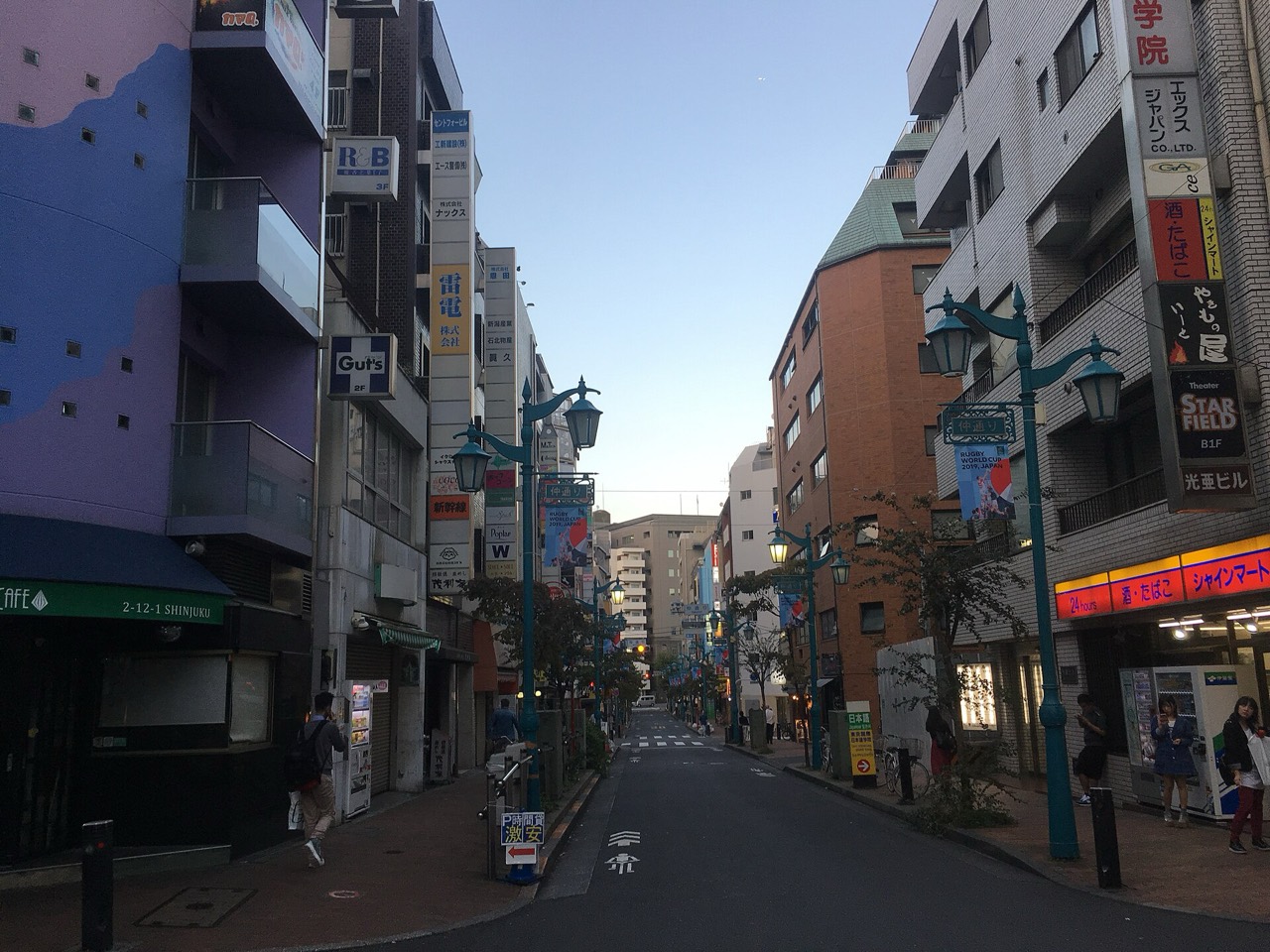
Every gay traveller working an Asia route eventually has to answer the Tokyo question, and the answer is yes. Shinjuku Ni-chōme (新宿二丁目) packs more than two hundred queer venues into a grid you can walk end-to-end in six minutes — the densest gay district on earth, never mind Asia. Nothing on the Chinese mainland, and honestly nothing in Europe, works quite like it: not a strip of megaclubs but a coral reef of tiny bars, most seating a dozen people, each with its own obsession — karaoke, leather, rugby, Showa-era pop, drag, whisky — stacked four storeys high behind doorways the width of a vending machine.
For readers of this site, Tokyo is the natural bookend to a China trip: three and a half hours from Shanghai or Beijing, no firewall, no VPN gymnastics, Grindr working in the arrivals hall, and a scene that runs on visibility rather than discretion. It’s also a different sport entirely — where a Chengdu night is one glorious room, a Ni-chōme night is twelve rooms, two hundred yen of vending-machine coffee between them, and a 5am bowl of ramen at the end. This guide covers how the district actually works (including the member-bar etiquette that trips up first-timers), the saunas, the practical machinery, and how to pair it all with the mainland — checked against the venues’ own sites and current listings as of July 2026. The short version with the map lives on our Tokyo city hub.
Being gay in Tokyo: the questions everyone asks
Is Tokyo actually gay-friendly?
Very — in Tokyo’s own particular register. There’s no menace and no legal cloud: the scene is old, open, mapped on Google and written up in the tourist board’s own literature. What surprises first-timers is that Japanese friendliness is quiet. You won’t see much hand-holding on the Yamanote line, not because it’s risky but because public affection of any orientation is culturally muted. Inside Ni-chōme the volume goes up to eleven; outside it, Tokyo simply doesn’t stare at anyone. For a visitor that combination — total safety, low-key streets, riotous district — is close to ideal.
What’s the legal picture?
In motion, genuinely. Japan is still the only G7 country without national recognition of same-sex couples — but the courts have spent five years dismantling the status quo: most of the high courts that heard the “marriage for all” cases ruled the ban unconstitutional (Tokyo’s own high court bucked the trend in November 2025, deepening the split), and in March 2026 the Supreme Court agreed to decide the question in its Grand Bench, with a ruling expected around 2027. Meanwhile the practical layer already exists: Tokyo has issued metropolitan partnership certificates since November 2022, most other big prefectures followed, and none of it affects visitors day-to-day. You will never be asked to explain a shared bed in Japan.
Where should I base myself?
Shinjuku, no debate — ideally the eastern side, so Ni-chōme is a stumble rather than a taxi. The last trains leave around midnight and the district doesn’t peak until after eleven, so sleeping within walking distance is worth more here than in any other city in this series. Shibuya is the stylish second choice (fifteen minutes away, its own small cluster of bars); anywhere on the JR Yamanote loop works for the daytime city. Tokyo hotel rooms are famously small and famously honest about it — and a same-sex double is a complete non-event everywhere from capsule to Park Hyatt.
Do the apps work? Which ones matter?
Everything works, no VPN, no workarounds — a genuinely disorienting pleasure if you’ve just come from behind the firewall. Grindr is busy and tourist-tolerant; 9monsters, the home-grown app with its Tamagotchi-like “breeding” mechanic, is where a huge share of local men actually live — worth installing for a week for the anthropology alone; Tinder and Scruff fill the gaps. Profiles are more discreet than Western norms (torsos, cartoon avatars) — same discretion instinct as China, minus the political layer.
When should I come?
Any time works — the district never closes — but two calendar notes matter. Tokyo Pride now runs in early June (it moved from its old April slot in 2025 and dropped the “Rainbow” from its name): the 2026 edition drew roughly 274,000 people to Yoyogi Park with a three-kilometre parade through Harajuku and Shibuya — Asia’s biggest Pride after Taipei, and the one week Ni-chōme strains at the seams. And late October brings Halloween, which Japan celebrates with terrifying commitment. Cherry-blossom season (late March–early April) is the most beautiful and most crowded compromise.
How does it compare with the China scene?
Different species. The mainland concentrates its energy into a few big rooms — a Butterfly, a Destination — where everything happens under one roof; Tokyo atomises it into hundreds of micro-bars where the unit of the night is the conversation, not the show. China’s scene is discreet outside and euphoric inside; Tokyo’s is simply… open, and has been for generations (Ni-chōme’s gay history runs back to the 1950s). Costs land similar: cheap drinks, expensive taxis. The full comparison — including which suits which traveller — is in our China vs Japan guide; the short answer is do both, and our best gay cities in Asia ranking explains where each fits.
How Ni-chōme works (read this before you go)
The district is a five-minute walk east of Shinjuku-sanchōme station (Marunouchi/Fukutoshin lines, exit C8) or fifteen from Shinjuku station itself. The spine is Naka-dōri, a two-block lane where the open-fronted standing bars spill their crowds onto the pavement on warm weekends — the closest thing Asia has to a permanent street party.
Understand the two-tier structure and the whole district opens up:
Tier one: the standing bars and clubs. A dozen bigger venues — open frontage, English-speaking staff, no membership pretensions — built for exactly you. Start here. They’re listed below, they’re all within 200 metres of each other, and between them they’ll happily eat your whole first night.
Tier two: the member bars. The other 180-odd venues are tiny — six to fifteen seats, a master or mama behind the counter, a theme, a karaoke machine and a devoted clientele. Many charge a seat fee (¥1,000–2,000, usually with a drink or snacks — it’s rent, not a scam); a few post members only or Japanese only at the door. Read that sign as capacity-and-language logistics rather than hostility — an eight-seat bar where nobody speaks English genuinely can’t host a party of four tourists. The move: go with a local or a new friend from tier one, let them pick the door, and you’ll have the best night of your trip singing Showa-era ballads with strangers. Alone and unsure? An open door, a visible price list and a nod from the master mean you’re welcome.
Every venue below is pinned on the Tokyo hub map.
The circuit: where to actually start
AiiRO CAFE is the front door of gay Tokyo — the corner bar under the little rainbow torii gate on Naka-dōri (the same beloved corner that spent years as Advocates Cafe, its former name). No cover, drinks around ¥700, an all-you-can-drink beer deal for about ¥1,000 between 6 and 9pm, and a crowd that abandons the tiny interior for the street by 9. Weekends add drag and go-go moments. Every Ni-chōme friendship starts within ten metres of this torii; start yours there too.
Arty Farty and its sister room The Annex, a minute apart, are the dance floors — a Ni-chōme institution since 1993, pop-and-J-pop driven, packed and sweaty from midnight, with a weekend cover around ¥1,000 that includes a drink and gets you into both rooms. The crowd is the district’s most international, the staff are drag-adjacent and delightful, and it runs to 5am on weekends. Unpretentious in the best way.
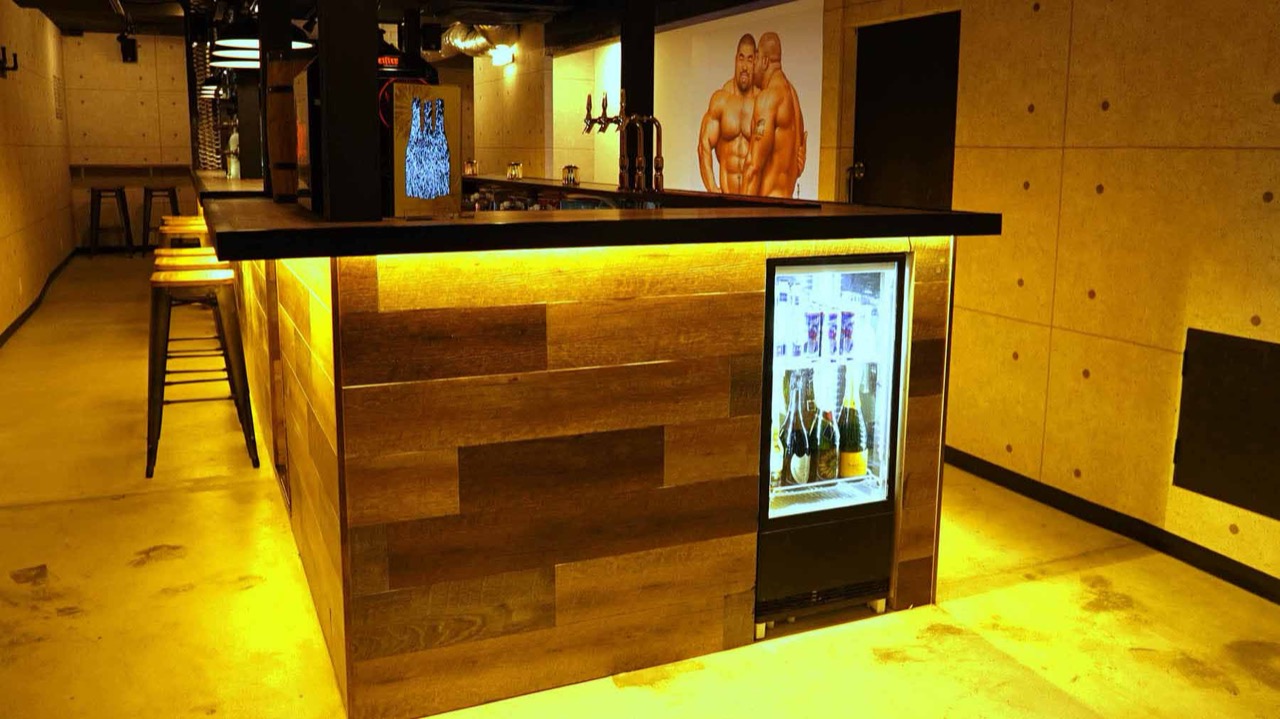
Dragon Men is the glossy one — a proper bar-club hybrid with a lounge window onto the street, DJs, nightly go-go dancers and a generous early happy hour, legendary with visitors since the late nineties and still the easiest place in the district to lose three hours. Open to 6am Fridays and Saturdays. Eagle Tokyo, around the corner, is the handsome Brooklyn-style shot bar of the district’s biggest bar group — warm lighting, a Tom-of-Finland-flavoured mural, English-friendly staff and no cover; its sibling Eagle Blue handles the harder-partying, more bearish end of the brand. And AiSOTOPE Lounge is the district’s event engine — a two-floor club that hosts the drag revues, circuit-adjacent parties and themed nights that don’t fit anywhere smaller; check its calendar before you pick your weekend. For drag with its tongue furthest in cheek, Campy! bar — run by the drag queen Bourbonne — is the loud, glittery counter-argument to every quiet member bar in the district.
A Ni-chōme Saturday, hour by hour
How the night actually assembles itself, for calibration:
7pm — dinner in Shinjuku-sanchōme (the izakaya lanes between the station and the district are excellent and cheap), or straight to AiiRO for the tail end of the ¥1,000 all-you-can-drink window. The district at this hour is locals catching up after work; nobody is performing yet.
9pm — the pavement outside AiiRO reaches critical mass and becomes the street party. This is prime friend-making time: the crowd is loose, mixed and chatty, and a convenience-store chu-hai in hand marks you as someone who’s read the manual. Warm evenings, this alone is the night.
10:30pm — split by temperament. Talkers drift to Eagle Tokyo’s handsome bar room or get adopted into a member bar by their new friends (say yes — this is the whole point of the district). Dancers hold out for the floors.
Midnight — decision o’clock: the last trains leave. Those staying commit to Arty Farty and the Annex (one cover, two rooms, floor filling fast) or Dragon Men’s go-go show; event nights put AiSOTOPE on the map instead — check its calendar in advance.
3am — the floors peak and thin. The initiated drift two blocks to 24 Kaikan Shinjuku for a soak (and whatever else), which conveniently doubles as the cheapest bed in Shinjuku.
5am — first trains. Ramen first: the 24-hour counters on the district’s edge exist precisely for this congregation. Nobody on the Yamanote line at 5:20am on a Sunday is judging anybody.
For the girls
Ni-chōme’s women’s scene is small but real, and it has an anchor with few equals anywhere: Goldfinger, pouring since 1991 under founder Chiga Ogawa — neon, sequin chandeliers, free popcorn, communal karaoke and a genuine institution’s warmth. It’s open to everyone most nights, goes women-only on Saturdays, and throws its bigger women-only Gold Finger Party on the third Saturday of the month at AiSOTOPE Lounge. A handful of smaller women’s bars cluster in the same blocks — ask at Goldfinger, which functions as the scene’s information desk.
The night-out playbook
Respect the train clock. Last trains leave Shinjuku around midnight and don’t resume until ~5am; taxis home are ¥3,000–8,000. The two classic strategies: sleep walkable to the district, or commit to the full 5am arc and take the first train home with the rest of the survivors. There is no shame — and excellent ramen — either way.
Carry cash. Tokyo at large is card-and-contactless now, but Ni-chōme’s small bars run on yen notes. ¥10,000 covers a big night. Seat charges (¥1,000–2,000) appear on bills in small bars — again: rent, not a rip-off. Nobody tips, ever.
Pre-game like a local. The 7-Eleven and Lawson on the district’s edge double as the world’s cheapest cocktail bars — street drinking is legal, and warm evenings turn the pavement outside AiiRO into one big shared terrace. Buy a chu-hai, join the crowd, and your first conversation will find you.
Mind the camera. Same rule as the mainland, softer stakes: plenty of patrons aren’t out at work, and Japanese venues take photo etiquette seriously. Shoot the torii, not the crowd.
Learn two words. Sumimasen (excuse me) and kanpai (cheers) will carry you through 90% of the district; karaoke enthusiasm carries the rest. English levels at tier-one bars are fine; at member bars, charm beats vocabulary.
Saunas: the 24 Kaikan trilogy
Tokyo’s bathhouse scene is the healthiest in this entire series, and it wears one name: 24 Kaikan (24会館), a trio of 24-hour gay sauna-hotels that have run for decades and remain fully open as of 2026. Shinjuku is the flagship — eight floors two blocks from Ni-chōme (2-13-1 Shinjuku), with baths, steam, jacuzzi, a rooftop deck, cabins and rest floors, entry around ¥3,300–3,900 and overnight stays that undercut capsule hotels. Ueno skews older, stockier and bearish — gym, restaurant and all — and is known as the most foreigner-welcoming of the three; Asakusa is the worn, friendly original, which hands non-Japanese guests laminated English instruction sheets at the door. Bring your passport (occasionally checked), follow the wash-first ritual scrupulously, and note the happy anomaly: the gay saunas are far more relaxed about tattoos than Japan’s mainstream onsen, where ink can still mean a polite refusal. First bathhouse anywhere? The rituals differ from China’s but our bathhouse etiquette primer covers the universal parts: shower like you mean it, consent is a conversation, phones stay in the locker.
Events & the queer calendar
Unlike the mainland, Tokyo’s calendar is published, punctual and safe to plan a trip around:
Tokyo Pride — early June, Yoyogi Park (moved from April and renamed in 2025). The 2026 edition drew ~274,000 with a three-kilometre parade through Harajuku and Shibuya; the festival is free, corporate-friendly by day and increasingly political at the edges. Ni-chōme that weekend is the busiest you will ever see it — book beds months out.
Rainbow Reel Tokyo — Japan’s longest-running queer film festival (three decades and counting), screening each summer across Shibuya venues; the 2026 edition split across late June and mid-July. Subtitled programmes make it genuinely visitor-friendly.
Department H — the first Saturday of every month at Tokyo Kinema Club in Uguisudani: the city’s legendary fetish-and-freak cabaret, running since the 1980s — drag, latex, body art and performance in a gorgeous old theatre. Not exclusively gay, entirely extraordinary, and very much a look-don’t-grab culture; photography is controlled at the door.
Monthly fixtures — Goldfinger’s women-only party (third Saturdays, at AiSOTOPE), AiSOTOPE’s rotating drag and circuit-adjacent nights, and the seasonal blowouts every club runs for Halloween — which Tokyo celebrates like a second New Year.
Where to stay
Base decisions, in one paragraph: east Shinjuku puts you five walking minutes from the district — the mid-range towers along Yasukuni-dōri and the Granbell/APA tier around Kabukichō are the practical picks, and what you lose in room size you gain every night at 3am. Shibuya trades a train ride for better daytime style. Capsules and 24 Kaikan itself cover the budget end honestly; at the top, Tokyo’s luxury hotels are as gay-comfortable as anywhere on earth (the Park Hyatt’s bar remains the city’s best-dressed sunset). Book small, book early — Tokyo sells out on weekends year-round, and Pride week in early June sells out months ahead. Same-sex bookings raise precisely zero eyebrows anywhere in the hotel system; the one historical exception, love hotels, has improved sharply but policies still vary door to door — treat them as a curiosity rather than a plan.
Daytime Tokyo, between nights
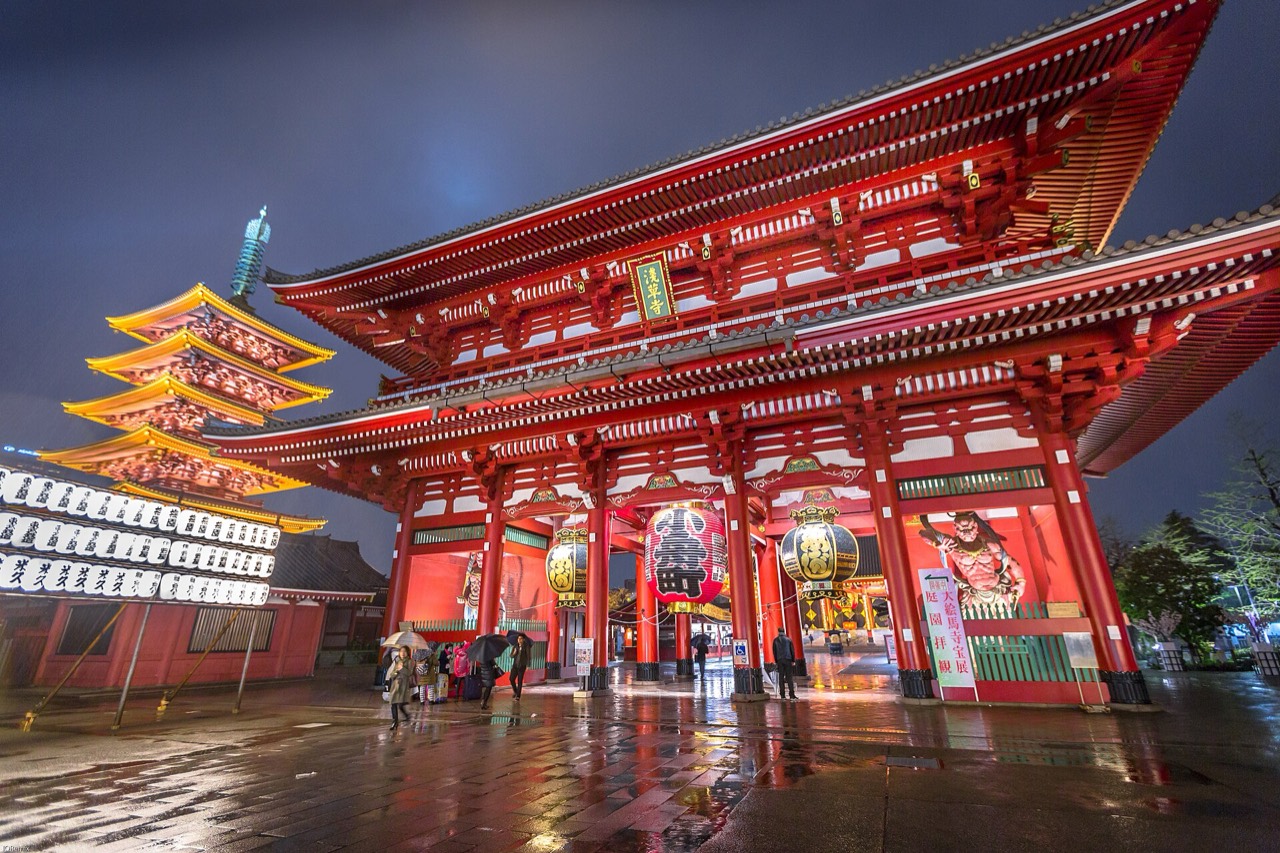
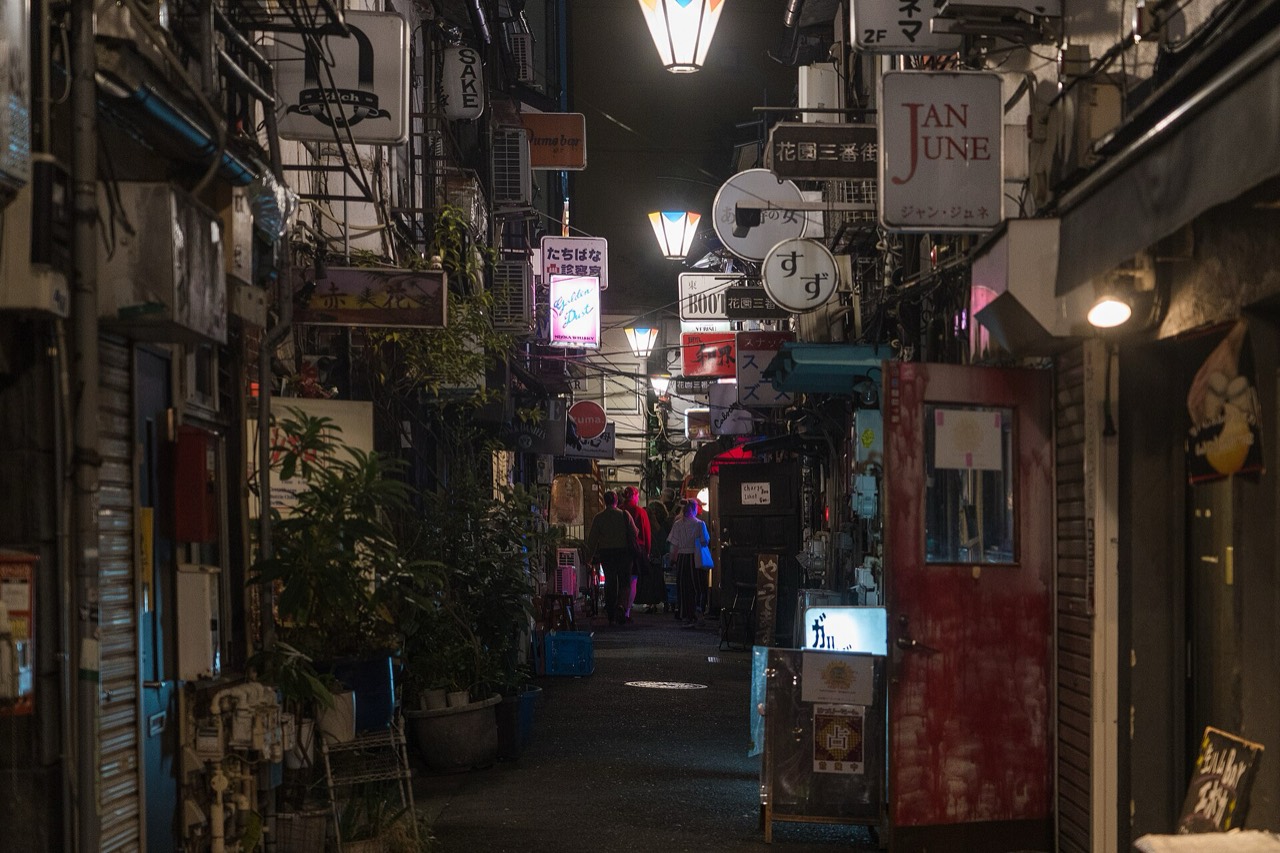
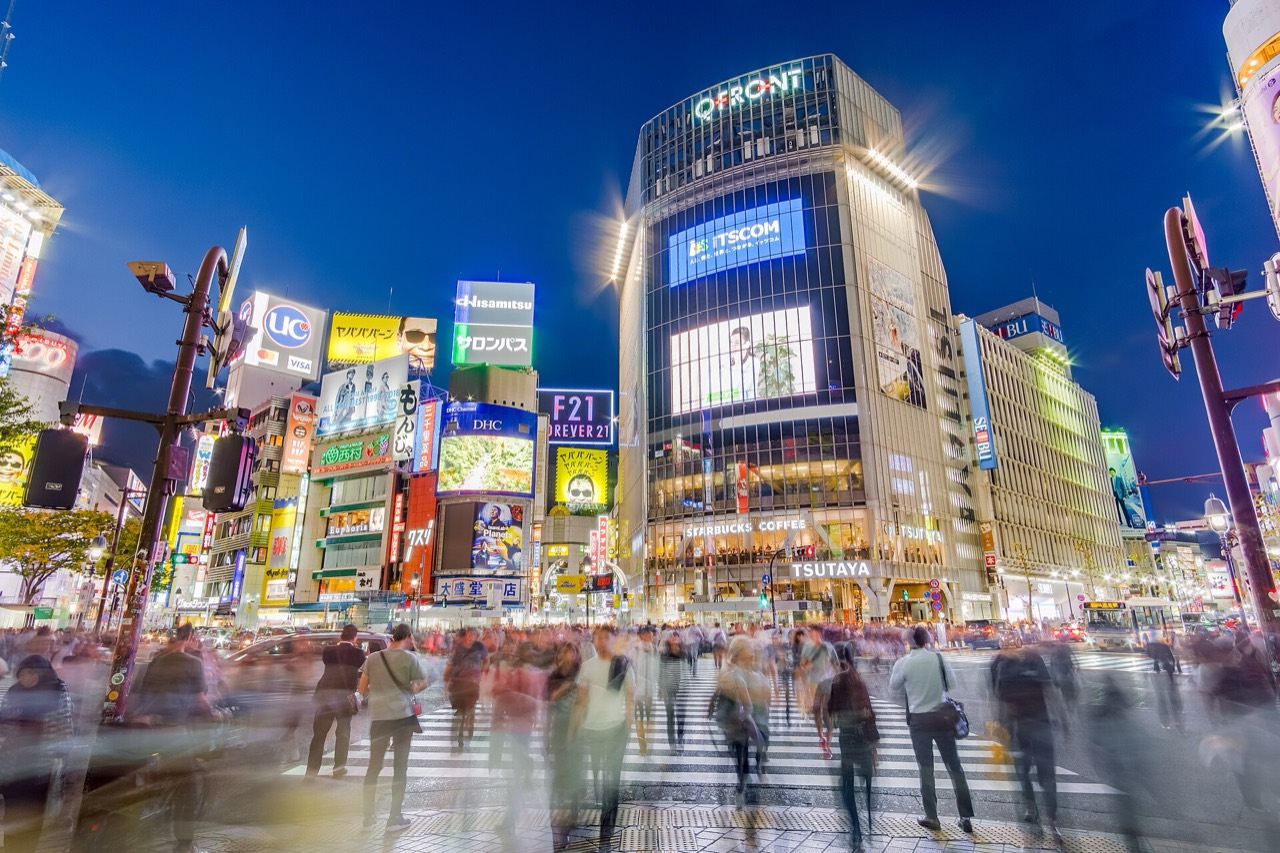
The hangover-proof classics: Sensō-ji in Asakusa at 7am, before the tour groups, when the incense and the pigeons have the place to themselves (conveniently near the Asakusa 24 Kaikan, make of that what you will); the Meiji Shrine forest, which swallows Harajuku’s noise whole; and the Shibuya Scramble, best watched twice — once from inside the crossing, once from above with a coffee. Book teamLab Planets (Toyosu) days ahead — wading barefoot through mirrored water while hungover is a spiritual experience we can neither fully endorse nor deny. Golden Gai, ten minutes from Ni-chōme, runs the same tiny-bar format without the rainbow — do it as a pre-district warm-up. And Shinjuku Gyōen, two blocks from the gay district, is the city’s best picnic lawn and its gentlest hangover cure.
Two pairings worth engineering: Ueno stacks Tokyo’s best museums (the Tokyo National Museum alone earns half a day), a fine park and — two streets away — the bearish Ueno 24 Kaikan, making it the rare neighbourhood that covers both your culture and your steam quota. And Harajuku–Omotesandō runs the fashion gamut from teen chaos to flagship polish in one twenty-minute walk that ends at the Meiji forest — do it Sunday morning while the club kids sleep.
Eat like Tokyo wants you to eat
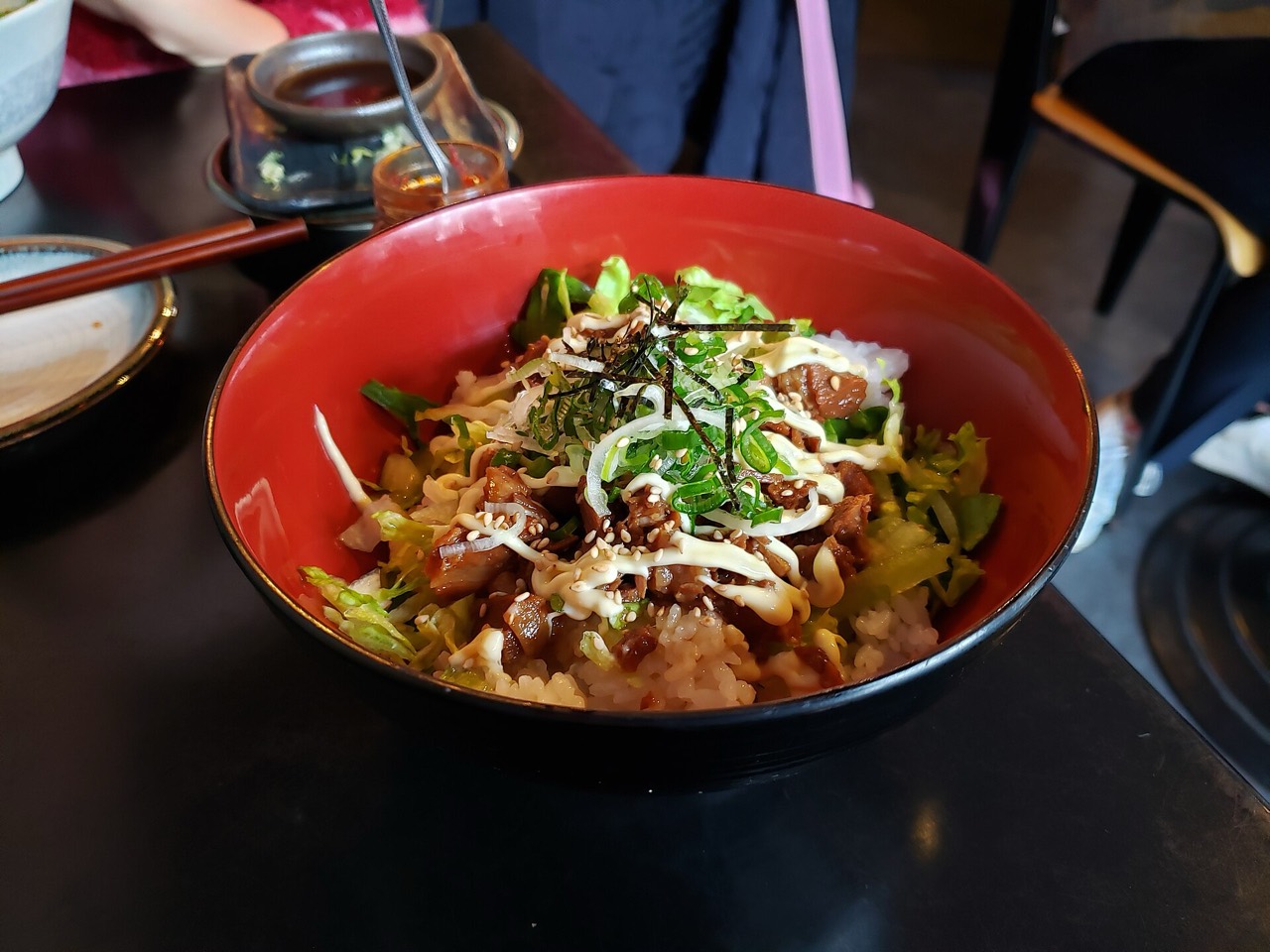
Tokyo has more Michelin stars than Paris and the world’s best ¥1,000 lunches, and the trick is knowing both are true. The non-negotiables: a proper ramen at the counter (the 5am post-Ni-chōme bowl is a rite of passage — the district’s edges are ringed with 24-hour shops); a morning at a depachika food hall (Isetan Shinjuku’s basement is walking distance from the district and frankly better than most museums); conveyor sushi done cheap and standing izakaya done loud; and one splurge omakase booked ahead if the budget allows. Convenience-store food — onigiri, egg sandos, fried chicken — is genuinely good and completely respectable at any hour, a sentence we could never write about any other country.
Day trips & the Fuji question
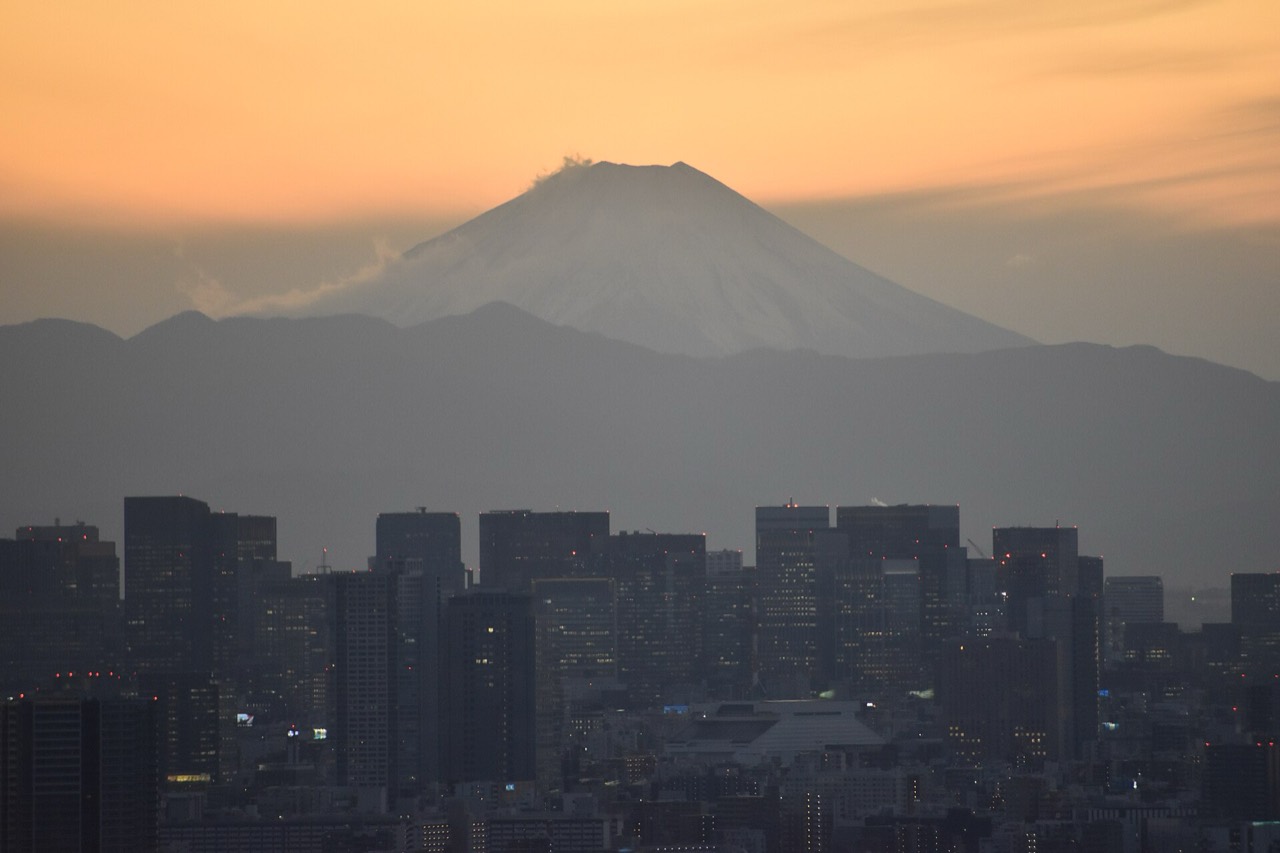
Hakone (85 minutes on the Romancecar) is the classic loop — onsen, ropeway, pirate ship, Fuji views if the mountain is in the mood; remember the tattoo caveat and book a private bath if you’re inked. Kawaguchiko gets you closer to Fuji itself; Kamakura does Great Buddha, hydrangeas and surf-town ease an hour south; Nikko does baroque shrines in cedar forest. All are honest day trips on a rail pass. And if the route continues west — Kyoto, Osaka’s Dōyama scene — the shinkansen makes it a two-hour decision.
Pairing Tokyo with China
The route logic writes itself: Tokyo sits three to four hours’ flight from every city in our China series, and the two systems complement each other almost comically well. Our suggested shape: land in Tokyo to decompress (open internet, effortless transit, the district), then into the mainland for the Chengdu–Shanghai arc where the adventure lives — or the reverse, finishing in Tokyo as the soft landing after two weeks of Blued and bathhouse hunting. Practicalities: most Western passports enter Japan visa-free for 90 days while China needs the visa-free-transit maths; flights Shanghai–Tokyo run constantly and cheaply; and your China eSIM almost certainly covers Japan too. The full two-country playbook is in the itinerary guide and China vs Japan.
TL;DR: the practical machinery

Getting in: Haneda (HND) beats Narita (NRT) by 40 minutes of your life each way — pick flights accordingly. Most Western passports: 90 days visa-free, no paperwork beyond the QR arrival form.
Getting around: a Suica/Pasmo card in your phone wallet handles every train, bus, vending machine and convenience store in the country. The Yamanote loop plus the Marunouchi line covers this entire guide; ride-hailing (GO, Uber) exists but trains beat it until they stop at midnight.
Money: cards and contactless are near-universal now — except in the tiny bars where you’ll spend your best hours, so carry cash (7-Eleven ATMs take every foreign card). No tipping, anywhere, ever.
Connectivity: open internet, cheap eSIMs, every app works. After the mainland it feels like a magic trick.
Safety: Tokyo is arguably the safest megacity on earth, and Ni-chōme one of its safest corners. The single real nightlife hazard — tout-driven bar scams — lives in Kabukichō, not the gay district; decline street invitations there and you’re immune. Earthquakes are the background risk locals shrug at: note your hotel’s assembly point and shrug accordingly.
Budget: comparable to a mainland trip once the flight lands — ¥700 bar drinks, ¥1,000 lunches, ¥3,500 saunas, with hotels the one line where Tokyo charges more for less square meterage. Full numbers in what a gay Asia trip costs.
The bottom line
Chengdu gives you the room; Tokyo gives you the reef. Two hundred doors, each hiding eight seats, a karaoke queue and somebody’s life’s work — a scene built not for spectacle but for belonging, one conversation at a time, running quietly since before most Pride flags were sewn. Come after China and it feels like exhaling; come before and it sets the bar impossibly, wonderfully high. Either way: start under the rainbow torii, say yes to the karaoke, make the last train or gloriously miss it. Ni-chōme has been waiting for you for seventy years.


