
The 8D city, and why queer travellers keep missing it
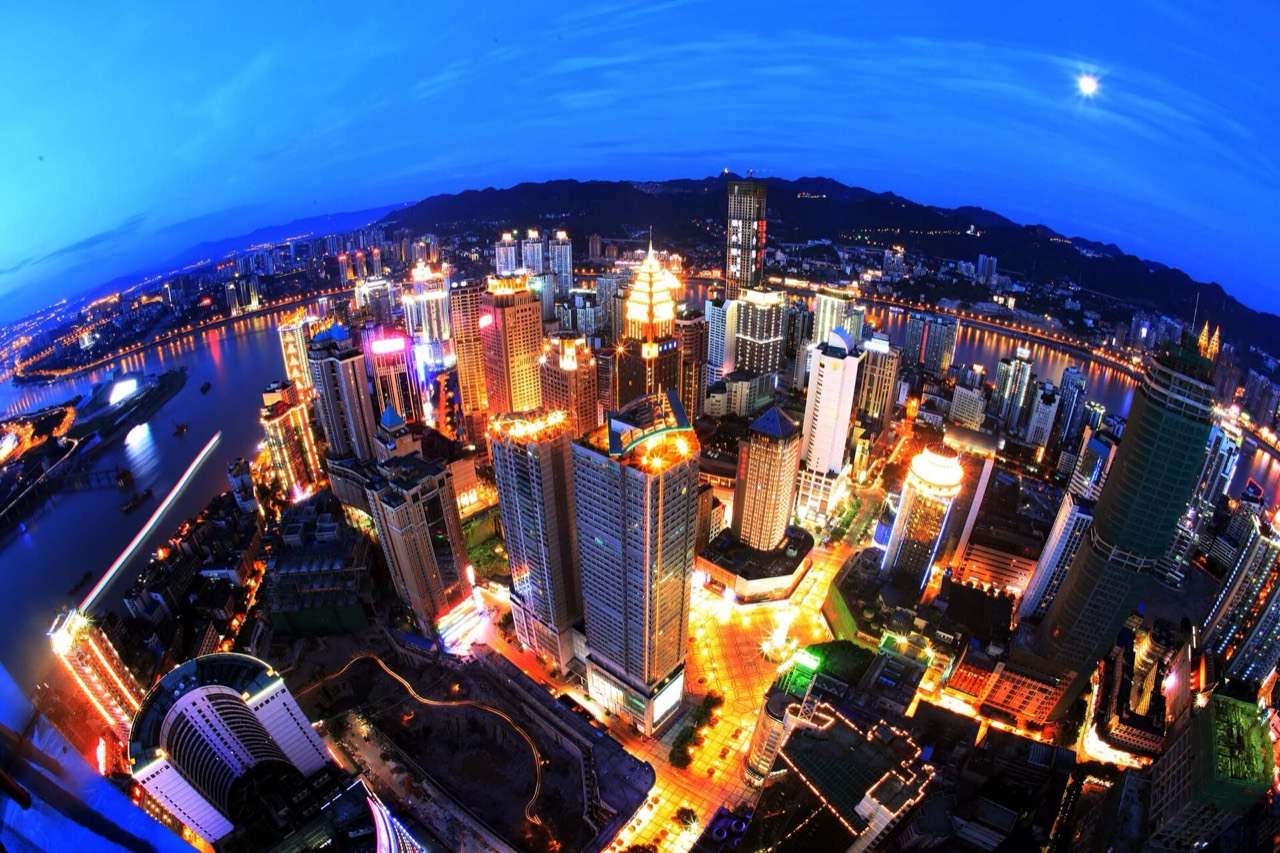
Chongqing is the most cinematic city in China and it isn’t particularly close: thirty million people stacked up a mountainside where the Yangtze meets the Jialing, monorails punching through apartment blocks, staircases that turn out to be streets, a skyline that looks better in fog than most cities look in sunshine. Locals call it the 8D city because maps simply give up here — the front door of your hotel can be on the 1st floor and the 14th at the same time.
What almost nobody tells you is that it has a gay night out worth planning around. Not a scene like Chengdu’s — its glamorous big sister is one hour away by bullet train and drains some of the wattage — but a real one: a proper gay club with drag and a devoted crowd, a second dance floor run by a familiar name from Chengdu, China’s first community-run rainbow hostel, and an app grid as dense as the buildings. This guide is the honest version, checked against Chinese platforms and current listings as of July 2026. The short version with the map lives on our Chongqing hub.
Being gay in Chongqing: the questions everyone asks
Is Chongqing gay-friendly?
In the standard mainland way, yes — with a hot-blooded local twist. Chongqing people are famously direct (the local stereotype is that Chengdu flirts while Chongqing states its intentions), the city is enormous and anonymous, and nobody at your hotel, hotpot table or club door cares who you came with. The frame we use across China applies unchanged: discretion in public, freedom inside the room — no Pride, no rainbow street, no legal recognition, and no danger to visitors either. The full legal-and-safety picture is in our China safety explainer.
Is there actually a scene, or just apps?
Both, honestly weighted. There is one dedicated gay club (The Loop, three nights a week — details below), a gay-run dance floor in Guanyinqiao (Pose Club, from the same family as Chengdu’s), a roving drag collective (Miguru 咪咕噜), and One Star, the rainbow hostel that functions as the community’s living room. Everything else — parties, bathhouse whispers, half the dating pool — lives on Blued and WeChat. Chongqing rewards travellers who set the apps up before they land; our apps guide covers the how.
Chengdu or Chongqing — which one do I pick?
If you only have a weekend for gay nightlife, Chengdu, no contest — its scene is China’s biggest and its clubs run seven nights. But that’s the wrong framing for a trip: the two cities are 62–90 minutes apart by high-speed rail and they’re better as a pair than as rivals. Chongqing wins on spectacle (no city in China photographs like this), on food (fight us, Chengdu), and on the particular pleasure of a small scene where a foreign face is an event. The classic move: weekend in Chengdu for the clubs, midweek in Chongqing for the city itself plus a Loop Wednesday.
What are the apps, and do they work?
Blued (international version: HeeSay) is the local standard and very busy here; Grindr and all Western apps are blocked on local networks, which a travel eSIM solves without any VPN fiddling. One Chongqing-specific note: distances lie. The grid will show someone “400m away” who is 400 metres away vertically. Confirm which level of the city you’re each on before anyone starts walking.
Are there any events?
Nothing on posters — this is the mainland — but two things worth tracking: The Loop’s own calendar (its big nights cluster on Fridays, Saturdays and public holidays, announced on WeChat), and Miguru (咪咕噜), the city’s drag collective, which stages shows at changing venues announced days ahead on Xiaohongshu and WeChat. The hostel’s notice board — game nights, group dinners, weekend hikes — is the daytime social calendar. Treat all of it the way locals do: follow the accounts, stay flexible.
Is it safe to be out and about at 3am?
Chongqing at 3am is mostly people eating noodles. Street crime against foreigners is vanishingly rare, the centre is lit and busy late, and your genuine risks are the ones the city is famous for: chilli oil, staircases after four beers, and taxi drivers who treat the mountain roads as a rally stage. Didi works perfectly and is the answer to the last one.
Where the scene lives: gay Chongqing’s geography
A beat of context first, because it explains the city’s temperament: Chongqing was China’s wartime capital in the 1940s, swollen by refugees from every province, and it has been a city of migrants, docks and stairs ever since — direct, unpretentious, allergic to airs. That’s the personality the scene inherits: less fashion-show than Chengdu, quicker to pull a stranger into the table. Three coordinates cover the map:
Yuzhong peninsula (渝中) — Jiefangbei and The Loop. The tip of the rock between the two rivers is downtown proper: the Jiefangbei pedestrian core, the cliffside lanterns of Hongyadong, and — a few minutes’ walk away on Minsheng Road — the city’s one dedicated gay club. Base yourself here: you can walk home from the club through streets that never quite go to sleep.
Guanyinqiao (观音桥), Jiangbei — the second pole. Twenty minutes north across the river, Guanyinqiao is the young-Chongqing shopping district — and the gay scene’s second address: Pose Club is here, the city’s bathhouse rumours have historically pointed here, and the mainstream Jiujie (九街, “Nine Street”) club strip nearby is where every long night eventually washes up, queer ones included. Not a gay district; the district where gay nights happen.
Liangjiang New Area — the hostel. Further north on Metro Line 6 (Huangnibang station), One Star Rainbow Hostel sits in an ordinary residential compound — which is rather the point. It’s not a nightlife address; it’s where the community actually hangs out in daylight.
Every pin is on the interactive map on our Chongqing hub.
The Loop: three nights a week, and worth planning around
The Loop (民生路235号, Yuzhong — ten minutes’ walk from Jiefangbei) is Chongqing’s gay club, singular, and it wears the responsibility well. The formula is the good one: a dark dance floor, drag and dancer shows, a DJ who reads the room, and a crowd that spans students to forty-somethings with almost no tourists in it — visiting foreigners are rare enough to be interesting, and "第一次来重庆" (first time in Chongqing) will do the rest.
The mechanics, verified against 2026 listings: open Wednesday, Friday, Saturday and public holidays only — plan your itinerary around this, because a Tuesday shows up dark. Entry runs ¥100 including two drinks; tables start around ¥680 and are booked over WeChat (@cq_loop — Mandarin or a translation app required). Doors mean little before 11pm; the shows and the peak land after midnight. The house style is refreshingly analogue: phones stay mostly in pockets, and the room is fully in the moment in a way bigger scenes have lost. Go Friday or Saturday for the full production; go Wednesday to actually talk to people.
Pose Club (建新西路13号, Guanyinqiao, Jiangbei) is the second dance floor — run by the same family as Chengdu’s beloved Pose, and it shows: cheap drinks, themed nights, a layout built for meeting people rather than watching a stage. It’s the friendlier, scrappier room, and the right first stop if the Loop’s show-night energy sounds like a lot. Check its Dianping page for the current week — small mainland venues shift their programming fast, so treat hours as “confirm on the night”.
After either, do as locals do and drift to Jiujie (九街), Jiangbei’s mainstream nightlife strip — not gay, but young, loose, open until morning and entirely unbothered; the after-party usually ends in a plastic stool and a bowl of noodles somewhere nearby. House rules for all of it — toasting, promoters, photography — are in our nightlife etiquette guide.
The night-out playbook
Mechanics that make a Chongqing night cheaper and smoother:
Plan around the Loop’s short week. Wednesday, Friday, Saturday, public holidays — that’s the whole calendar. If your itinerary has you in town Sunday to Tuesday, shift a day or accept a Pose-and-Jiujie night instead. Public holidays are sleeper picks: the club opens, the out-of-towners are in, and the energy is weekend-grade.
Work Meituan and Dianping before you order. Same rule as everywhere on the mainland: the group-buy apps (美团 / 大众点评) list drink vouchers and set deals for clubs, hotpot and KTV at a fraction of walk-in prices. No Chinese number? Screenshot the deal and show the bar — staff usually honour or match it.
Tables are optional theatre. The Loop’s ¥680-and-up tables buy you a base and a bottle, booked over WeChat in Mandarin. As a traveller you don’t need one: the ¥100 door already includes two drinks, and the standing floor is where the room actually mixes. If a local table waves you over — Chongqing tables adopt strangers freely — accept, toast, and let them order.
Time it local. Dinner at 8, drinks at 10, club at 11:30, show after midnight, noodles at 3. Arriving at 10pm gets you an empty room and a confused bartender.
Getting home: Didi, always. The metro shuts around 11pm and the hills make walking home a false economy. Didi is door-to-door, a few pounds across the centre, and entirely normal at 4am. Paste your hotel’s Chinese address into the app before you go out (set-up guide), and carry a phone photo of your passport — the only door that needs the real thing is your hotel’s.
Respect the no-camera mood. The Loop’s crowd keeps phones down and faces off feeds — many regulars aren’t out beyond that room. Shoot the stage if you must, never the floor. The full etiquette rundown is in the nightlife etiquette guide.
One Star: the hostel that doubles as the scene’s living room
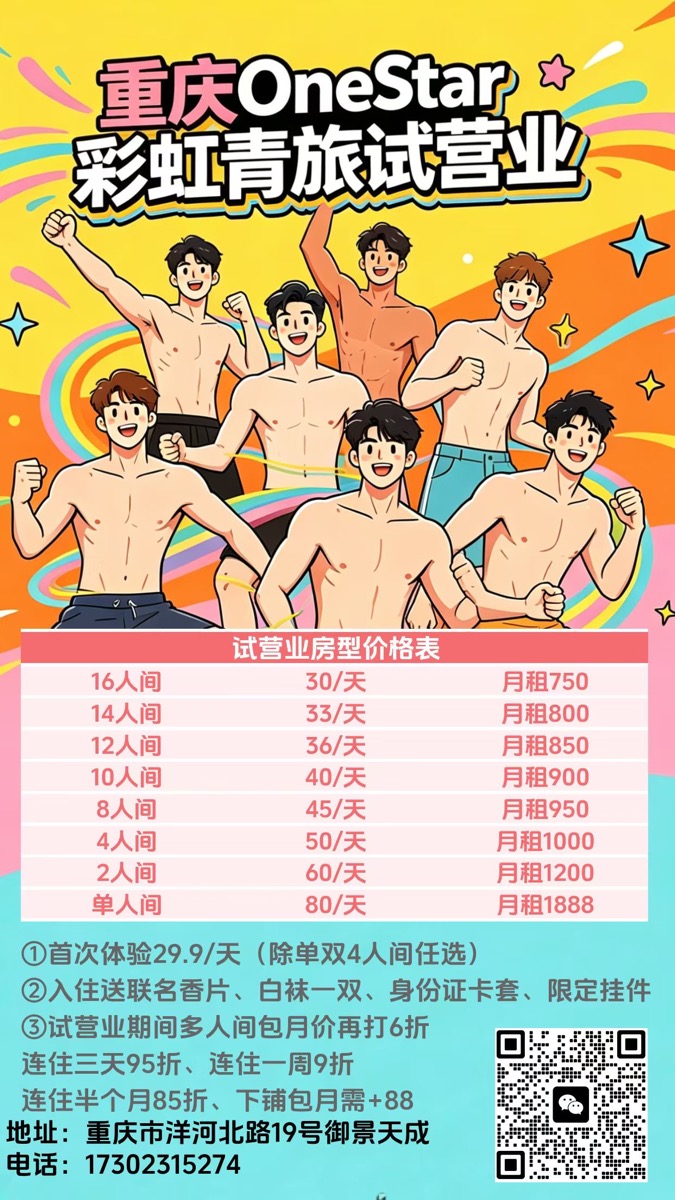
Chongqing has something no other Chinese city does: One Star Rainbow Youth Hostel (壹颗星彩虹青旅), the mainland’s first community-run gay-friendly hostel — three floors and ~120 beds in the Liangjiang New Area, walkable from Huangnibang on Line 6. The bed is the excuse; the point is the 200m² common lounge running board-game nights, karaoke, group dinners and weekend hikes, plus a rooftop garden with the hills beyond. By the venue’s own posted rates, dorm beds start around ¥30 a night (singles ~¥80), which makes it the cheapest social entry point to any scene in China.
Two honest calibrations. One: it’s a fair way north of the nightlife — treat it as a community stop or a budget base, not a stumble-home-from-the-Loop address. Two: it’s young, informal and Chinese-speaking first; go with hostel energy and you’ll be adopted by Saturday. The fuller story is in our One Star feature and the male-only & community hostels guide. If your budget runs to hotels instead, same-sex bookings are a non-issue citywide — the Chongqing hotels guide ranks the options by area; the short answer is stay on the Yuzhong peninsula, as central as money allows.
Saunas: whispers, not listings
The straight answer, because it saves a wasted crossing of a very vertical city: Chongqing has no verifiable gay sauna to send you to in 2026. Community trip reports from 2022 describe a working bathhouse high in a Guanyinqiao tower — entry under ¥100, open through the night, the full regional format — but nothing about it can be confirmed today, and venues of that kind move, rename or vanish faster than any listing can track. If the scene has a current address, Blued will tell you within an evening; ask, don’t trek. Mainstream alternatives scratch the adjacent itch honestly — hotel spas at the top end, and the city’s public hot-spring culture (Chongqing sits on thermal seams; several big bath complexes are metro-accessible). First time in any Chinese bathhouse, gay or otherwise: read the etiquette guide first, and see the regional saunas guide for the cities where we can print names.
Daytime Chongqing: the best urban theatre in China
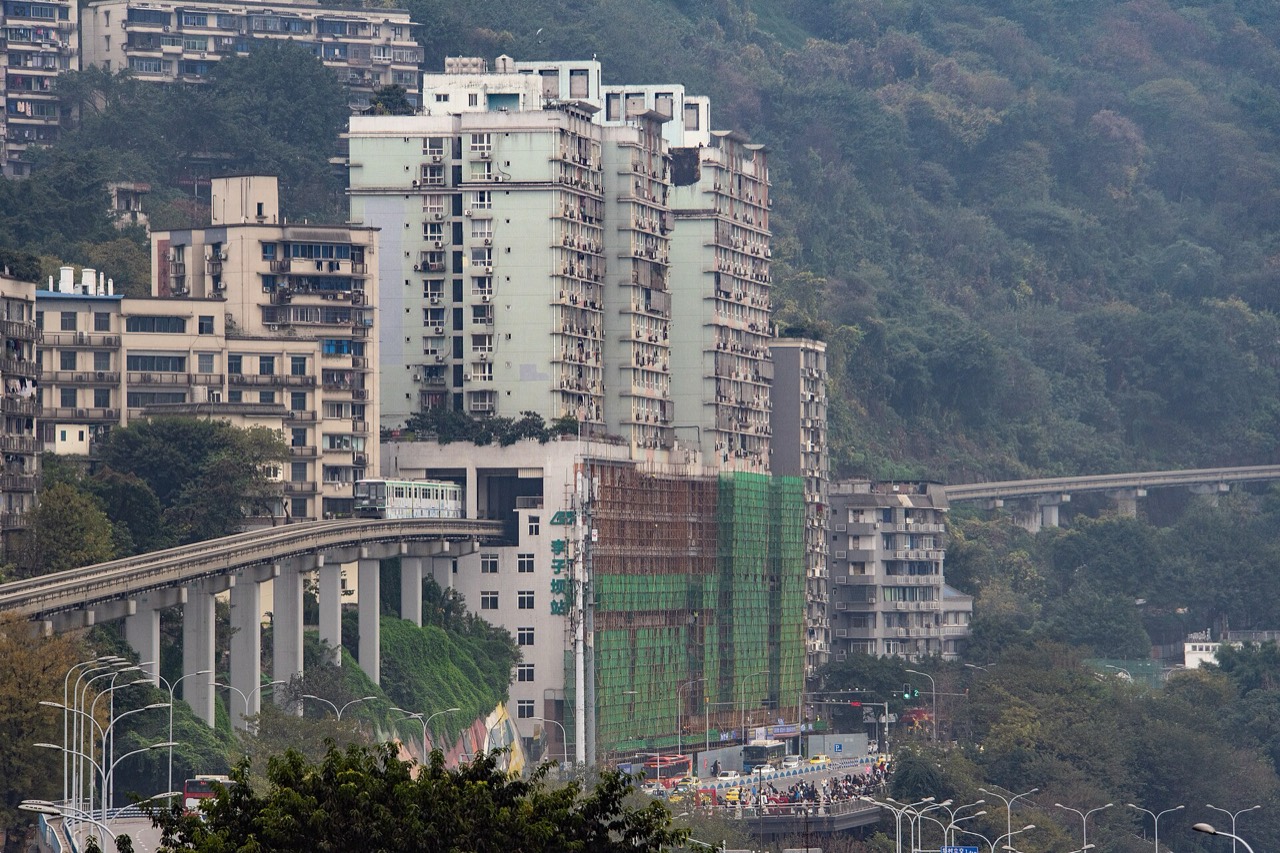
Ride Line 2 like an attraction, because it is one. The monorail hugs the Jialing cliffside for kilometres, and at Liziba it passes clean through the middle of a 19-storey apartment block — there’s a viewing platform at street level for the shot everyone came for. Stay aboard to the end of the peninsula views and call it the cheapest scenic railway in China.
Do Hongyadong twice. The cliffside stack of lantern-lit pavilions is a crush inside — go once for the snacks, then cross Qiansimen Bridge to the Jiangbei bank for the view that actually matters: the whole golden cliff reflected in the river. Best from blue hour onwards.
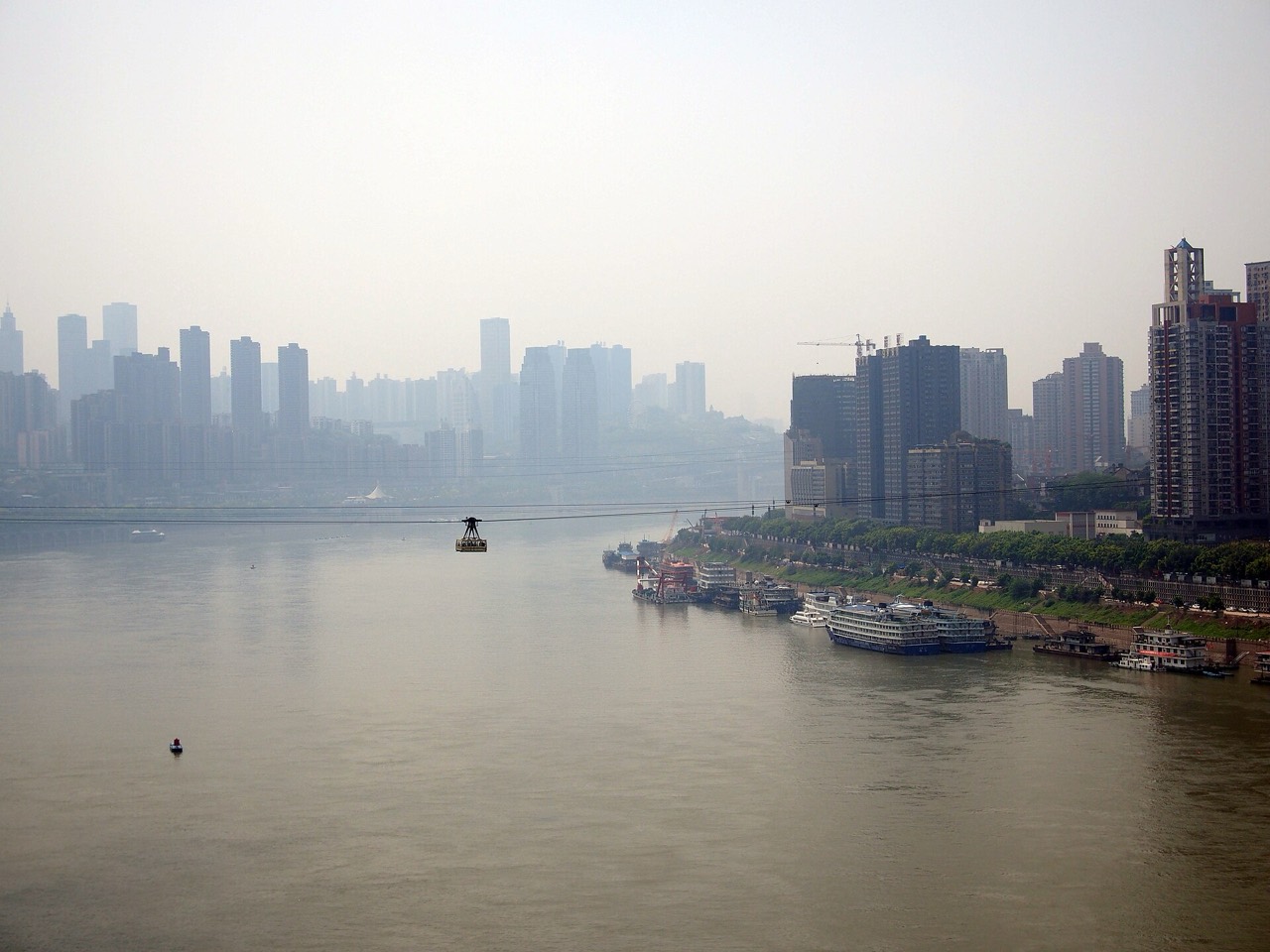
Cross the Yangtze by cable car. The Yangtze River Cableway (长江索道) has been swinging commuters over the brown water since 1987 and is now pure cinema — ride it to Nan’an at dusk, walk the riverside, and look back at the peninsula lighting up. Queue midweek or early.
Climb something. Eling Park’s Kuixing Tower footbridge is the classic 8D photo (a “ground floor” that’s 22 storeys above the road below); next door, the Testbed 2 (鹅岭二厂) creative park fills an old printing works with studios, coffee and the city’s arts kids — the closest thing daytime Chongqing has to a queer-adjacent hangout. Ciqikou, the restored porthouse old town, is heaving by noon; go before 9am with a breakfast agenda, or skip guiltlessly.
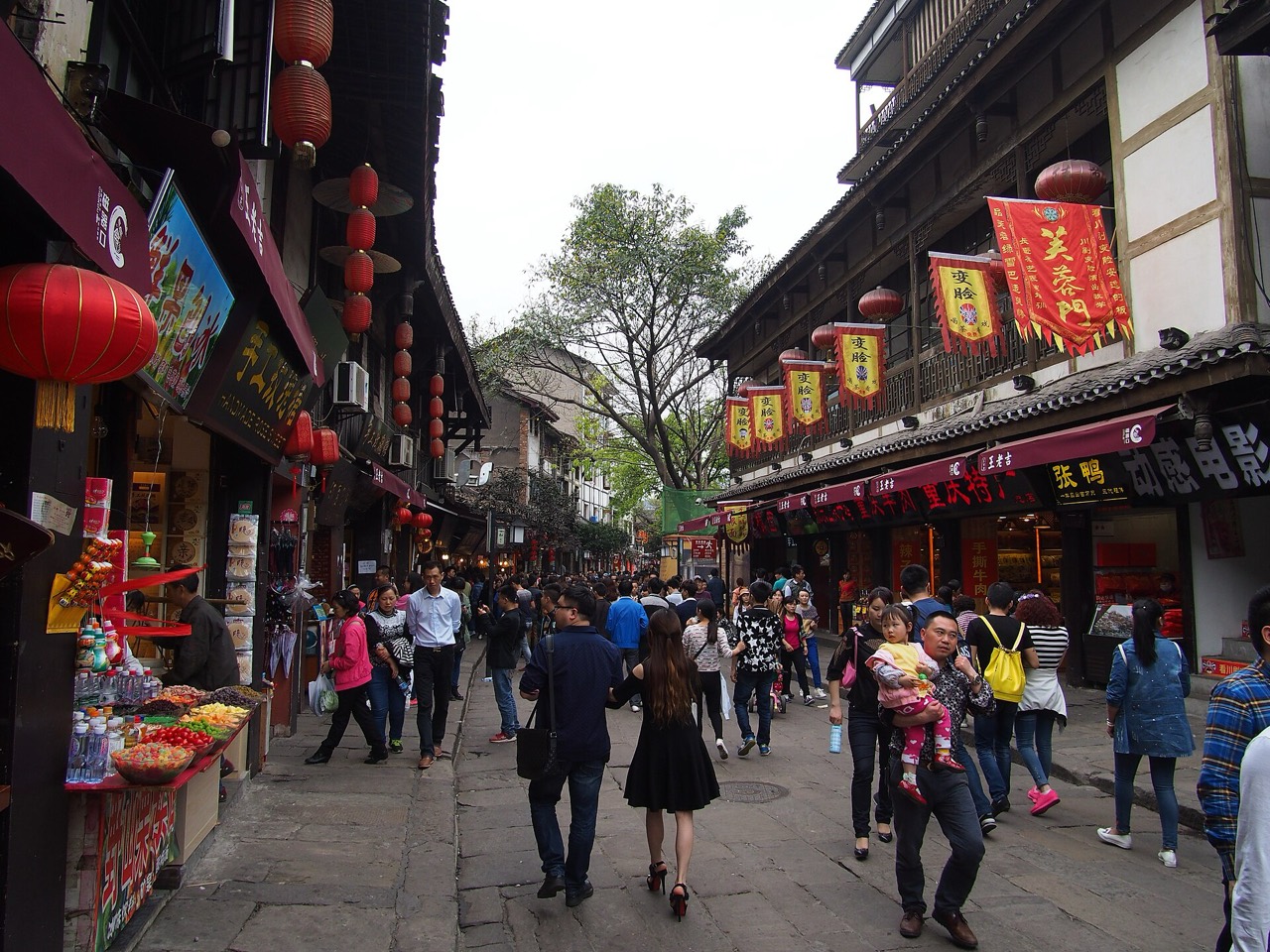
Walk the peninsula’s spine to Chaotianmen. The tip of the rock, where the green Jialing visibly refuses to mix with the brown Yangtze, is now crowned by the sail-shaped Raffles City megastructure — its skybridge observation deck (The Crystal) gives the one aerial view that makes the 8D city legible. Come at sunset, watch the rivers argue, then take the escalators down into the old dock streets that survived beneath.
Cross to Nanshan for the postcard. The One Tree Hill (一棵树) and Nanshan viewing platforms on the south bank own the classic full-skyline panorama — clearest on autumn evenings, moodiest in fog, and conveniently paired with the South Mountain hotpot terraces on the way down.
And give the fog its due. Chongqing’s reputation for haze is real from November to February — but this is the one city where that improves things: neon in fog is the whole aesthetic. Photographers should pray for a damp evening.
Eat like Chongqing is trying to hurt you (it isn’t, quite)
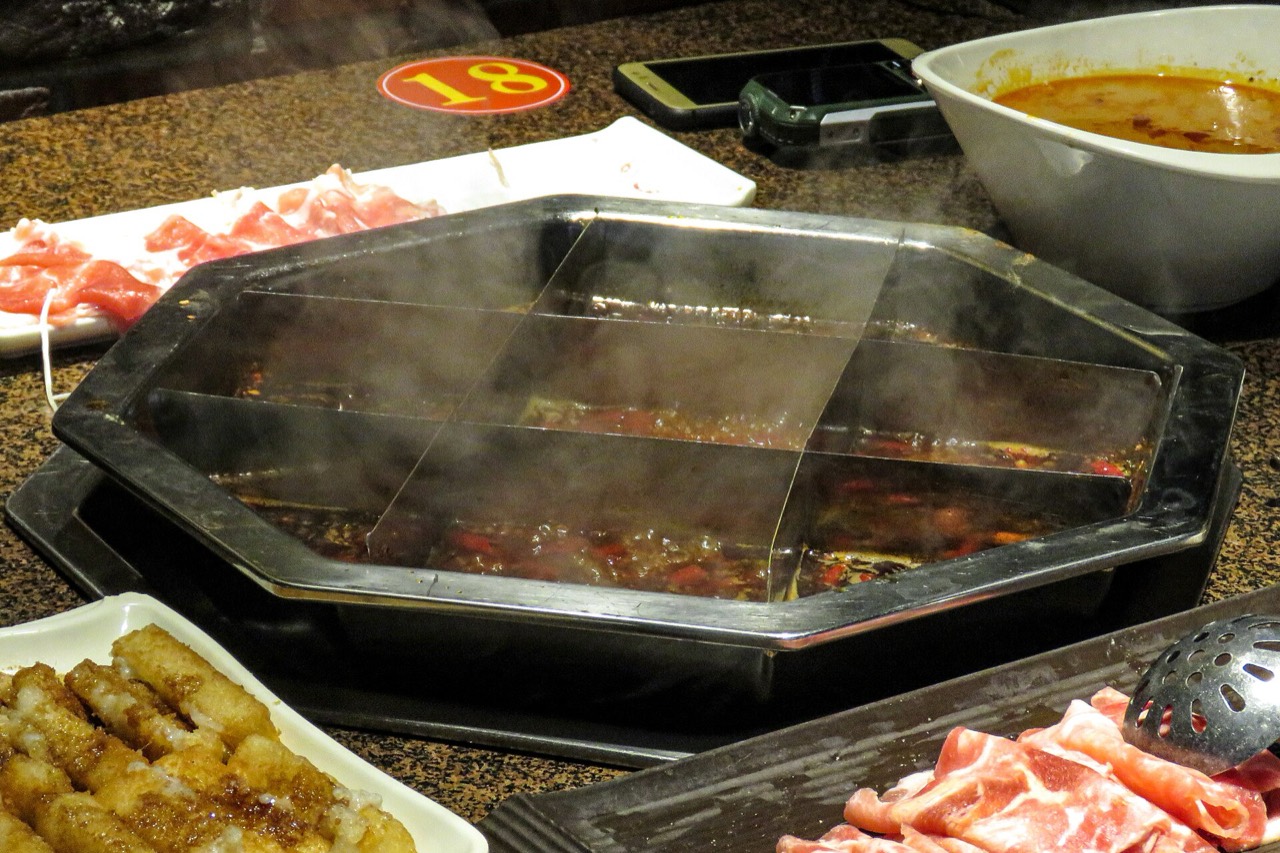
We’ll say it and accept the consequences: Chongqing beats Chengdu at hotpot. This is the birthplace — dockworker food, beef tallow, a nine-grid pot (九宫格) whose squares simmer at different intensities — and the local version is deeper, smokier and less polite than its Sichuan cousin. Order 微辣 (mild) your first night and mean it; the sesame-oil-and-garlic dish (油碟) is armour, not garnish. Beyond the pot: xiaomian (小面), the peppery breakfast noodle the city ranks in annual top-50 lists locals argue about like football; suanlafen, the hot-and-sour sweet-potato noodle; and Wanzhou grilled fish (万州烤鱼), the group-dinner move after a Loop night, since the fish restaurants run latest. Post-club at 3am, follow the plastic stools. Dish names in characters and the spice-survival kit live in the food guide.
Day trips: karst, Buddhas, and the big sister
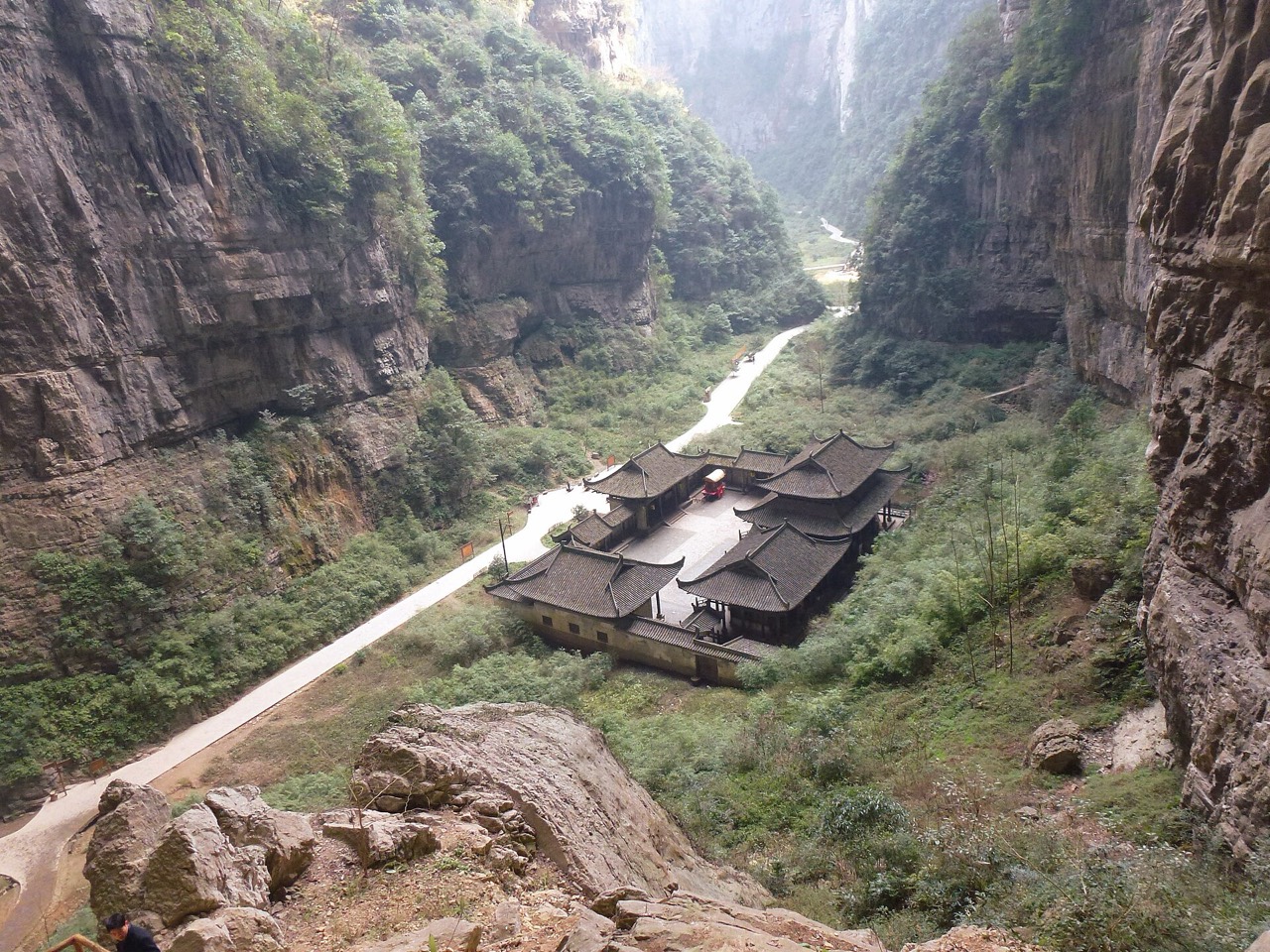
Wulong (武隆) is the headliner: the Three Natural Bridges, a karst gorge system so improbable Hollywood used it as an alien planet, about two hours out by train-plus-shuttle — a full day, worth it. Dazu (大足) holds a UNESCO gallery of thousand-year-old Buddhist cliff carvings an hour away, the thinking traveller’s pick. And Chengdu is 62–90 minutes by bullet train, which turns China’s best gay scene into your day-trip — or turns this whole city into Chengdu’s: our Chengdu flagship guide and the rail-circuit itinerary make the pairing easy. More options in the day-trips guide.
TL;DR: the practical machinery
Getting in and around
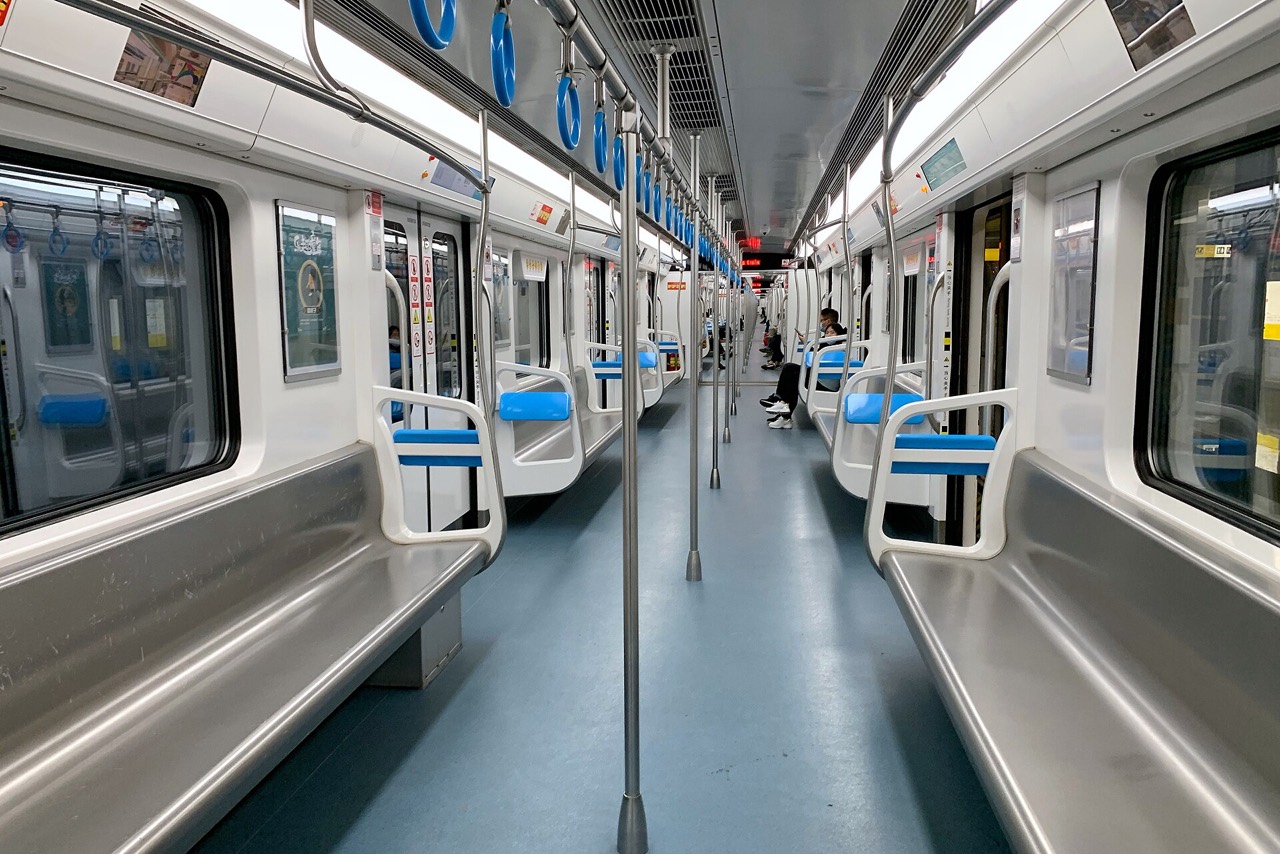
Jiangbei International (CKG) connects to Europe and most of Asia; Metro Lines 3 and 10 run straight downtown (40–50 minutes). Rail arrivals land at Chongqing West or Chongqingbei — both metro-connected. In town, the metro/monorail network plus Didi covers everything (set-up guide); wear real shoes, distrust map distances, and when in doubt take the lift the locals are taking. Visa picture: many passports now enter 30 days visa-free and most others qualify for 240-hour transit — check yours against the visa guide. First-night survival: your first 24 hours in China.
Money, phone, timing
Set up Alipay or WeChat Pay before you fly (payment guide) and a travel eSIM for the firewall. No tipping, anywhere. When to come: March–May and October–November are the kind months; summer is a famous furnace — 40°C is normal, the clubs are air-conditioned caves and the locals simply move life to midnight; winter is mild, foggy and, as above, secretly the photogenic season. Avoid Lunar New Year (holiday-crowd guide); seasonal detail in best time to visit China.
Safety & cost
One of the safest big cities you’ll ever wander at night; the LGBTQ+ texture is in the safety explainer and the numbers that matter are police 110 / ambulance 120 (emergency guide). Costs run below Chengdu’s, which already ran below everywhere: ¥100 covers the city’s only gay-club door with two drinks, dinner is ¥40 of noodles or ¥150 of hotpot excess, and a ¥30 dorm bed exists if you want it. Budget line-items in what a gay China trip costs; slot the city into a route with the two-week itinerary.
The bottom line
Chongqing will not out-party Chengdu, and it isn’t trying to. What it offers is rarer: the most dramatic city in China with a small, warm, genuinely local queer scene threaded through it — one great club that treats its three nights a week like occasions, a dance floor run by friends from Chengdu, a hostel where the community plays board games under a rooftop garden, and noodles at 3am with the fog coming off two rivers at once. Come for the skyline everyone photographs; stay because somebody at The Loop taught you the difference between 微辣 and regret. Then catch the morning train to Chengdu and let the sisters argue over you.


