
Why Chengdu is China’s queer capital
Every country has one city where the scene simply works. Spain has Madrid, Germany has Berlin, Thailand has Bangkok — and China, against most first-time visitors’ expectations, has Chengdu. Locals long ago nicknamed it “Gaydu”, and the name has stuck because it keeps earning itself: while the better-known scenes in Shanghai and Beijing have thinned out since 2020 — venues closing, promoters going quiet, everything a notch more cautious — Chengdu’s gay nightlife has done the opposite. In April 2026 the city opened a brand-new, high-production gay club a hundred feet from its most famous one. Nobody else on the mainland is building.
Some of that is geography — Sichuan is a long way from the political weather of the capital — but most of it is temperament. Chengdu is a city built around tea houses, mahjong tables and three-hour lunches; its whole personality is live and let live, and eat well while you’re at it. That tolerance isn’t a rainbow flag in a window (you won’t see one), it’s a shrug: nobody much cares who you came with. For queer Chinese people that shrug is precious, and for thirty years it has pulled them here from every province. For you, the visiting traveller, it means something simpler: this is the one Chinese city where the gay night out needs no asterisk.
This guide is the long version — everything we know about gay Chengdu in 2026, checked against Chinese platforms (Dianping, Meituan, Weibo, Baidu) as of July 2026: the clubs and the quieter bars, the lesbian rooms nobody writes about in English, the honest word on saunas, where to sleep, what to do with your hungover daylight hours, and the practical machinery of a China trip. For the short version with the venue map, keep our Chengdu city hub open in another tab.
Being gay in Chengdu: the questions everyone asks
Is Chengdu actually gay-friendly?
By mainland Chinese standards, unambiguously yes — it is the most relaxed city in the country to be visibly queer, and it isn’t close. There are multiple dedicated gay clubs running seven nights a week with drag on stage and a free door, a lesbian club that has traded for over a decade, and a crowd that will adopt a confused foreigner within one song. By international standards, calibrate: this is still China. There’s no Pride parade, no gaybourhood with flags, no kissing on the metro. The local mode is discretion in the street, freedom inside the room — and the rooms are genuinely free. If you’ve read our China LGBTQ+ safety explainer, Chengdu is that piece’s best-case scenario.
What’s the legal and political picture?
The same as the rest of China, so we’ll keep it short (the full explainer is here): homosexuality has been legal since 1997 and off the psychiatric-disorder list since 2001. There is no law against being gay, and no law protecting you either — no marriage, no nationwide anti-discrimination statute. Since around 2018 the space for organised LGBTQ+ life (NGOs, campus groups, public events) has narrowed nationally, and Chengdu hasn’t been exempt: its beloved queer techno club Funky Town closed in 2023, and community organisations keep a lower profile than they did a decade ago. What survives — and in Chengdu, thrives — is commercial queer nightlife and everyday social tolerance. For a visitor the practical translation is: discretion, not danger. Nobody is checking your phone for Grindr at the border, and no police officer cares that two men booked one bed.
Which part of town should I base myself in?
One answer, comfortably: Jinjiang District, the downtown grid around Chunxi Road (春熙路) and Dongdajie (东大街). Uniquely among Chinese cities, Chengdu’s gay clubs sit in the dead centre of town — The Butterfly and Monster House are on Dongdajie itself, the old “Golden Triangle” venues cluster by Dongmen Bridge two blocks north, and Chunxi Road’s shopping, food and metro interchange are a ten-minute walk. Stay anywhere in that polygon and you can walk home from the club through some of the safest late-night streets you’ll ever use. The secondary scene sits east in Chenghua District at the Future Center (Pose Club and Hunk Sky); it’s a 15-minute Didi between the two. Skip the High-tech Zone in the south unless a specific hotel is calling you — it’s all glass towers and a long taxi from everything in this guide.
What are the apps, and do they work?
The scene runs on Blued (小蓝), the Chinese gay app, as much as it runs on any physical venue — grids in central Chengdu are dense, and it doubles as the noticeboard for parties and for what’s actually open this month. It works without a VPN; overseas app stores now list the international version under the name HeeSay. Grindr and every Western app are blocked on Chinese wifi and local SIMs — the clean workaround is a travel eSIM, which routes your data outside the firewall so Grindr, Instagram and Google all behave normally. Full app rundown in our Blued & dating apps guide. One cultural note: plenty of local profiles are faceless torsos or landscape photos. That’s discretion, not disinterest — say hello anyway.
Are there any Pride events or festivals?
No public Pride — that era ended nationally around 2020, and Chengdu’s events now live inside the venues. Which, to be fair, programme hard: The Butterfly runs drag and stage shows every single night, Monster House stages its muscle-dancer revue and guest-host (一日店长) nights, Pose Club throws K-pop “random dance” parties at the weekend, and the lesbian club Queen Bee books live shows most Fridays and Saturdays. Treat Blued, the bar staff and the venues’ Dianping pages as your events calendar, and build one flexible night into any weekend stay — something is always on, it just isn’t on a poster in English.
What happened to Funky Town?
The gentlest heartbreak in this guide. Funky Town was Chengdu’s scrappy, beloved queer techno club by Jiuyanqiao — drag artists, ravers, skaters, kids working out who they were at 4am. It closed in August 2023 and the building was demolished; its last years became The Last Year of Darkness (2023), a documentary shot over five years and 125 nights that is, frankly, the best film ever made about queer nightlife in China. Watch it on the plane over and you’ll land already half in love with this city. Its spirit didn’t die, either — the same crowd resurfaces at Flat, at Hakka’s rooftop, and wherever the DJs moved on to.
Where the scene lives: gay Chengdu’s geography
Chengdu’s queer map is compact enough to learn in one evening, and it tells the scene’s whole thirty-year story in three stops along the Jin River:
Dongmen Bridge (东门大桥) — the old Golden Triangle. In the 2010s the corner where Dongdajie meets the river held three institutions wall-to-wall: MAX (the gay club), Queen Bee (蜂王, the lesbian club) and MC Space (the bar-sauna complex). Locals called it 金三角 — the Golden Triangle — and it made this unglamorous intersection the queerest hundred metres in western China. Remarkably, most of it is still there: Queen Bee still runs upstairs in the Oriental Times mall, MC Space still trades by the bridge, and MAX — by every listing we can find — still shares their block, though it’s the one we’d double-check on Blued before making a special trip. Metro Line 2 to Dongmen Bridge station puts you on the doorstep.
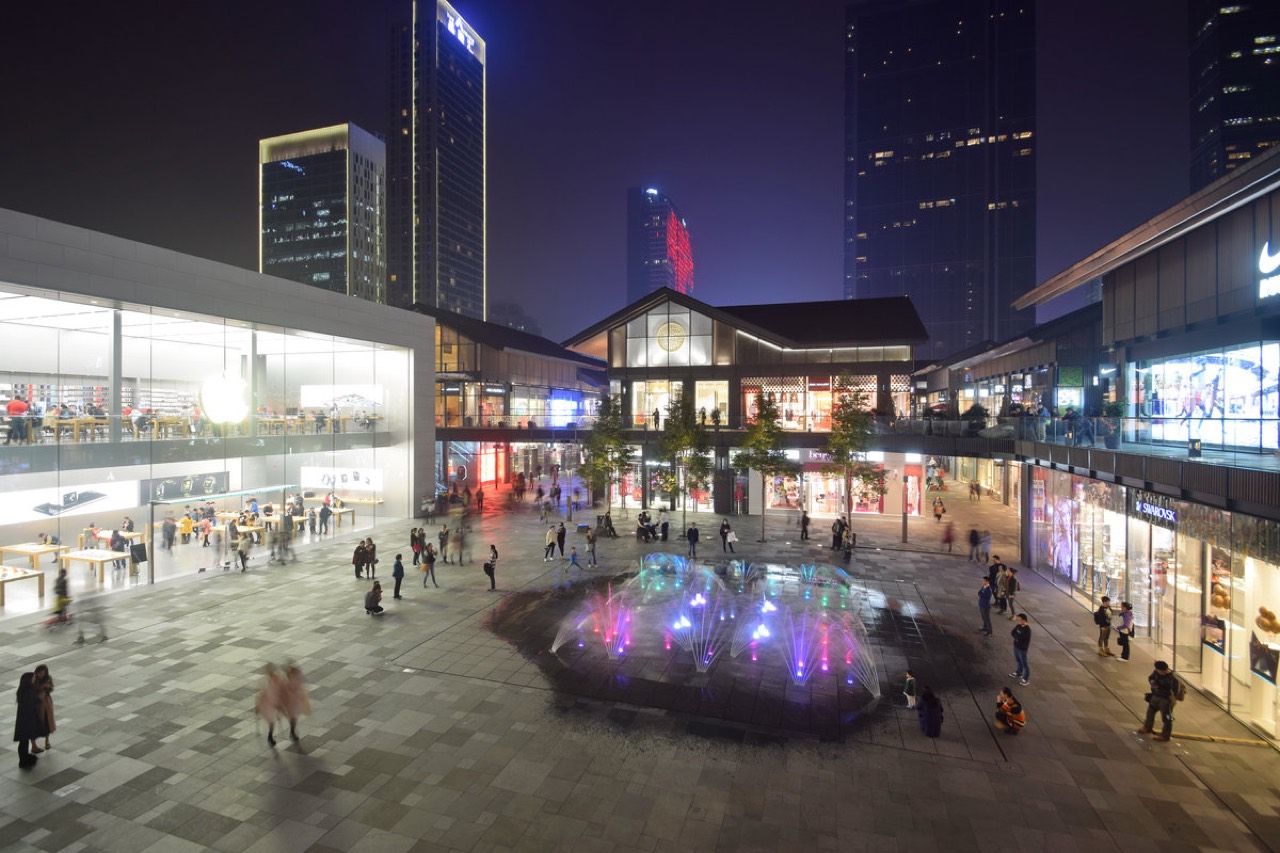
Dongdajie (东大街) — the new main stage. Walk five minutes south-west along the same road and you hit the current centre of gravity: The Butterfly at the Ruidong Centre and Monster House in the Jinronghui complex, a hundred feet apart. Two purpose-built gay clubs within shouting distance of each other, in the middle of the central business district — nowhere else in China comes close.
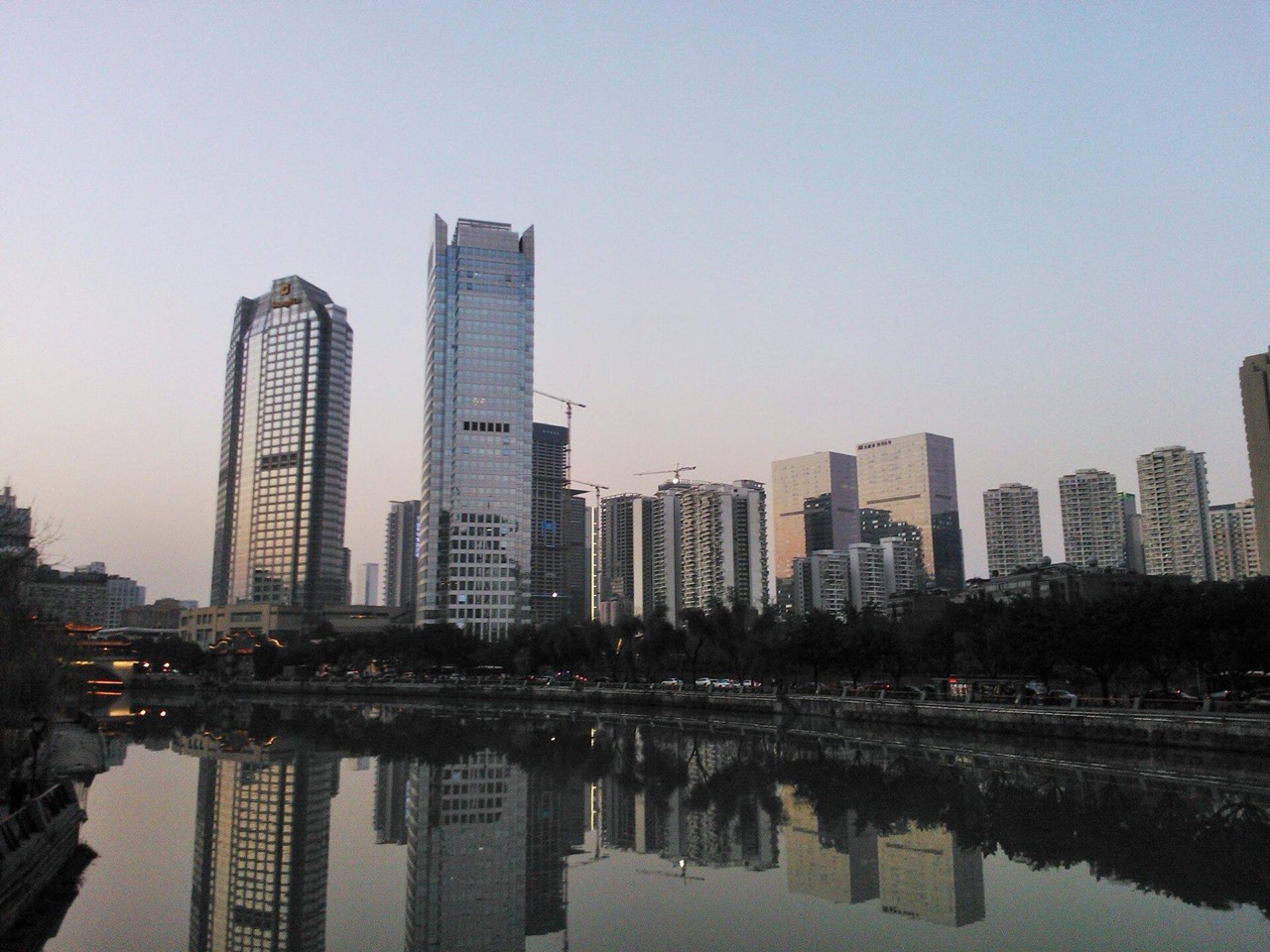
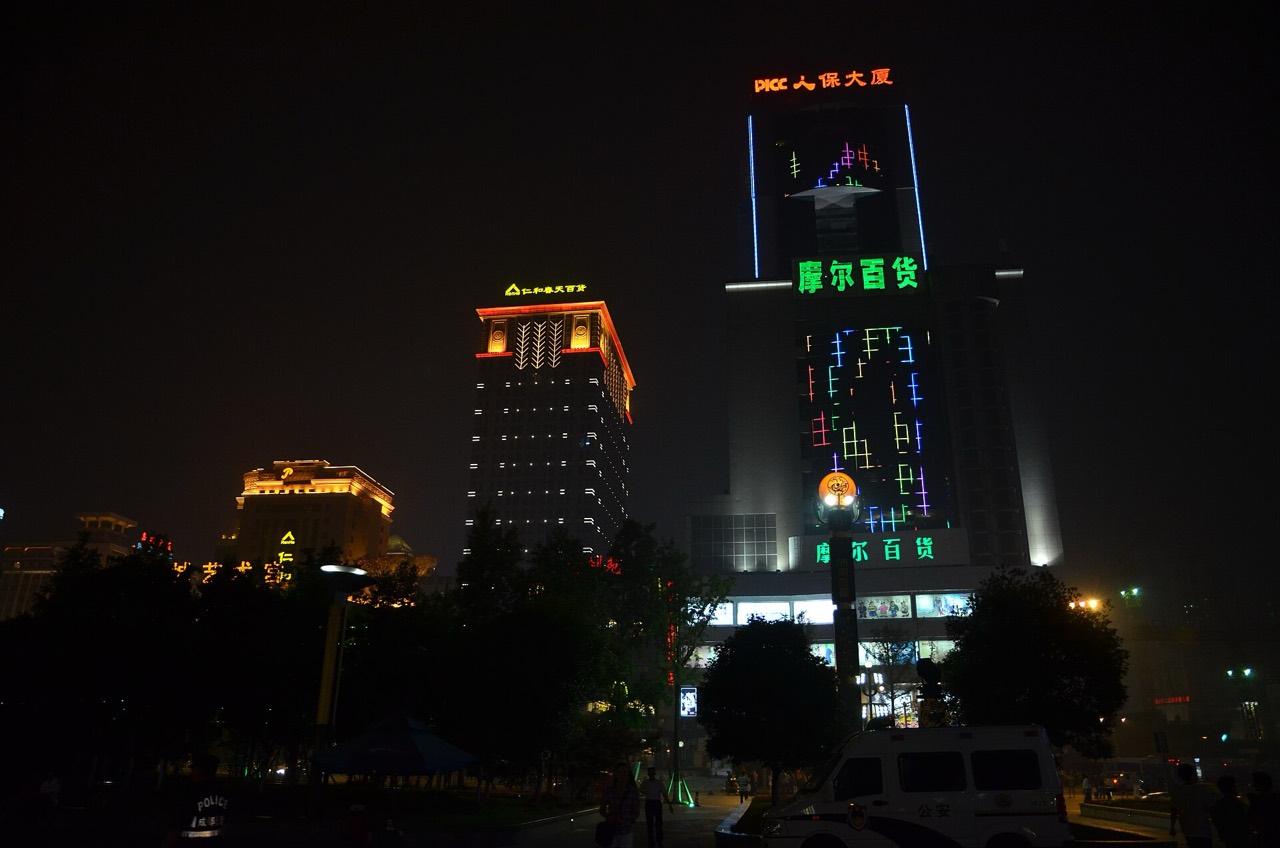
Jiuyanqiao & the Future Center — the satellites. Across the river, the Jiuyanqiao (九眼桥) strip and its Lan Kwai Fong complex are Chengdu’s mainstream party mile — not gay, but young, loose and queer-tolerant, with Revolucion the easiest room to drift into. Fifteen minutes north-east in Chenghua District, the fourth floor of the Future Center (未来中心) holds the Pose Club / Hunk Sky double act. And through all of it runs the river: the night view from Anshun Bridge, ten minutes’ walk from the clubs, is the one at the top of this page.
Every venue below is pinned on the interactive map on our Chengdu hub — load it once you’ve picked a hotel and see what’s within stumbling distance.
The gay clubs
The Butterfly (蝴蝶) — the legend
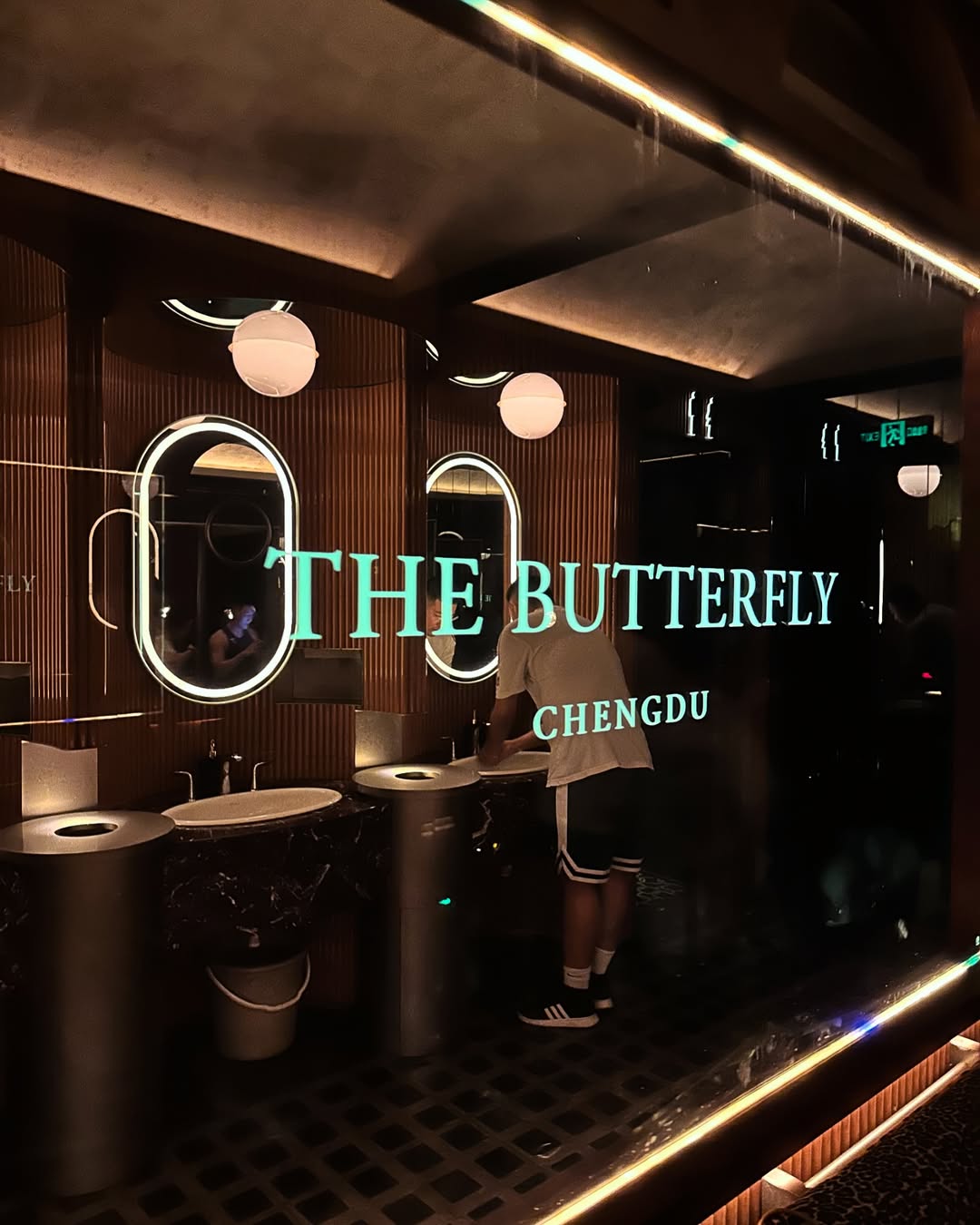
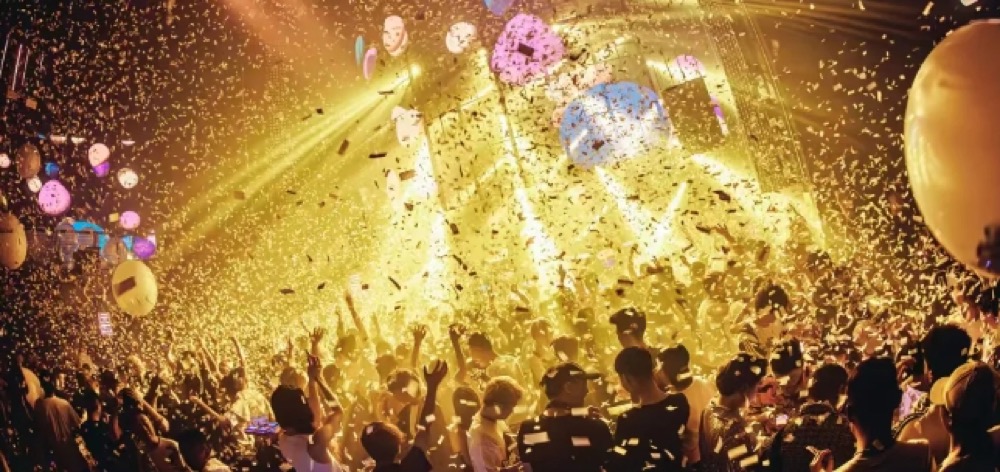
If mainland China has one gay club that justifies a flight, this is it. The Butterfly (full name: The Butterfly 多元娱乐综合空间, at 东大街下东大河段199号) is a multi-hall temple of drag, dance and spectacle that queer Chinese people genuinely travel across the country for — on a busy Saturday you’ll meet boys who flew in from Xi’an and Kunming for the weekend. Two halls run in parallel: the A hall for the big stage shows and pop, the R hall skewing younger and clubbier. Drag and production numbers land every night of the week, the door is free, and — rare for a Chinese mega-club — there’s no minimum spend at the standing areas any night, weekends included. Booking a table on Friday or Saturday works the Chinese way: through a promoter (营销) on WeChat, with quoted prices that reward a straight face and a counter-offer. The crowd is the whole ecosystem in one room — twinks in full looks, gym boys, bears (Chengdu is proudly bear country), drag fans, and a healthy scatter of straight girls having the best night of their month. Go after 11pm, stay for the midnight show. Our night-at-the-Butterfly story has the blow-by-blow.
Monster House (怪兽) — the new heavyweight
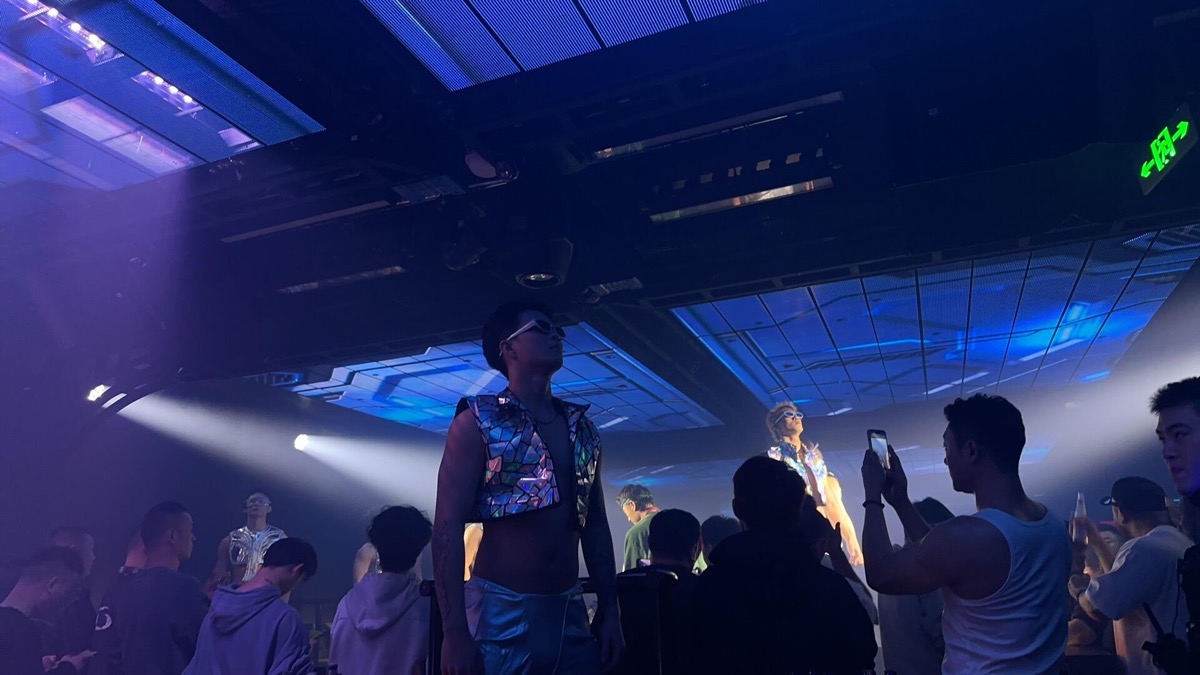
Opened April 2026 in the Jinronghui complex (东大街下东大街169号, 4th floor) and already the most technically impressive gay venue in the country: a full 360° wraparound LED room (环幕) that locals compare to the big productions in Seoul and Tokyo, professional muscle-dancer shows nightly — including a striptease staged fully in the round — plus guest-host nights and bookable private karaoke rooms. It runs 9pm–4:30am; average spend lands around ¥126 a head, though Meituan and Dianping list cocktail vouchers from about ¥19.9, and readers report a free door and no minimum spend. The fact that it opened a hundred feet from The Butterfly tells you everything about the state of gay Chengdu: the market here is growing. The two clubs plus late-night noodles make the single best gay night out in China — full detail in our Monster House story.
Pose Club — the friendly one
Across the river at the Future Center (成华区东风路26号未来中心4楼401), Pose is where you go to make friends rather than watch a spectacle. One dance floor, laid out so that talking to strangers is unavoidable in the best way; K-pop random-dance nights that pack the room with people in their twenties; drag with more heart than budget. The legendary local move is the Meituan table deal — travellers have landed twelve beers, snacks and their own table for about ¥39 — and the door is free with no obligation to buy. Dead before 11pm, properly going by midnight, busiest Friday to Sunday. If it’s your first gay night in China and the mega-clubs sound intimidating, start here: someone will adopt you.
The bars, and where to actually talk
Hunk Sky — same fourth floor as Pose, just turn left — is the conversation room: a proper 清吧 (chill bar) where the volume stays under control and the bar staff pour without hurrying you. Friday and Saturday bring small stage shows and a crowd-wide random dance number; a night here runs about ¥100 a head. The local rhythm is to start at Hunk with a slow drink, then walk the five steps to Pose when the floor fills. One honest caveat from the Dianping reviews, which matches our experience of busy nights: when it’s rammed, the bar service goes cold — order two drinks at a time.
Flat, on the second floor of the 339 shopping centre under the TV tower (双林路339号), is the mixed, alternative room — the closest thing to Funky Town’s afterlife. Queer-friendly rather than strictly gay, underground-leaning music, and the easiest place in this guide to fall into conversation with local artists and the odd expat. The 339 tower sits on the Mengzhuiwan riverside, which has quietly become Chengdu’s hippest evening stroll — come early, walk the river, then drink.
Hakka is the secret rooftop: top floor of the SOHO Feicheng complex on Kehua North Road (科华北路60号, A座顶楼), with a garden, a proper view and DJs who take themselves seriously. A fixture of the city’s underground music scene and comfortably queer-friendly — the right second-to-last stop on a long night south of the river.
Revolucion and the Lan Kwai Fong strip at Jiuyanqiao are the mainstream add-on: Latin-branded, high-energy, mixed crowd, zero attitude about who you came with. Useful when your straight friends are in tow — on which subject, our travelling-with-straight-friends guide was half-written in this postcode. Jianghu Livehouse (江湖, 太平南新街6号 by Jiuyanqiao) is worth knowing as the mixed live-music room with a soft spot in the bear community — not a gay venue, but you’ll rarely be the only one.
For the ranked short-list with addresses in copy-paste Chinese, see the full Chengdu bars & clubs guide.
For the girls: Chengdu’s lesbian scene
Here’s a dimension the English-language guides skip entirely: Chengdu has one of the very few dedicated, long-running lesbian clubs in China. Queen Bee (蜂王) has held its floor of the Oriental Times mall at Dongmen Bridge (东大街下东大街段328号, 2nd floor) since 2014 — live shows at the weekend, tables bookable by phone or Weibo DM, and a crowd that spans soft-butch regulars to girls straight off the high-speed rail from Chongqing. Men are welcome as guests rather than the point; go with queer women friends, buy the table deal, cheer the show. Chinese lesbian forums also rate AMO, a newer les-leaning club listed near Tianxianqiao (the Meteor Garden building) — listings for it move around, so check Dianping for the current address before setting out. That two such rooms survive at all — lesbian venues are the first casualties of every nightlife downturn worldwide — says a lot about how deep this city’s queer roots go.
The night-out playbook
Mechanics that make a Chengdu night cheaper and smoother, learned the hard way:
Time it Chinese. Nothing worth seeing happens before 11pm; the shows land around midnight; the clubs run to 4:30am. Nap accordingly.
Work Meituan before you order. The group-buy app (美团, or Dianping 大众点评) lists drink vouchers and table packages for nearly every venue in this guide at 30–70% off the walk-in price. It wants a Chinese phone number; if you can’t register, screenshot the deal and show the bar — staff will often honour it or shrug and match it.
Tables are theatre, standing is free. The mega-clubs make their money on booked tables with bottle minimums, negotiated through promoters on WeChat. As a traveller you need none of it: the door is free, the standing floor is where the fun is, and a ¥40 drink in your hand is ticket enough.
Getting home is the easy part. The metro shuts around 11pm–midnight, but Didi (China’s Uber) runs all night, costs a few pounds across the centre, and is door-to-door safe at 4am in a way few Western cities can claim. Paste the Chinese address of your hotel into the app before you go out. Set-up guide: metro & Didi for foreigners.
Mind the quiet norms. Free door doesn’t mean free-for-all: photography of strangers is rude here in a way it isn’t in Berlin (people have families who don’t know), so shoot the stage, not the crowd. The full etiquette rundown — toasting rules, tipping (don’t), what 营销 promoters actually do — is in our China gay nightlife etiquette guide.
Carry your passport photo page (a phone photo is fine everywhere except hotel check-in) and expect nothing stronger at the door than a metal-detector wave. Chinese clubs are strict about drugs in a way you should take completely literally.
Saunas, spas and the honest word
We’d rather disappoint you here than waste your evening, so: Chengdu’s gay bathhouse scene is a shadow of what it was before the pandemic. The city once had several busy houses; most never reopened, and nothing new has been built. What survives is essentially one name: MC Space (满舍), the bar–sauna–KTV complex by Dongmen Bridge (天仙桥北路6号, 海成大厦1楼) that anchored the old Golden Triangle. It’s publicly listed on Chinese platforms, its Weibo was active into late 2025, and Chinese AI搜索 summaries in 2026 still describe it as trading — but this is the fastest-changing corner of the scene, so treat it as probably open, verify on the day: ask on Blued or have your hotel call before you cross town. You’ll also find 2026 listings for small bathhouses on Yusha Road in the same district; we haven’t been able to verify any of them to our standard, so we won’t print names we can’t stand behind — the regional saunas guide covers the cities where we can.
If what you actually want is steam rather than scene, Chengdu delivers in mainstream form: Tang Yue (汤悦温泉酒店) just off Chunxi Road is a hot-spring hotel whose pools, sauna and steam rooms are exactly the post-club recovery a 4:30am city demands (it’s in our hotels list below), and every five-star in the stay section has a proper spa. First time in any Chinese bathhouse, gay or otherwise? Read our bathhouse etiquette guide first — the rituals differ from Europe’s in ways worth knowing before you’re naked.
And the standing rule for anything discreet in China: if a place or a party can’t be found publicly, it’s not ours to publish. Protect the venues, protect the locals, follow the community’s own lead on what gets shared where.
Where to stay
Chengdu is where China’s luxury-hotel value gets silly — five-stars here cost what a Premier Inn costs in London. The full ranked list with booking notes is in our Chengdu gay hotels guide; the short version:
The Langbo (Hyatt’s Unbound Collection, ~US$180) is the scene’s home hotel — jade-themed design floors high above Dongdajie, with The Butterfly and Monster House literally downstairs and the queer-fashionable crowd sharing your lift. The 61st-floor Terminal 61 bar is the city’s best pre-game. Grand Hyatt (~US$130) is the dependable all-rounder dead-centre on Chunxi Road; W Chengdu brings the brand’s party energy (and its SPARK rooftop) but sits across town in the finance district — fun in-house, taxi to everything else. On a mid-budget, Mumian at the MIX-C mall is the design pick nearest the Pose/Hunk scene, the WIFC serviced apartments put a kitchen in the same tower as the Langbo for half the rate, and Tang Yue is the hot-spring sleeper hit — soak off the club, sleep, repeat. Same-sex couples booking one bed is a non-issue at all of these; Trip.com reads Chinese inventory more reliably than Western sites, and the only paperwork quirk is that hotels photograph every guest’s passport at check-in — routine, not targeting.
Daytime Chengdu: what to do before the clubs open
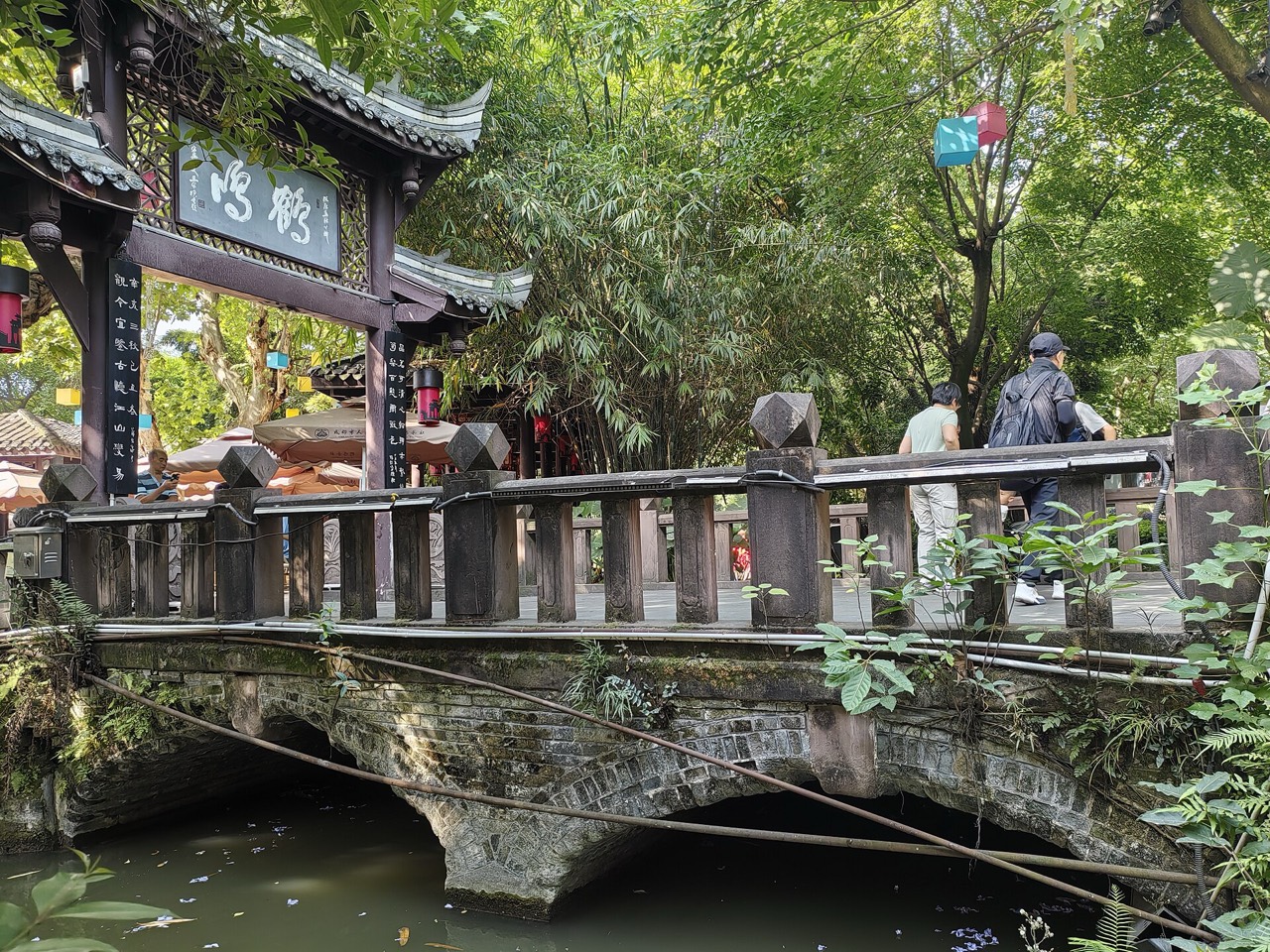
Learn the teahouse. Chengdu’s real religion is the 茶馆, and Heming Teahouse (鹤鸣茶社, in People’s Park, pouring since the 1920s) is the cathedral: ¥20–30 buys a lidded cup of jasmine and squatters’ rights to a bamboo chair for as long as you like, with mahjong clattering around you and ear-cleaners advertising their trade with tuning-fork chimes (¥30, genuinely relaxing, mildly alarming). Nearby you’ll pass the famous marriage corner, where parents post their children’s CVs on umbrellas — a poignant window on the family pressure your local friends navigate, and half the answer to why discretion runs so deep here.
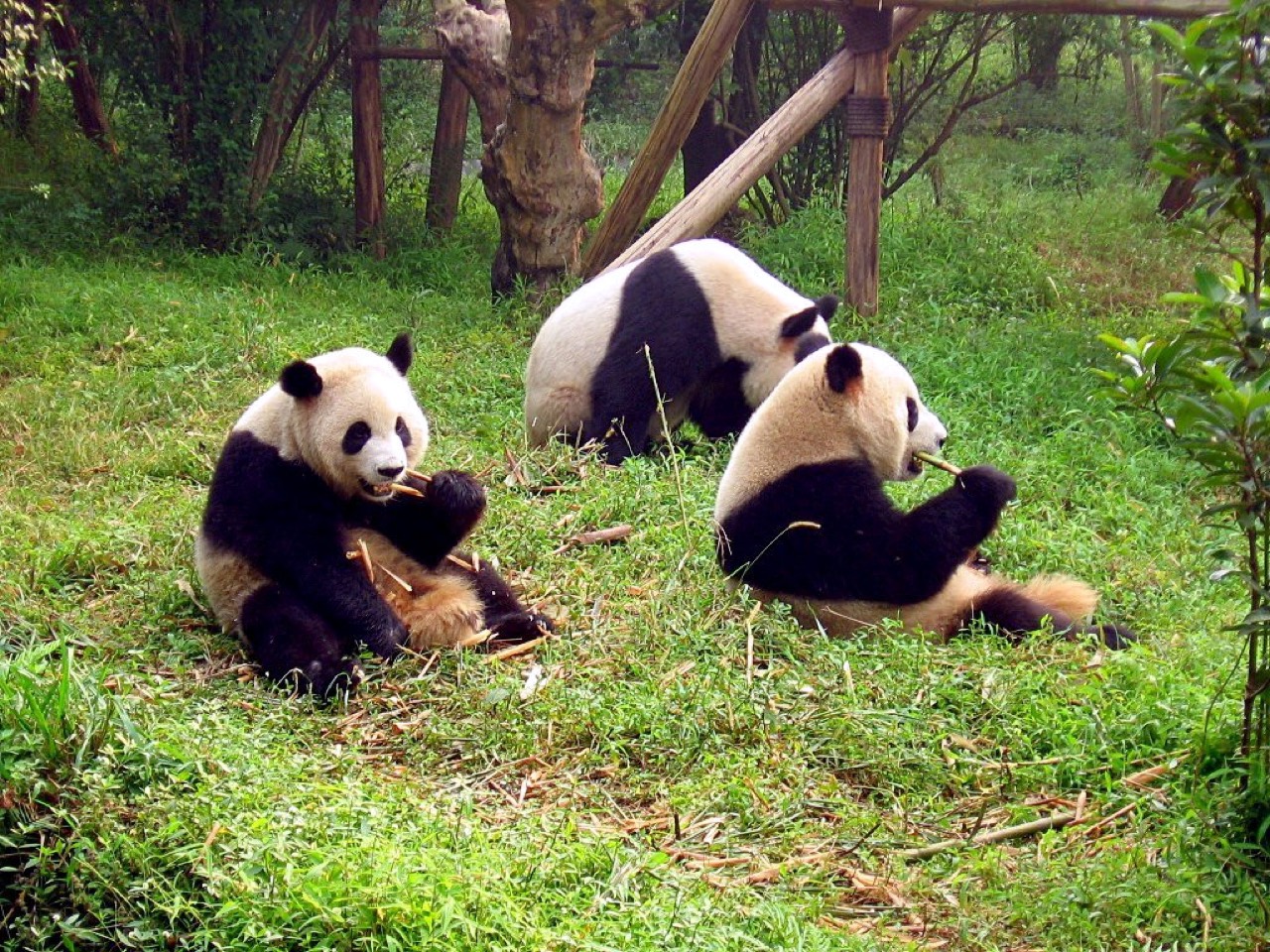
Do the pandas properly. The Chengdu Research Base of Giant Panda Breeding is the one attraction that survives its own hype, on one condition: be through the gate at 7:30–8am, when the bears are eating and playful; by 11 they’re asleep and you’re queueing. Metro Line 3 plus the shuttle gets you there; book tickets a day ahead on Trip.com or the official WeChat account.
Walk the old lanes, then the new ones. Kuanzhai Alley (宽窄巷子) is the restored Qing-dynasty quarter — touristy, yes, but handsome, and the side lanes reward wandering. Pair it with Wenshu Monastery, a working Buddhist temple whose vegetarian restaurant and attached teahouse are the calmest hour in the city. In the evening, Jinli Street by the Wuhou Shrine does lanterns-and-snacks prettiness — go at dusk when the red lanterns come on — while the under-touristed move is the Mengzhuiwan riverside below the 339 tower: craft coffee, vintage shops, skateboarders, and Flat upstairs when you’re done.
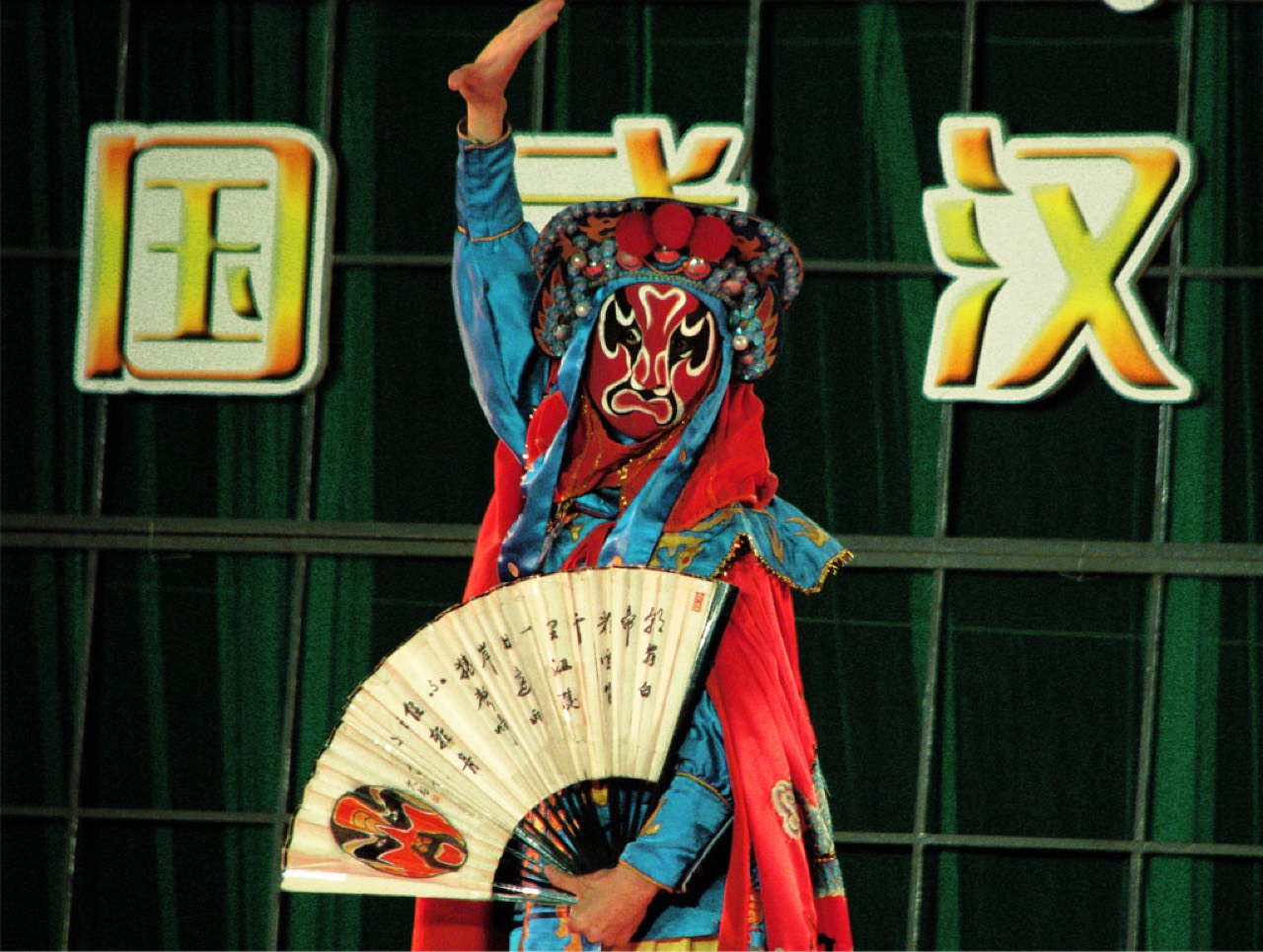
See faces change. Sichuan opera’s 变脸 — masks swapped faster than the eye can track — is pure stagecraft joy, and the nightly show at Shufeng Yayun (蜀风雅韵, in Culture Park, ~8pm) is the classic setting, tea and shoulder-massage add-ons included. Between drag at the Butterfly and face-changing at the opera house, Chengdu might be China’s capital of transformation as performance — make of that what you will.
Browse like a local. Chunxi Road and Taikoo Li are the shopping core — the open-air Taikoo Li lanes around the exposed Daci Temple are genuinely lovely at dusk — and the bookshop inside Chengdu IFS (whose rooftop panda sculpture you’ll photograph whether you plan to or not) is the classiest air-conditioned hour downtown. The Yulin quarter south of the river is the low-rise, plane-tree neighbourhood the song “成都” made famous; its small bars — the thirty-year-old indie institution Little Bar (小酒馆) above all — are where the city’s bohemians, queer kids included, actually drink on weeknights.
Eat like Chengdu wants you to eat
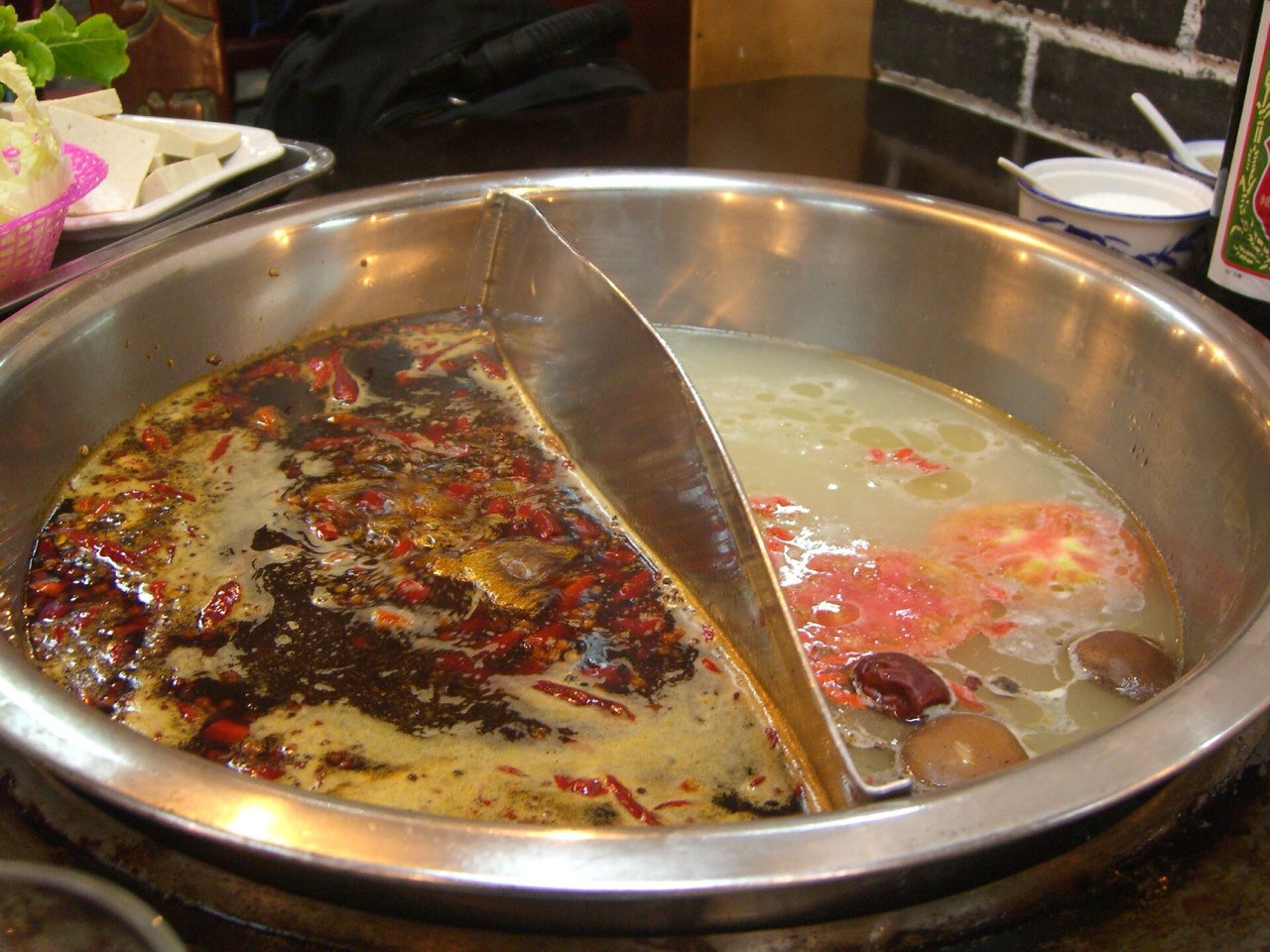
UNESCO named Chengdu a City of Gastronomy before it was cool, and the scene eats well. The non-negotiables: hotpot, ordered as a split 鸳鸯锅 (half fiery red, half mild broth) with the standard dipping bowl of sesame oil, garlic and coriander that tames the burn — any packed local chain beats a famous name with a queue of tourists. Mapo tofu at the source: Chen Mapo Doufu (陈麻婆豆腐), the house that invented the dish in the 1860s, has a branch near Chunxi Road; order it with rice and something green and understand what the imitations were imitating. Chuan-chuan (串串香) — skewers pulled from a communal vat, counted and priced by the empty stick — is the social, post-midnight format the nightlife crowd actually eats. And the 3am classic after The Butterfly is a bowl of lao ma ti hua (老妈蹄花), slow-braised pork trotter soup, from the row of shops near People’s Park that have soothed clubbers for decades. Dessert is bing fen (冰粉), iced jelly with brown sugar, from any street window in summer. Deeper menu strategy, dish names in characters and the vegetarian survival kit: our gay China food guide.
Day trips: giants, mountains, and the other river city
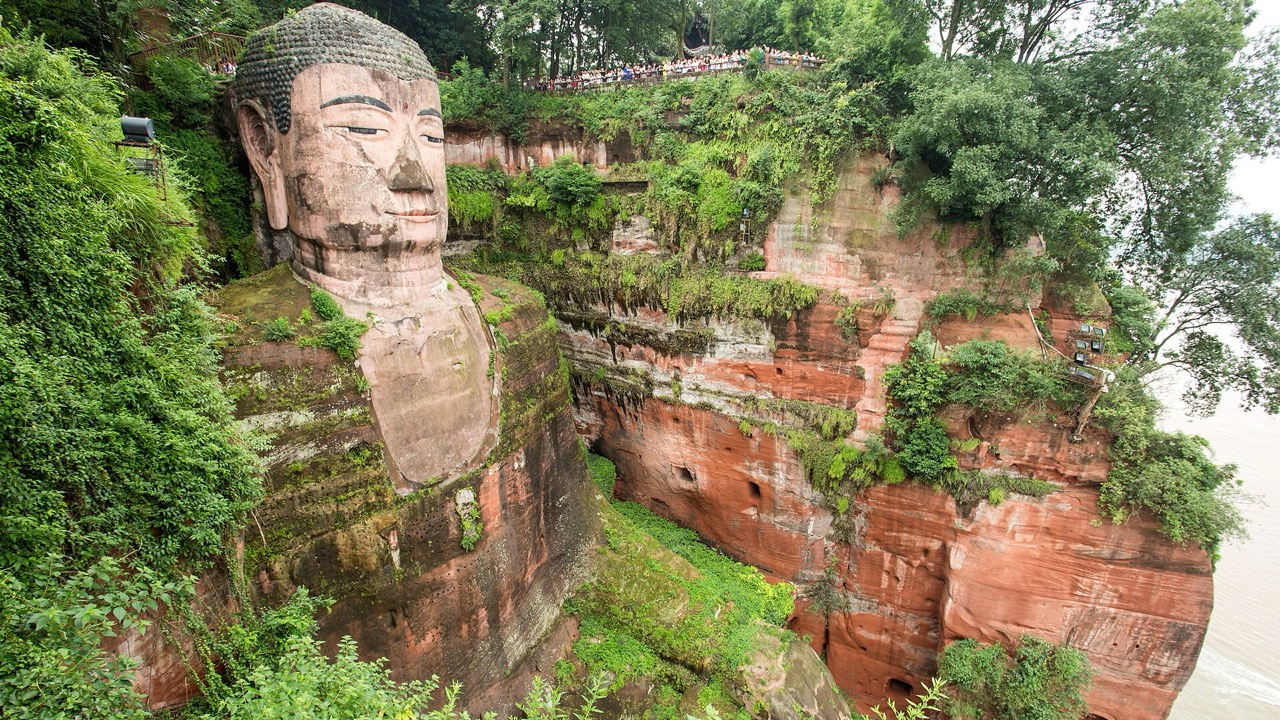
Leshan Giant Buddha is the essential one: a 71-metre Buddha carved into the river cliff twelve centuries ago, about an hour from Chengdu East/South by high-speed rail plus a short bus. Choose your worship: the boat (~30 minutes, the full postcard view of the face) or the cliff staircase (the vertiginous close-up, plus a queue in season). Mount Emei, one more stop down the same rail line, gives you golden-summit views, monkey bandits and temple-stay options if you fancy a night of vegetarian food and 5am bells. Dujiangyan & Qingcheng Shan — the 2,200-year-old irrigation marvel and the misty Taoist mountain beside it — make the gentlest combined day, 30–40 minutes out by rail. And Chongqing, the cyberpunk mountain metropolis with a gay scene of its own, is 62–90 minutes by bullet train — genuinely doable as a day trip, better as an overnight; our Chongqing guide makes the case. More escapes in the China day-trips guide.
TL;DR: the practical machinery
The condensed version — each line links to the full guide where the detail lives.
When to come
March–May and September–November are the sweet spots — mild, green, and the scene at full strength. Summer is hot, sticky and perfectly survivable (the clubs are air-conditioned caves); winter is grey and mild rather than harsh. The one hard avoid is Lunar New Year, when the whole country travels and half the venues shutter for a fortnight; Golden Week (early October) is lively but crowded and pricey — our Golden Week guide explains the trade-off. Seasonal detail: best time to visit China.
Getting in
China’s visa picture is the friendliest it’s been in decades: a long list of European, Asian and Latin American passports currently enter visa-free for 30 days, and most others (including US and UK passport holders in transit) can use the 240-hour visa-free transit scheme — check your passport against our China visa guide before assuming either way. Chengdu has two airports: Tianfu (TFU), the vast new hub handling most international arrivals (Metro Line 18/19 or ~¥200 taxi, allow an hour to town), and close-in Shuangliu (CTU), now mostly domestic (Line 10, 30 minutes). Arriving by rail, Chengdu East (成都东) is the HSR hub — Chongqing ~1.5h, Xi’an ~3h, Shanghai ~10h or a cheap flight. First-night survival plan: your first 24 hours in China.
Money, phone, maps
China is functionally cashless: set up Alipay (easiest for foreigners) or WeChat Pay with your home card before you fly — five minutes that transforms the trip (payment set-up guide). For data, a travel eSIM solves connectivity and the firewall in one purchase: Google, Instagram, Grindr and WhatsApp all work over it without a separate VPN, and the what’s-blocked list tells you what to expect on hotel wifi. Metro and Didi cover all transport needs (set-up guide); tipping does not exist here, in bars, restaurants or taxis — genuinely, don’t.
Safety & health
Chengdu is one of the safest big cities you will ever party in — violent crime against foreigners is vanishingly rare, streets are busy and lit at 3am, and your risks are prosaic: chilli oil, baijiu toasts (survival guide) and losing your hotel card in a club. LGBTQ+-specific texture is in the safety explainer; if anything does go wrong, from a lost passport to needing PEP, our China emergency guide has the numbers and scripts (police 110, ambulance 120) — and note that Chengdu’s Tongle, one of China’s longest-running LGBTQ+ health organisations, has provided community HIV testing here since the early 2000s. Carry your passport for check-ins, drink the bottled water, and buy travel insurance you hope to waste.
What it all costs
Less than you think: with the ¥39 table deals, free club doors, ¥25 teahouse afternoons and five-stars under US$200, Chengdu is arguably the best-value great gay city on earth right now. Line-by-line budgets in what a gay China trip costs, and slot Chengdu into a longer route with the two-week itinerary or the high-speed-rail circuit.
The bottom line
Tbilisi has its techno cathedrals, Bangkok its go-go glitter, Tokyo its two-hundred-bar warren — and Chengdu has something none of them quite manage: a scene that feels like being let in on a secret the whole city is politely keeping. No flags, no parade, no performance of visibility — just the most relaxed queer nightlife in China, wrapped in tea steam and chilli oil, in a city that would rather feed you than judge you. Come for the Butterfly’s midnight show; stay because a stranger at Pose put twelve beers on the table and refused to let you pay; leave already planning the return. 慢慢来, as they say here — take it slow. Gaydu isn’t going anywhere.


