
Taipei: where queer Asia exhales
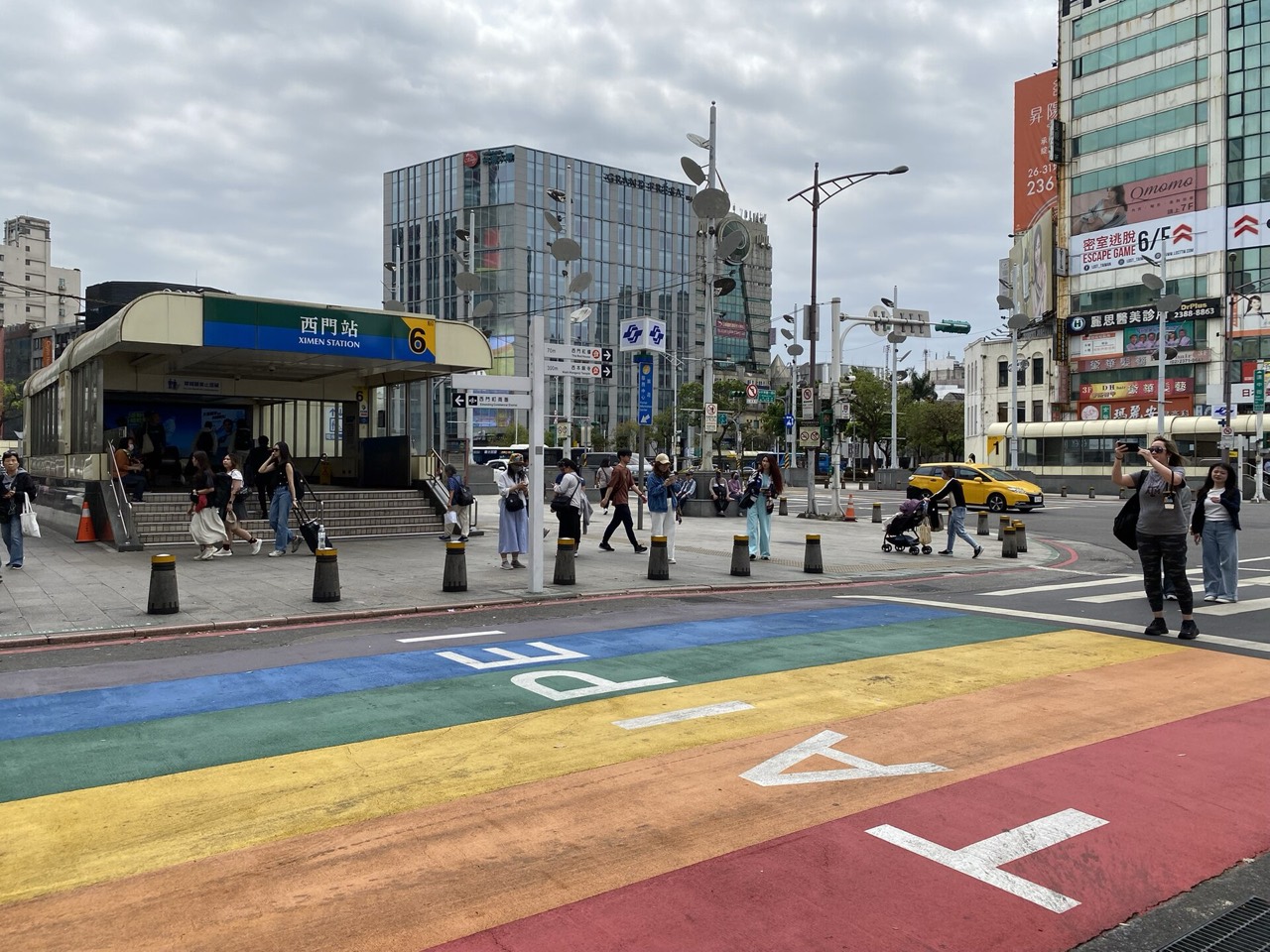
Most of this site teaches you to read rooms — where discretion sits in Chengdu, how low the scene keeps its head in Beijing, what survived in Shanghai. This page is the chapter where you can stop reading and just breathe. Taiwan legalised same-sex marriage in May 2019, the first place in Asia to do it, and Taipei wears the fact casually: a six-colour rainbow is painted across the road outside Ximen station’s Exit 6, the plaza behind a century-old red-brick theatre holds more than two dozen gay bars stacked over two floors, and every October the streets in front of the Presidential Office fill with the biggest Pride on the continent — a couple of hundred thousand people, no asterisks.
For travellers working through the mainland cities in this guide, Taipei is a short flight and a different planet in how it treats you: no firewall, no faceless app grids, no reading the room — plus night markets, volcanic hot springs and the best convenience stores on earth. This guide runs the full circuit as of July 2026: the Red House crawl, the clubs and the saunas (yes, real ones, legally open), the lesbian rooms, Pride logistics, and the practical machinery. The short version with the venue map lives on our Taipei city hub.
Being gay in Taipei: the questions everyone asks
Is Taipei actually gay-friendly?
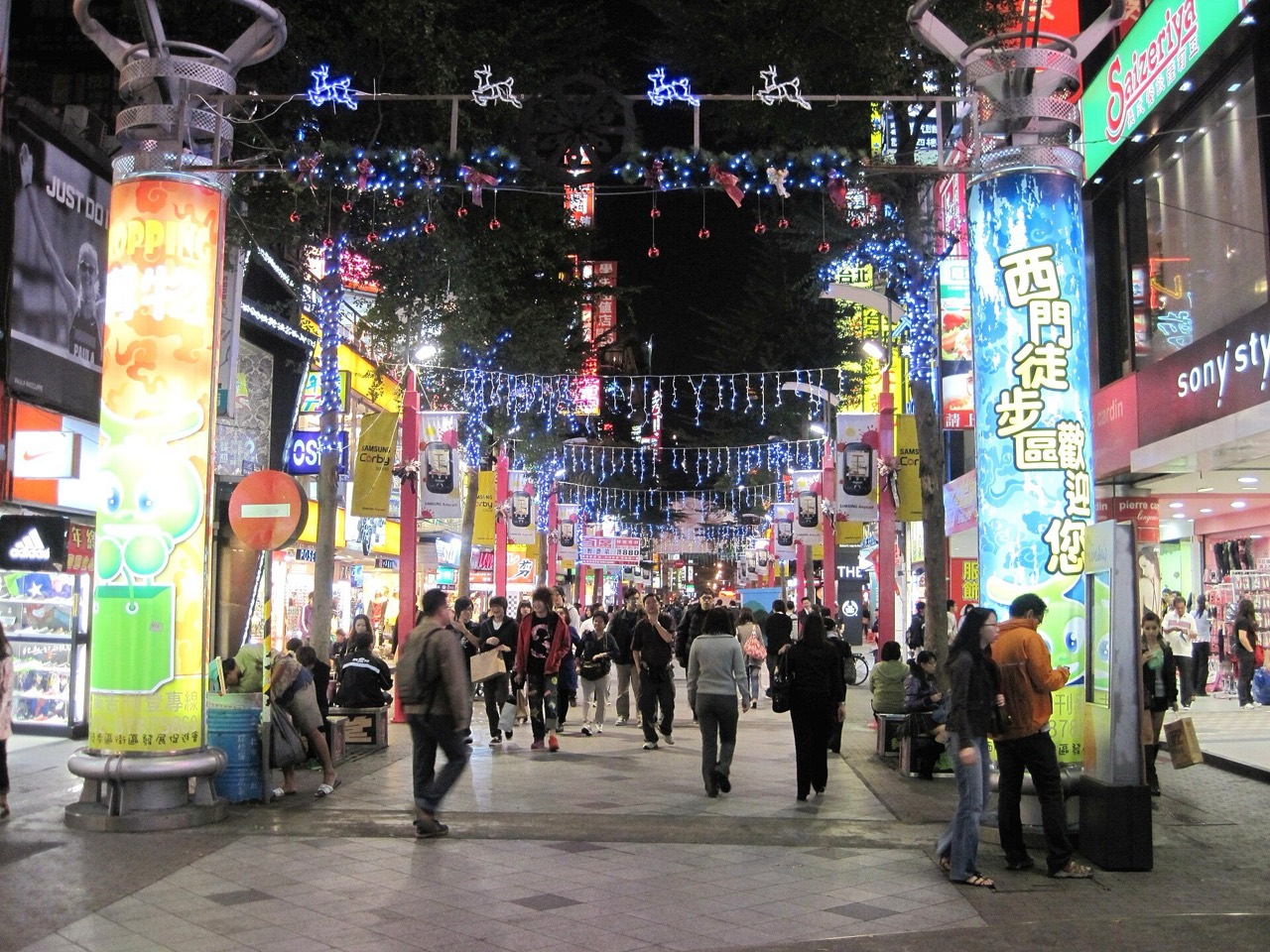
The most gay-friendly city in Asia, and it isn’t particularly close. Marriage equality since 2019, joint adoption rights since 2023, anti-discrimination protections, open media, politicians who march at Pride. On the street that translates to something mainland China never quite offers: visibility without calculation. Same-sex couples hold hands in Ximending, drag queens pose for tourist photos outside the Red House, and the only double-take you’ll get is someone checking out your outfit. Older and more conservative pockets of society exist — the 2018 referendum against marriage equality passed before the courts overrode it, a fact locals remember — but as a traveller you will simply not encounter a problem.
I’ve read your China guides — what still applies here?
Almost none of it, pleasantly. There is no Great Firewall: Grindr, Google, Instagram and WhatsApp work on any SIM, no VPN or special eSIM required. There’s no hotel registration theatre, no cashless app-wall (cards and the EasyCard transit card cover you), no discretion norm to calibrate. Public affection is unremarkable. The one mainland habit worth keeping is the late schedule — Taipei’s scene also only wakes after 11pm. If you’re weighing a mainland trip against a Taiwan one, our China vs Taiwan comparison does the full side-by-side.
When is Taipei Pride, and is it worth planning around?
Absolutely — it’s the anchor event of queer Asia. Taiwan Pride 2026 marches on Saturday 31 October, gathering around Ketagalan Boulevard in front of the Presidential Office, with festivities running the surrounding days — and in 2026 the parade lands on Halloween itself, which will turn an already costume-happy march into something unhinged in the best way. Recent editions have drawn 150,000–200,000 people. Every promoter in the region throws parties that weekend, the Red House becomes one continuous street festival, and hotels in Ximending and Zhongshan sell out weeks ahead — book early and confirm dates closer to the time.
What are the apps here?
Grindr, openly and densely — Taipei’s grid is one of Asia’s liveliest, faces out, bios in English and Mandarin. Tinder and Hornet run strong too, and you’ll notice the difference from the mainland immediately: people link their Instagrams. No workarounds needed, nothing to install before you fly. (Blued exists here but skews to a different crowd; you won’t need it.)
Is Taipei good for queer women?
The best city in Asia for it, though the venue list is shorter than the boys’. Taboo in Zhongshan is the institution — the longest-standing lesbian club in Taiwan — and Wonder Bar carries the newer, cocktail-lounge end of the scene. Pride weekend adds women-centred parties across town. Detail in the lesbian section below.
Is Taipei the right first gay trip in Asia?
Yes — it’s the soft landing. English is workable everywhere that matters, the metro is spotless and simple, safety is genuinely world-class, and the scene requires zero cultural decoding. Start here, fall in love with the region, then graduate to the mainland cities with our best gay cities in Asia ranking as your map.
Where the scene lives: gay Taipei’s geography
Three districts hold everything, all strung along the blue and red MRT lines:
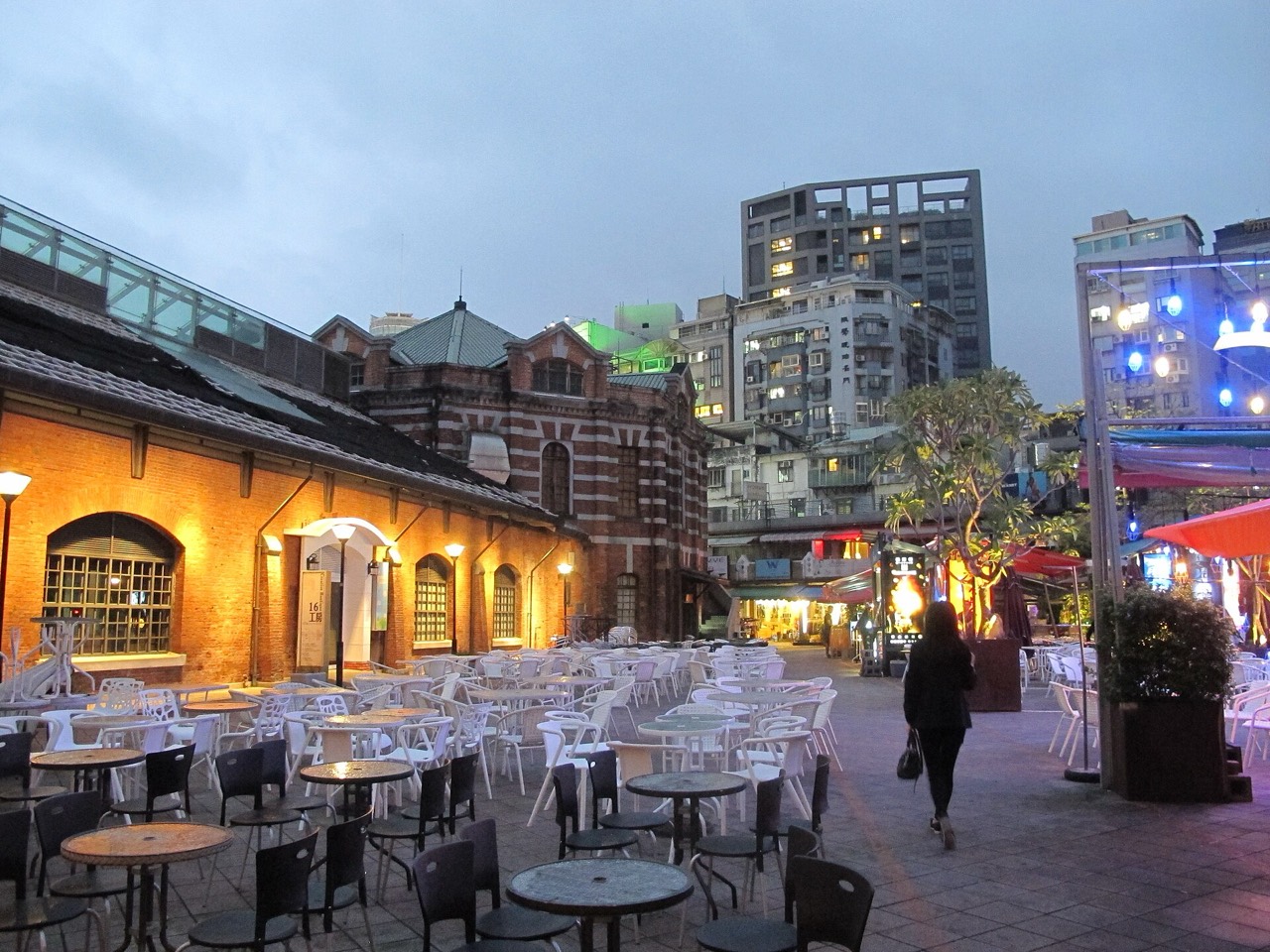
Ximen & the Red House (西門紅樓). The centre of the queer universe: a 1908 octagonal red-brick theatre whose rear plaza evolved, from the mid-2000s, into an open-air gay village — 25-plus bars across the square and the arcade’s two floors, terraces flowing into each other so completely that the crawl does itself. Downstairs anchors: Café Dalida and The Garden, with Sol Bistro holding the Xining Road entrance. The surrounding Ximending grid adds the racier rooms — Locker Room, Hero Bar, Commander D — plus the Hans sauna and a floor of speakeasies. Stay near here for the walk-home-at-4am trip.
Zhongshan & the north. Quieter by day, load-bearing by night: Triangle’s weekend club nights at MAJI Square by Yuanshan station, the lesbian institution Taboo on Jianguo North Road, and two of the three big saunas (Soi 13 in on Minsheng East, Taipei I/O off Shuangcheng Street). Aniki sits just west in Datong, beside Ningxia night market — steam, then skewers.
Da’an & the east. The fashionable side: Fairy Bar’s young drag crowd off Zhongxiao East, cocktail rooms around Fuxing South, and G*Star on Longjiang Road at the district’s northern edge — note it moved east years ago and is not in Ximending, whatever older maps claim. This is also brunch-and-boutique territory for the morning after.
Everything below is pinned on the Taipei hub map — load it once you’ve booked a hotel.
The clubs
G*Star is the closest thing Taipei has to a flagship gay dance club: K-pop and mando-pop sets, drag interludes, go-go dancers, and a young local crowd that actually dances rather than poses. Weekends run to 5am; the door sits around NT$350–500 with a drink included. It’s a taxi rather than a stumble from the Red House — treat it as the second venue of the night, arriving after midnight when the floor is committed.
Locker Room, back in Ximending, is the cheeky one: nightly go-go shows that famously end up in the shower (the weekend “Wet Show” is exactly what it sounds like), plus K-pop nights, pool parties and drag. It’s spectacle-first, sociable, twenties-to-fifties, roughly NT$400–800 a head, closed Mondays and Tuesdays. Go with friends, sit near the front, accept that you may get splashed.
Triangle at MAJI Square (Yuanshan MRT) covers the alternative flank — a small, mixed, queer-heavy electronic room, Fridays and Saturdays 10pm–3am, where the music is the point and the crowd runs from art kids to off-duty drag queens. And Hunt on Guiyang Street is the men-only, clothes-optional-themed end of the market: its raunchy theme nights (second Saturday monthly is the big one) are Taipei’s answer to a Berlin dark-party, run with very Taiwanese friendliness. Monthly wildcard: C.U.M. — yes, really — a roving drag-and-dance party that pops up around Ximen; check its socials for the next date.
The bars: doing the Red House crawl properly
The crawl barely needs instructions — arrive at the plaza around 9:30pm, drift with the terraces — but the rooms have personalities worth knowing:
Café Dalida is the heart and the history: pouring since 2006 under its plane trees, mojitos by the tray, and weekend drag that locals rate the city’s best — the owner, Alvin Chang, performs as Alibudha and is affectionately called the godmother of Taipei drag. Start here; you’ll understand the whole square faster.
The Garden next door takes the overflow with a leafier, chattier terrace, and Saloon holds the veterans’ corner — the longest-running room on the strip, mixed ages, zero pretence, the place where the square’s regulars actually drink. Hero Bar on Kunming Street adds go-go dancers and a cruisier upstairs (closed Mondays), while Fairy Bar over in Da’an is where the under-30s take their drag loud and late.
Commander D, in a basement off Kaifeng Street, is Taipei’s pioneering fetish bar — leather, uniforms, cages and a well-used darkroom, run with house rules that keep it safe and consensual. It’s men-only on most nights and busiest Wednesdays, Fridays and Saturdays from 10pm; gear is admired but not required. If that’s your lane, it’s a world-class version of it; if it isn’t, the plaza above will never know you skipped it.
Two mixed rooms round out the map: Hanko 60, the theatrical speakeasy hidden behind an old cinema façade on Hankou Street (nearly a hundred cocktails, each in its own ridiculous vessel — NT$500 minimum, two-hour limit when full), and Indulge on Fuxing South for the serious-cocktail crowd. One historical note so the map makes sense: Funky, the legendary 90s-era club, is long closed — older guides still list it; don’t go looking.
For the girls: Taipei’s lesbian scene
Taboo (B1, Jianguo North Road Section 2, Zhongshan) is the longest-standing lesbian club in Taiwan — a basement of booths, karaoke nights and a weekend dance floor that runs Fridays and Saturdays from 10pm to about 4am, with quieter lounge nights Wednesday, Thursday and Sunday. The crowd is local-first and warm to visitors; go on a Saturday for the full effect. Wonder Bar carries the lounge end — an intimate cocktail room for queer women and friends that has become a community fixture, though it has moved address more than once, so check its Instagram for the current location before you set out. Pride week in late October multiplies the options, with women-centred parties across Ximen and the east side. It’s the deepest lesbian scene in Asia — which says as much about Asia as about Taipei, and locals will tell you both halves of that sentence.
A queer history you can walk in an afternoon
Taipei’s openness didn’t arrive by decree; it was argued into being over four decades, and unusually for Asia, you can walk the whole arc. Start at 228 Peace Park, the leafy square near the old city core: this was the nocturnal world of Pai Hsien-yung’s Crystal Boys (1983), the first great gay novel in Chinese, written when the park was the community’s only refuge and being seen there could end a career. Walk ten minutes west and you’re at the Red House, whose rear plaza turned into an open-air gay village in the mid-2000s — the community stepping out of the park’s shadows and into café chairs, in public, with signage. Take the green line south to Gongguan and GinGin Store, Asia’s first queer bookstore, trading defiantly since the late 1990s through lawsuits and firebomb scares into its current life as a bookshop-gallery (closed Tuesdays and Wednesdays). Then finish where October finishes: Ketagalan Boulevard, where the first Taiwan Pride of 2003 mustered a nervous few hundred, where the 2018 referendum defeat was grieved, and where, on a rainy 17 May 2019, the crowd outside the legislature learned same-sex marriage had passed and the whole street sang. Four stops, one MRT line, forty years. No other city in Asia can show you anything like it.
The night-out playbook
Run the local clock. Terraces from 9:30pm, clubs after midnight, close 3–5am. The MRT stops around midnight; after that, taxis and Ubers are cheap, honest and everywhere — no negotiation, meters always.
Use the convenience stores. Drinking in public is legal, 7-Elevens and FamilyMarts are on every corner, and the pre-game bought at one and drunk on the plaza’s edge is a Taipei institution. The stores also handle your late-night food, coffee, painkillers and umbrella needs at 4am, magnificently.
Doors are simple. Cover charges, where they exist, include a drink; cards are widely taken but carry some cash for small bars and markets; there is no tipping, anywhere, ever. English menus are common and staff will meet you halfway with a smile.
EasyCard everything. Buy the transit card at any metro station or convenience store, load it, and tap it for MRT, buses, YouBikes and half your small purchases.
Manners still matter. Taipei’s openness rides on a deeply courteous culture: queue for the metro, keep voices sane in residential lanes at 3am, ask before photographing drag performers (they’ll usually say yes and pose). The rainbow crossing is a photo op; the people on it aren’t automatically.
Saunas & hot springs: the honest word, happily inverted
On the mainland pages of this site, this section is where we lower expectations. Here it’s where we raise them: Taipei has a real, legal, thriving bathhouse scene, and it’s one of the best reasons to route a queer Asia trip through the city.
Aniki (officially ANIKI WOW, B1 of 11 Ningxia Road, Datong) is the flagship: part proper gym, part spa — dry and steam rooms, dark maze, café, movie room — open around the clock with weekly themed nights, drawing a younger, international, gym-going crowd. Entry runs about NT$600 weekdays / NT$800 weekends. It sits beside Ningxia night market, which solves dinner. Soi 13 in on Minsheng East Road runs 24/7 with a Thai-styled fit-out and a loyal local following; Taipei I/O near Shuangcheng Street programmes themed days and draws a broad age mix; and Hans, on the 8th floor above Xining South Road, keeps Ximending itself covered around the clock. Standard etiquette applies everywhere — shower first, towel always, consent absolute; our bathhouse etiquette guide was written for the mainland but nine-tenths of it transfers directly.
Choosing between them: Aniki for the youngest, most international crowd and the best facilities (and the easiest first-timer experience); Soi 13 in for a calmer, more local rhythm at all hours; Taipei I/O when its themed days line up with your tastes; Hans for pure Ximending convenience at 4am. Weekend evenings are peak everywhere; weekday afternoons are the gentle introduction. All are cash-or-card, towel-and-locker operations — no memberships, no Chinese phone number, none of the mainland friction.
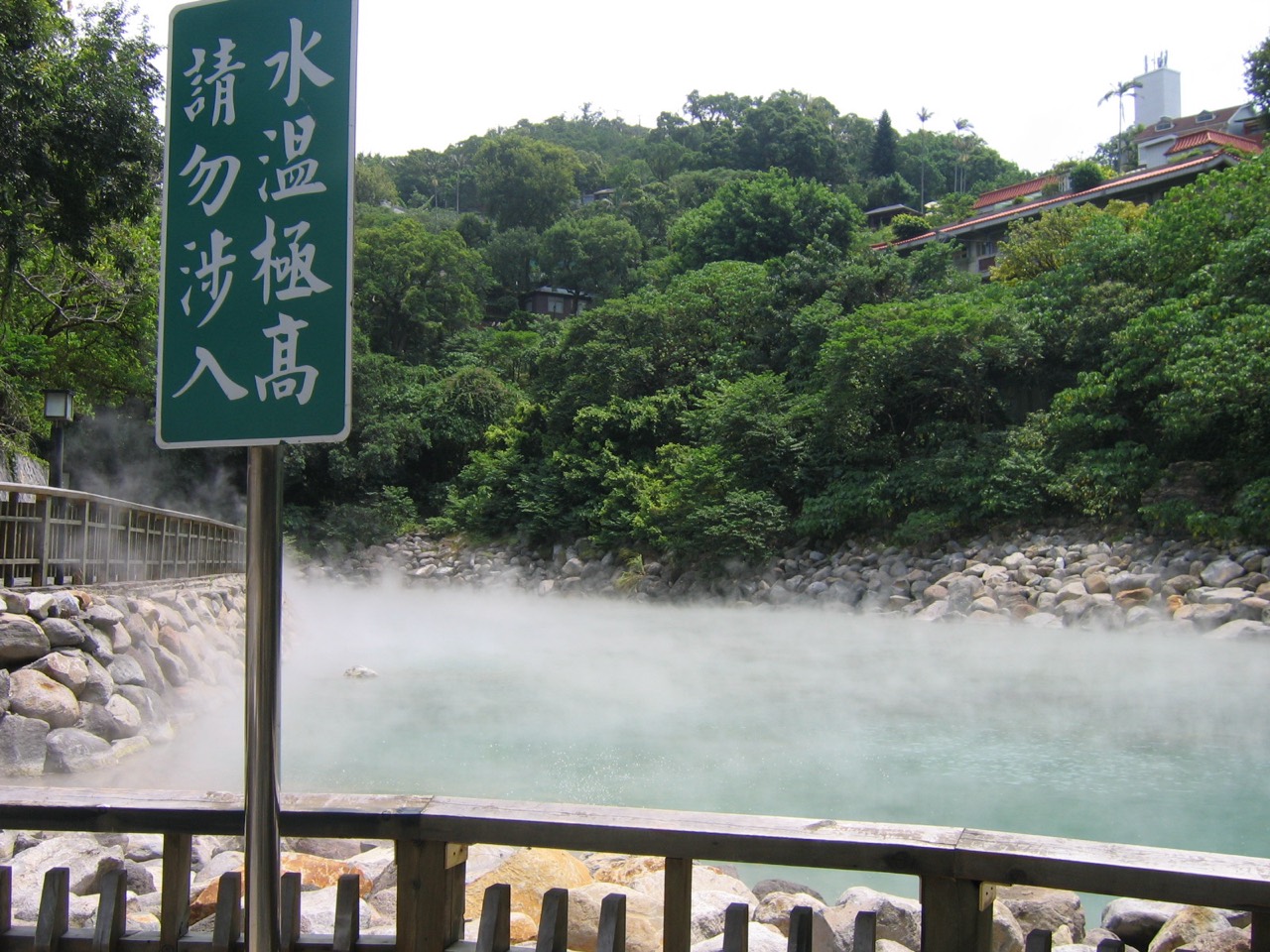
Then there’s the volcanic option. Beitou, twenty minutes north on the red line, is Taipei’s hot-spring village — sulphur steam rising out of a jungle ravine, a hot-spring museum in a 1913 bathhouse, and dozens of hotels renting private soaking rooms by the hour (the honest, couple-friendly move). One 2026 caveat: the beloved budget open-air public pools — the Millennium Hot Spring — closed in January 2025 for a refurbishment that has overrun and remained shut well into 2026, so check status before planning around them; the private baths and the full Beitou rundown on our venue page cover the alternatives. To be clear on categories: Beitou is wholesome, mixed and swimsuited — the saunas above are the other thing.
Events: Pride and the rest of the calendar
Taiwan Pride, Saturday 31 October 2026, is the one to build a trip around: Asia’s biggest queer gathering, assembling around Ketagalan Boulevard before the Presidential Office and flooding central Taipei through the evening — and this edition collides with Halloween, so expect the costume game of the decade. The surrounding week brings official and unofficial parties everywhere from the Red House to the mega-clubs, plus women’s events and a queer arts fringe. Book accommodation weeks ahead and expect weekend rates.
The rest of the year: the June Dragon Boat weekend has grown into Taipei’s second circuit moment, with pool parties and dance events stacked over the long weekend; C.U.M. and Hunt’s theme nights mark the monthly rhythm; and New Year’s Eve turns Ximending and the Red House into one big countdown street party with the 101 fireworks on the skyline. Nothing here hides — venue Instagrams and Facebook pages are current and in English enough to navigate.
Where to stay
Every hotel in Taipei is functionally gay-friendly — marriage equality settles the double-bed question — so it’s purely about location and style. Ximending is the obvious base: you’re walking home from the Red House, with the amba Taipei Ximending the modern default and budget stays plentiful. Zhongshan suits the sauna-and-cocktails traveller — the Finders Hotel is our pick there, with Taboo and two bathhouses in range. Da’an puts you among the east-side bars and the brunch cafes. Pride week aside, Taipei hotels are notably good value for a major Asian capital. Area-by-area detail and current picks: our Taipei gay hotels guide.
Daytime Taipei
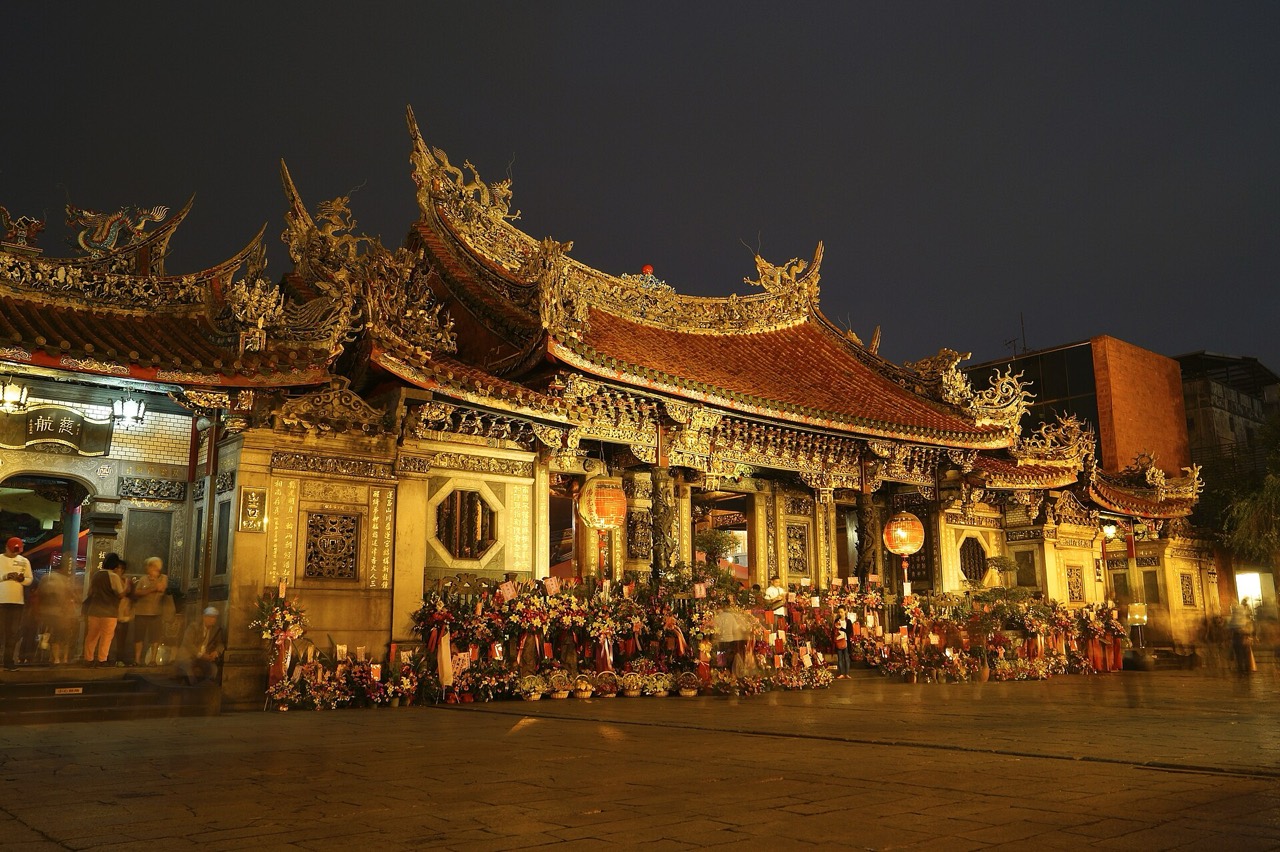
Start in Wanhua, the scene’s own district: Longshan Temple smoking with incense (watch locals throw the crescent fortune blocks; join in), the restored Qing-era shophouses of Bopiliao, and the herb-market lanes between them. It’s all ten minutes’ walk from the Red House — the queer quarter and the old city are the same neighbourhood, which tells you something about Taipei.
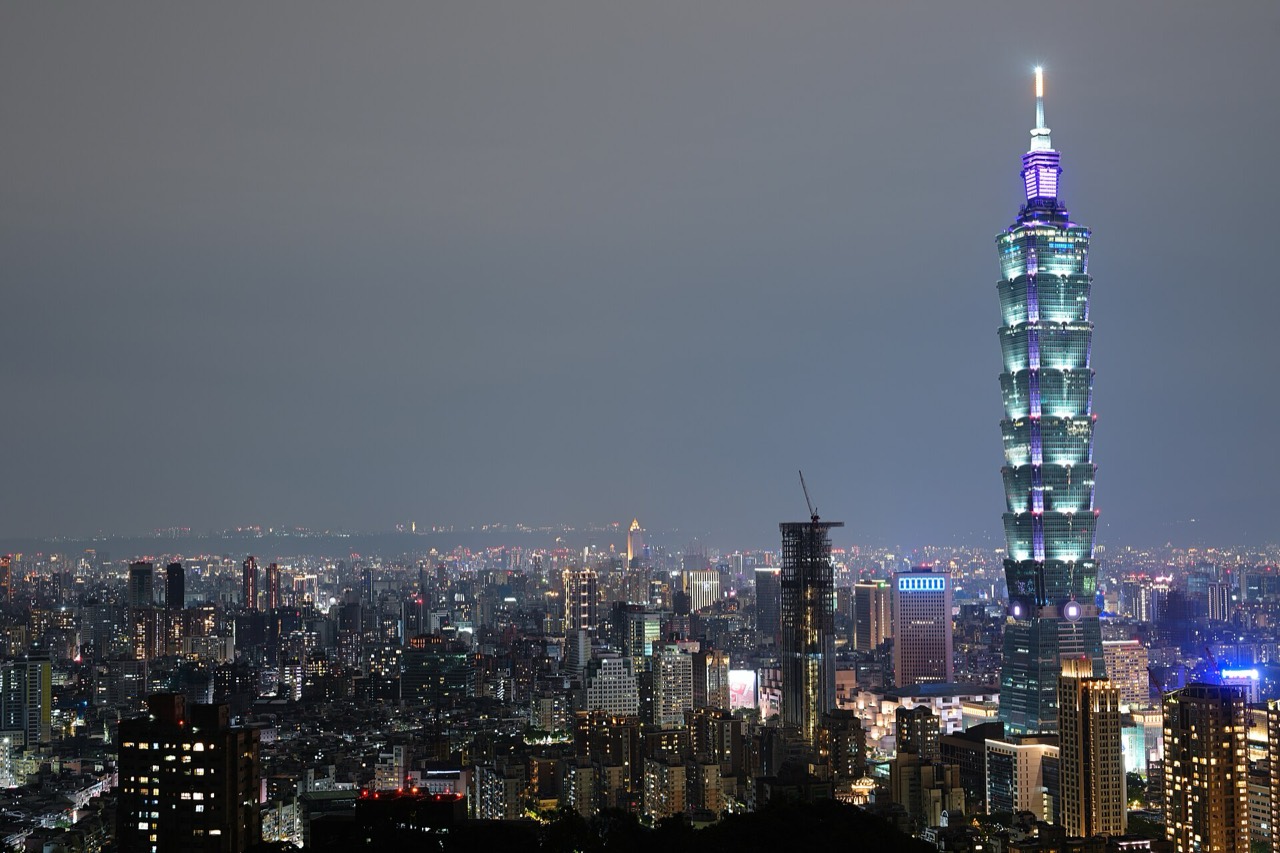
Climb Elephant Mountain at golden hour. Twenty minutes of brutal stairs from Xiangshan MRT buys the classic 101-against-the-sunset panorama; carry water, earn the photo, descend to dinner. On clear days pair it with the 101 observatory itself or coffee in the surrounding Xinyi malls.
Go north for steam and art. Beitou (above) fills a half-day beautifully — Thermal Valley, the Hot Spring Museum, a private soak — and the National Palace Museum up the road holds the greatest Chinese art collection anywhere, jade cabbage and all. Dadaocheng, the 19th-century trading quarter along Dihua Street, does tea shops, fabric merchants and sunset at the wharf.
And leave one afternoon for the history walk — 228 Peace Park, the Red House, GinGin Store and Ketagalan Boulevard, mapped out in the queer-history section above. Few cities let you pace their entire queer arc between lunch and dinner.
Eat like Taipei wants you to eat
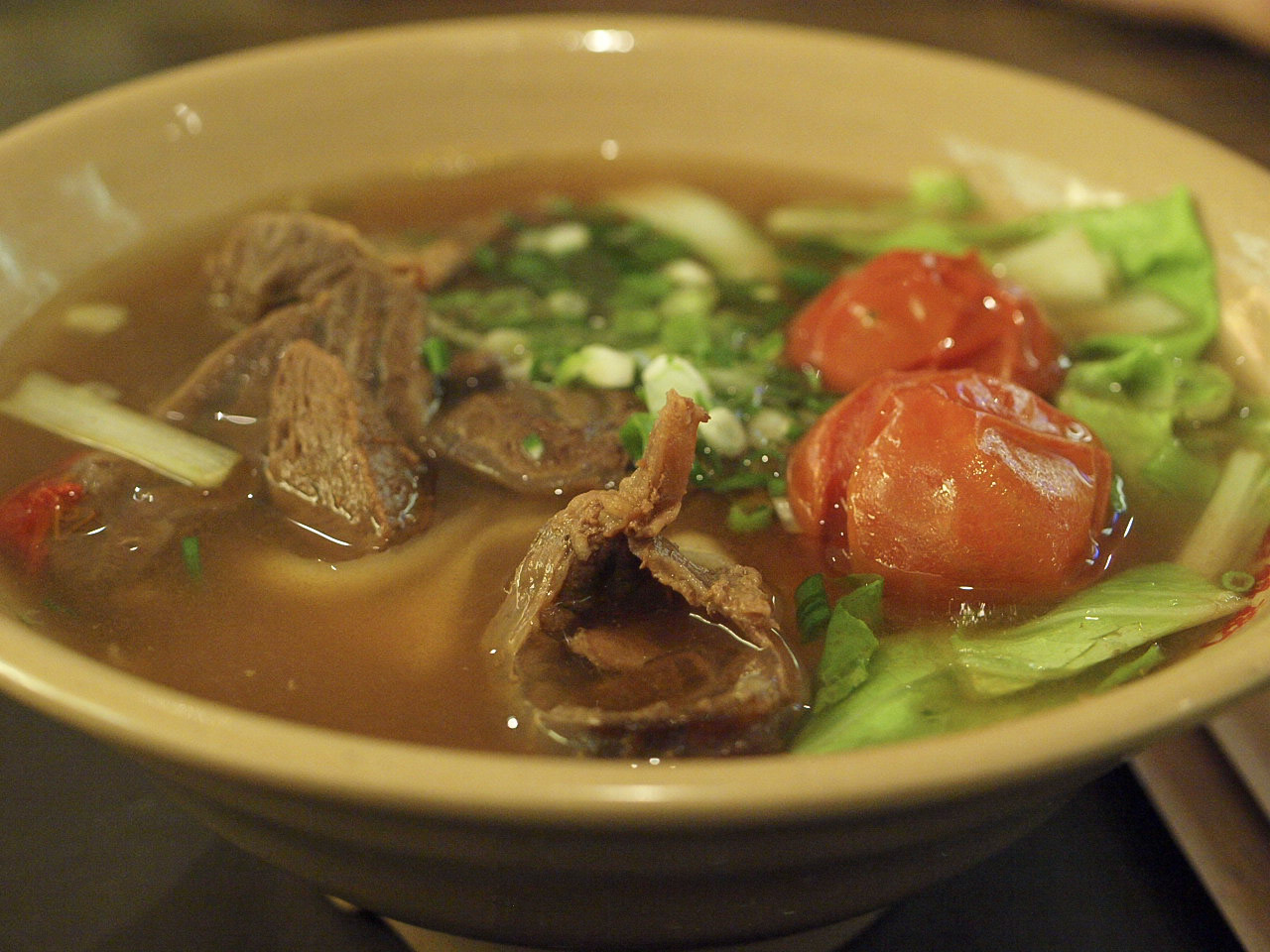
Taipei eats constantly and cheaply, and the scene eats with it. The canon: beef noodle soup (the city holds an annual festival to argue about the best bowl), xiao long bao at the original Din Tai Fung on Xinyi Road if you’re happy to queue, a proper Taiwanese breakfast of warm soy milk, youtiao and egg crepes eaten early among taxi drivers, and bubble tea in its birthplace — order it half-sugar like a local. The night markets do the heavy lifting after dark: Raohe Street for the pepper-pork buns baked in tandoor drums at the gate, Ningxia (conveniently beside Aniki) for the old-school Taiwanese classics, Shilin for scale. Stinky tofu is genuinely good and the smell genuinely is the point; the oyster omelette divides couples; the deep-fried milk should not work and does. Daylight eating clusters happily around Yongkang Street — dumplings, scallion pancakes and Taipei’s most photographed mango shaved ice — with silken douhua (tofu pudding) for the walk back; and when it’s 4am and the market stalls are dark, remember the convenience stores: tea eggs, oden and a heated seat by the window are a legitimate, beloved Taipei supper.
Day trips
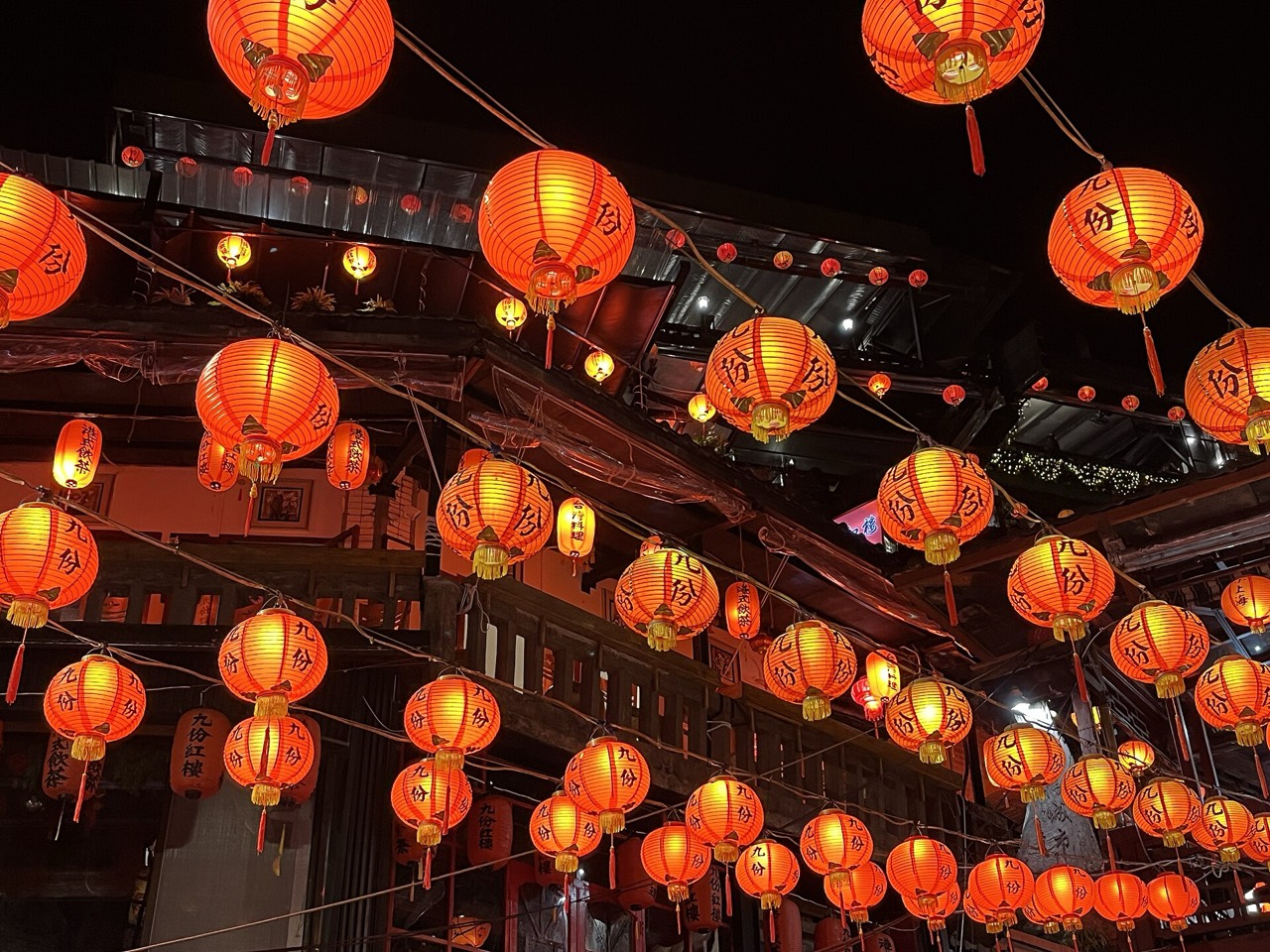
Jiufen is the essential one: a gold-rush hill town an hour east, its stacked teahouse lanes glowing with red lanterns at dusk — pair it with the waterfall and sky lanterns of Shifen on the same line, and time your teahouse seat for late afternoon as the day-trippers drain away. Tamsui, at the red line’s northern end, does riverside sunsets, colonial forts and grilled squid for the price of a metro ride. Yangmingshan national park puts volcanic craters and hot-spring hikes forty minutes from the Red House, and Wulai, the Atayal indigenous township in a gorge to the south, stacks river scenery, a scenic mini-railway and free riverside hot-spring soaking into the gentlest full-day escape. And the high-speed rail opens the whole west coast — Tainan, the food-obsessed old capital, is 90 minutes and worth an overnight; Kaohsiung, with its own harbourside gay scene and a Pride of its own, closes the loop for a longer Taiwan swing.
The perfect queer weekend in Taipei
Friday. Land at TPE, MRT into town, drop bags in Ximending. First beef noodles of the trip, then the Red House plaza from 9:30pm: mojito and drag at Café Dalida, a terrace-hop through The Garden and Saloon, and — depending on appetite — either Locker Room’s late show or a quiet theatrical nightcap at Hanko 60. Walk home. That’s the point of sleeping in Ximending.
Saturday. Temple morning: Longshan’s incense and fortune blocks, the Bopiliao lanes, herb-market browsing. Red line north to Beitou after lunch — Thermal Valley, the Hot Spring Museum, a private soak for two — then back south to climb Elephant Mountain for the golden-hour 101 panorama. Dinner is Raohe night market (start with the pepper buns at the gate). Then the big night: pre-game at a convenience store like a local, Fairy Bar or Hero Bar for drag and go-gos, and G*Star from midnight until your legs file a complaint. Taxi home; they’re cheap.
Sunday. Soy-milk breakfast among the taxi drivers, then choose your recovery: the National Palace Museum and Dadaocheng’s tea streets for culture, or Aniki’s pools and steam for the other kind (it’s open all day; Ningxia market next door solves dinner). Mango shaved ice somewhere along the way is non-negotiable in summer. Evening flight out, or — the better decision — one more night and a Monday teahouse in Jiufen.
TL;DR: the practical machinery
Getting in
Most Western passports (US, UK, EU, Canada, Australia and more) enter Taiwan visa-exempt for 90 days — no forms, no fees; just check your passport has six months’ validity. Taoyuan airport (TPE) connects to town by a direct MRT line in 35–40 minutes; the smaller Songshan airport, ten minutes from Zhongshan, handles regional hops including Tokyo and Seoul. No firewall, no app preparation, no payment set-up homework — land, buy an EasyCard, go.
When to come
October to April is the sweet spot: warm, drier, and bracketed by Pride at one end and cherry blossoms at the other. Summer (June–September) is hot, soupy and typhoon-season — entirely doable, since half of life is air-conditioned or underground, but watch forecasts and buy travel insurance that covers weather disruption. Lunar New Year shuts small businesses for about a week; the city goes quiet rather than closed.
Money, phone, safety
Cards and contactless cover most spending; keep cash for night markets and small bars, and refill at any convenience store ATM. Local SIMs and eSIMs are cheap, instant and unrestricted. Safety is about as good as cities get — the honest risk list is scooters at crossings, summer typhoons and the occasional earthquake tremor (Taiwanese buildings are engineered for them; follow locals’ lead and don’t panic). Tipping doesn’t exist. Emergency numbers: 110 police, 119 ambulance/fire.
Trans travellers: Taipei is, practically speaking, the easiest city in Asia — visible trans and non-binary people in daily life and nightlife, no ID theatre at hotels or venues, and a scene that has had high-profile trans figures for decades. (Taiwan’s own legal-gender rules remain imperfect for residents, but they don’t touch visitors.) Our trans travel guide covers the mainland side of the comparison.
Slotting it into a bigger trip
Taipei pairs naturally with the mainland circuit rather than competing with it: direct flights link it to Hong Kong in under two hours and to every major mainland hub, and the contrast is half the education — do Shanghai or Chengdu first and Taipei reads as the exhale; do Taipei first and you’ll pack better instincts for everywhere else. Honeymooners: this is also the one city in this guide where the trip can be openly romantic start to finish — our honeymoon guide leans on it accordingly.
The bottom line
Every queer traveller in Asia eventually has the Taipei conversation — the one where someone says you don’t understand, the crossing is painted rainbow, the bars are outdoors, nobody looks twice — and every listener assumes exaggeration until they stand in the Red House plaza on a Saturday night with a mojito from Dalida and 25 bars humming around them. It isn’t exaggeration. Taipei is the proof-of-concept city: evidence that a Chinese-speaking society can hold marriage equality, drag on public terraces, saunas with street signage and the region’s biggest Pride, all while remaining the gentlest, best-mannered metropolis you’ll ever ride a metro in. Come for the exhale; stay for the beef noodles; leave arguing about when you can move here.


