
Canton, on its own frequency
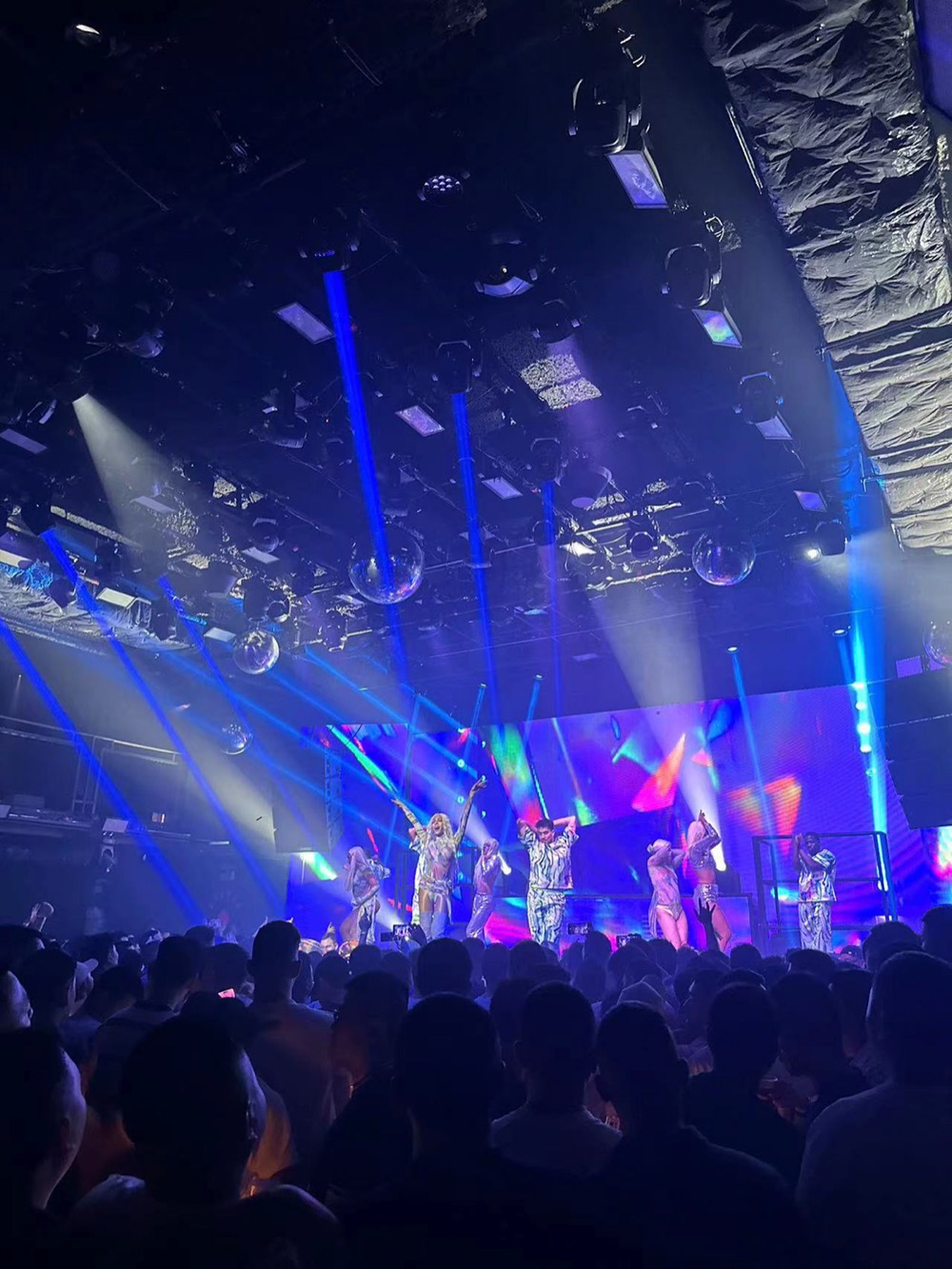
Guangzhou never auditions for you. Beijing performs empire, Shanghai performs glamour, Chengdu performs ease — and Guangzhou, the two-thousand-year-old trading city the world once knew as Canton, just gets on with lunch. It is China’s third city and arguably its most underrated queer stop: no rainbow quarter, no legend on the door, but a big, wealthy, migrant-fuelled metropolis where the operating principle is 各有各做 — everyone minds their own business — and where, on a Saturday night in Tianhe, a drag queen is dropping into the splits in front of eight hundred people inside a shopping mall.
That contrast is the whole city. Guangzhou’s gay scene is smaller than Chengdu’s and quieter than you’d expect for a metro area of eighteen million, but what exists is confident, current and unusually well-organised — anchored by Sister Club, the room routinely called the best gay club in southern China, and documented in real time by the Greater Bay Area’s own queer media. And everything sits one high-speed-rail hop from Hong Kong, which changes the maths of a whole trip: base here for the food and the prices, day-trip there for the saunas and the pride flags. This guide is the long version, cross-checked against Chinese platforms and the regional queer press as of July 2026; the short version with the venue map lives on our Guangzhou city hub.
Being gay in Guangzhou: the questions everyone asks
Is Guangzhou actually gay-friendly?
Friendly in the southern, transactional, nobody’s-watching-you way. This is a city built on trade and migration — half the people you meet came from somewhere else — and that churn creates genuine social room: nobody at the congee stall cares who you came in with. There’s no visible gay district and less street-level queerness than Chengdu, but the venues that exist run proud, loud programming (drag and go-go shows are the standard weekend format across every club in this guide), and same-sex couples will hit zero friction in hotels, restaurants or taxis. The calibration is the standard mainland one from our safety explainer: discretion outside, freedom inside.
How does Guangzhou compare with Hong Kong, an hour away?
Think of them as one queer weekend with two speeds. Hong Kong has the saunas, the pride events, the out-and-proud bar streets; Guangzhou has the mainland intimacy — cheaper everything, warmer crowds, shows with more glitter per square metre — and a fraction of the tourists. The high-speed train does Guangzhou South to Hong Kong West Kowloon in about 48 minutes, so plenty of GBA locals genuinely treat the two scenes as one circuit. If your trip allows it, do both and you’ll understand southern Chinese queer life better than either city alone could teach you.
Which part of town should I base myself in?
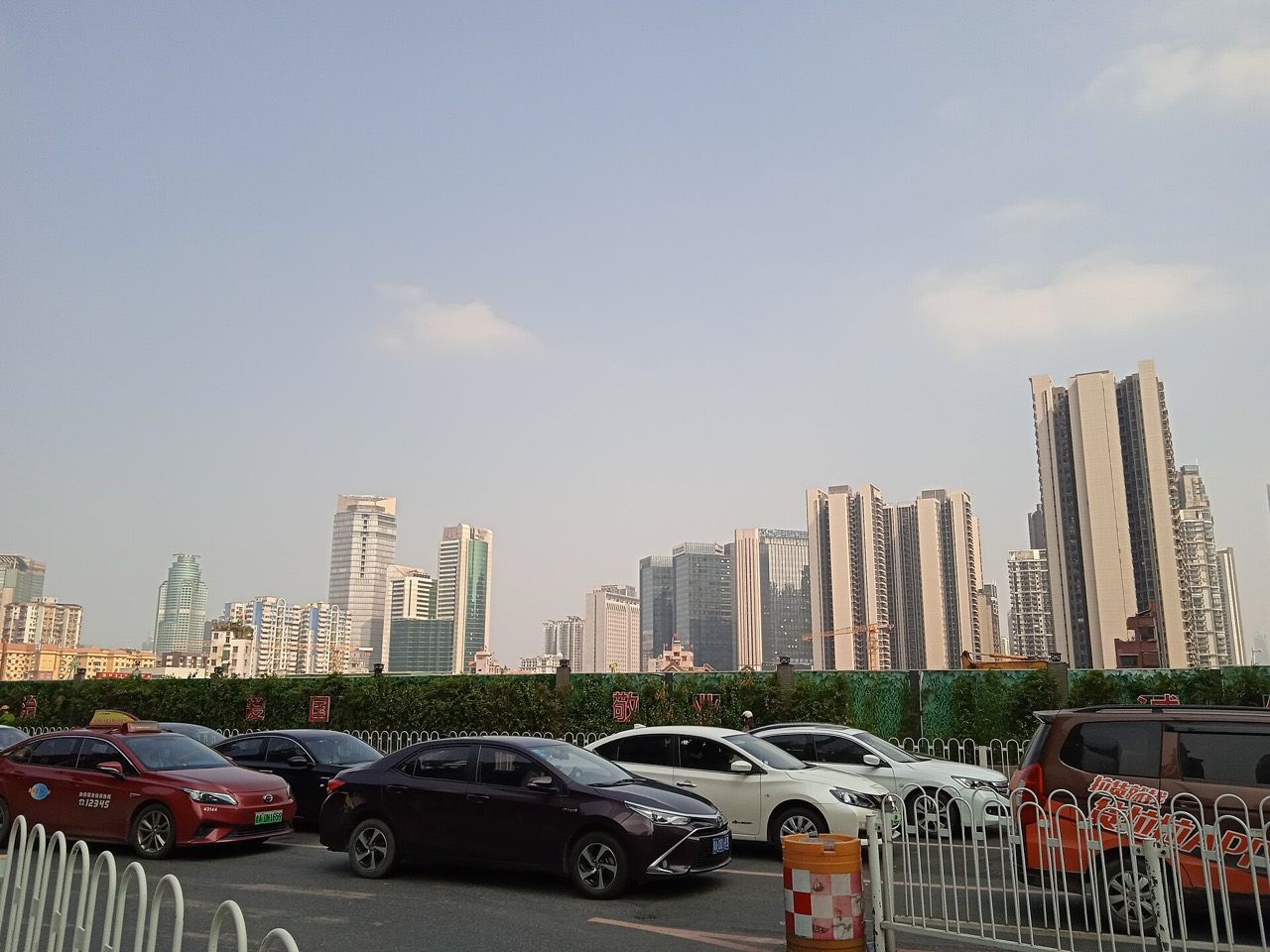
Tianhe District, no hesitation. Uniquely among mainland scenes, every venue in this guide is in or beside it: Sister Club at the Utopa mall by the Olympic Centre, PARK and Wow in central Tianhe, the queer-friendly cocktail bars scattered between. Sleep in Zhujiang New Town (the polished CBD half of Tianhe, where the international hotels cluster) and you’re ten to twenty minutes by Didi from every door that matters, with the Canton Tower across the river for your morning view. The old town — Liwan, Shamian, the arcaded lanes — is where your daytimes belong, but it goes quiet by ten.
What are the apps, and do they work?
Standard mainland mechanics: Blued (international version: HeeSay) is the local grid and the scene’s noticeboard, dense across Tianhe and unusually responsive to visitors — Cantonese boys are direct. Grindr and all Western apps are blocked on local networks; a travel eSIM solves that plus Google and Instagram in one purchase (the apps guide has the full rundown). One regional bonus: follow @greatergayarea — the Guangdong–Hong Kong–Macau queer guide project running since 2023 — before you fly; it’s the closest thing the region has to a listings magazine and posts venue updates in English.
Are there any regular parties or events?
The weekend show circuit is the calendar: drag-into-go-go at Sister Club every Saturday (often Fridays too), the same format in miniature at Wow and PARK, and pop-up drag brands — Colorful Secrets is the name that kept surfacing in 2025–26 regional coverage — renting mainstream rooms for one-off nights announced on WeChat and Instagram days ahead. No Pride, no festival, nothing on a poster: treat Blued, @greatergayarea and the bar staff as your listings page, and keep one weekend night flexible.
Anything for queer women?
Honestly thin, and we won’t pretend otherwise: Guangzhou’s dedicated lesbian bars belong to an earlier era — the addresses still floating around Chinese forums date from the late 2000s, and nothing currently verifiable has replaced them. The practical answer in 2026 is the mixed rooms (Sister Club’s crowd is genuinely mixed on show nights, and the cocktail bars below are comfortable for everyone) plus the app-organised women’s pop-ups that surface on WeChat. If you confirm somewhere real and current, tell us — we’d love to be wrong here.
Do I need Cantonese?
No — but bring three words of it and watch doors open. Guangzhou runs bilingually: Mandarin works everywhere, Cantonese is the city’s heart language, and English gets thin outside hotels and the big clubs’ door staff. On the apps and the dance floor, one word does disproportionate work: 靓仔 (leng zai, “handsome boy”) — the universal Cantonese hello, compliment and flirt, deployable by anyone at anyone. And here’s a linguistic party trick for the smoking terrace: the mainland slang for gay — 基 (ji), as in 基友 — entered Mandarin through Cantonese, which borrowed it from the English word decades ago. The whole country flirts in Canton’s loanword.
Where the scene lives: gay Guangzhou’s geography
One district, three coordinates:
The Olympic Centre pocket (east Tianhe). The anchor tenant of gay Guangzhou sits, improbably, inside the Utopa mall on Aoti South Road by the Olympic sports complex — that’s where Sister Club (LAHO Spacetime) throws the biggest queer nights in southern China. It’s a 20–25 minute Didi from Zhujiang New Town; nothing else queer is walkable from it, which tells you how this city works — destinations, not districts.
Central Tianhe. The support acts cluster around the Tianhe North / Times Square / Tianhe Xintiandi blocks: PARK Club on the third floor of Tianhe Xintiandi, Wow Club at Times Square, Fat Boi pouring cocktails on Guanghe Road. This is also the shopping-and-metro heart of the modern city, so pre-dinner, drinks and the club sit within one taxi zone.
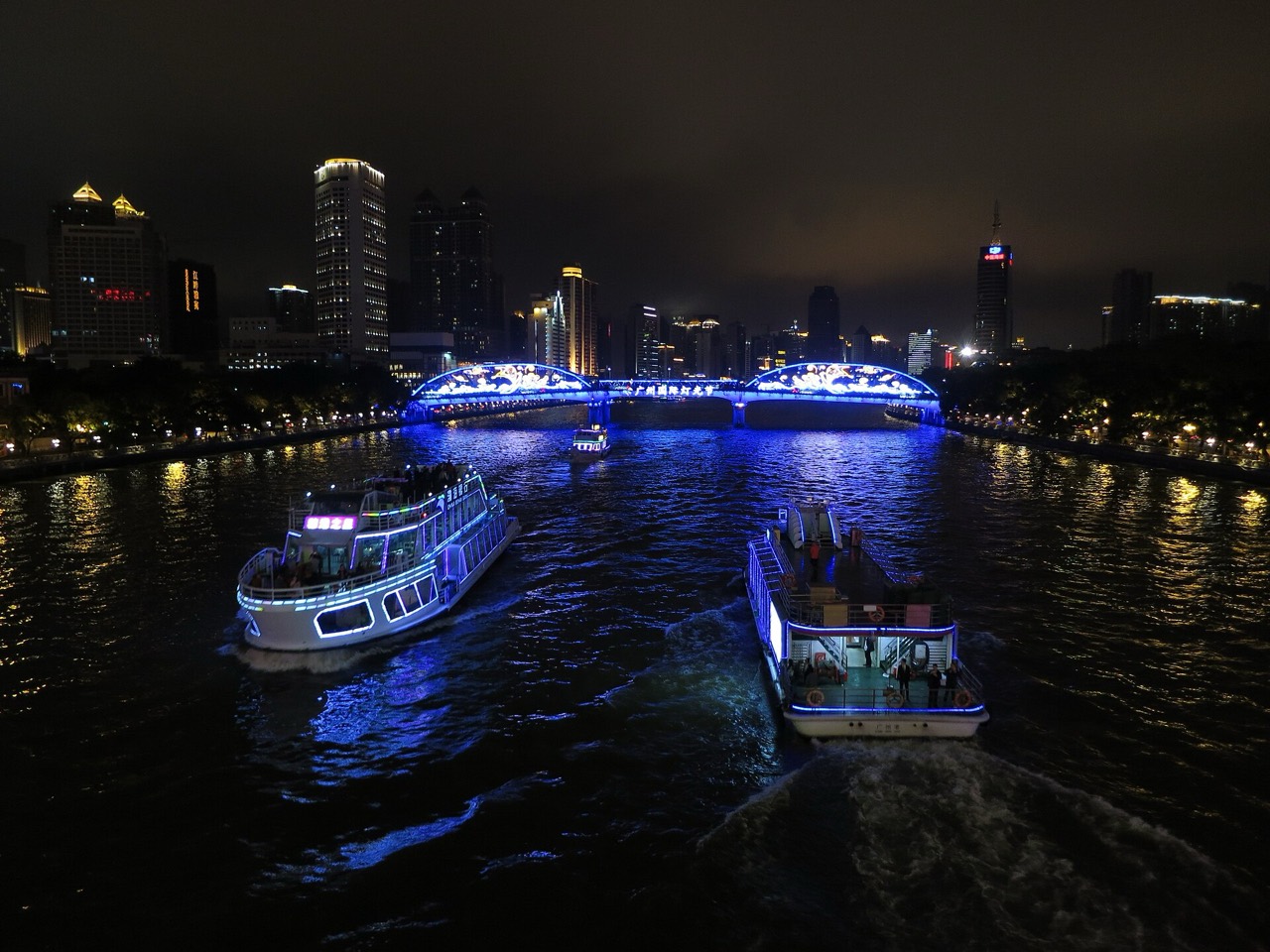
The riverfront. COCOA XO’s rooftop looks over the Pearl River from Tiande Plaza on Linjiang Avenue, a short hop from the Canton Tower — the sundowner coordinate before the night turns serious. Across the water and west along the river you’re into old Canton: Shamian Island, the Liwan lanes, and everything in the daytime section.
Distances, in Didi terms: Zhujiang New Town to central Tianhe, 10 minutes; to the Utopa mall and Sister Club, 20–25; to the old town and Shamian, 25–30 across the river. Nothing queer is walkable from anything else — accept the ride-hailing life, at ¥15–30 a hop, and it stops mattering.
Every venue below is pinned on the interactive map on our Guangzhou hub — load it once you’ve picked a hotel.
The clubs
Sister Club / LAHO Spacetime (离火时空) — the southern heavyweight
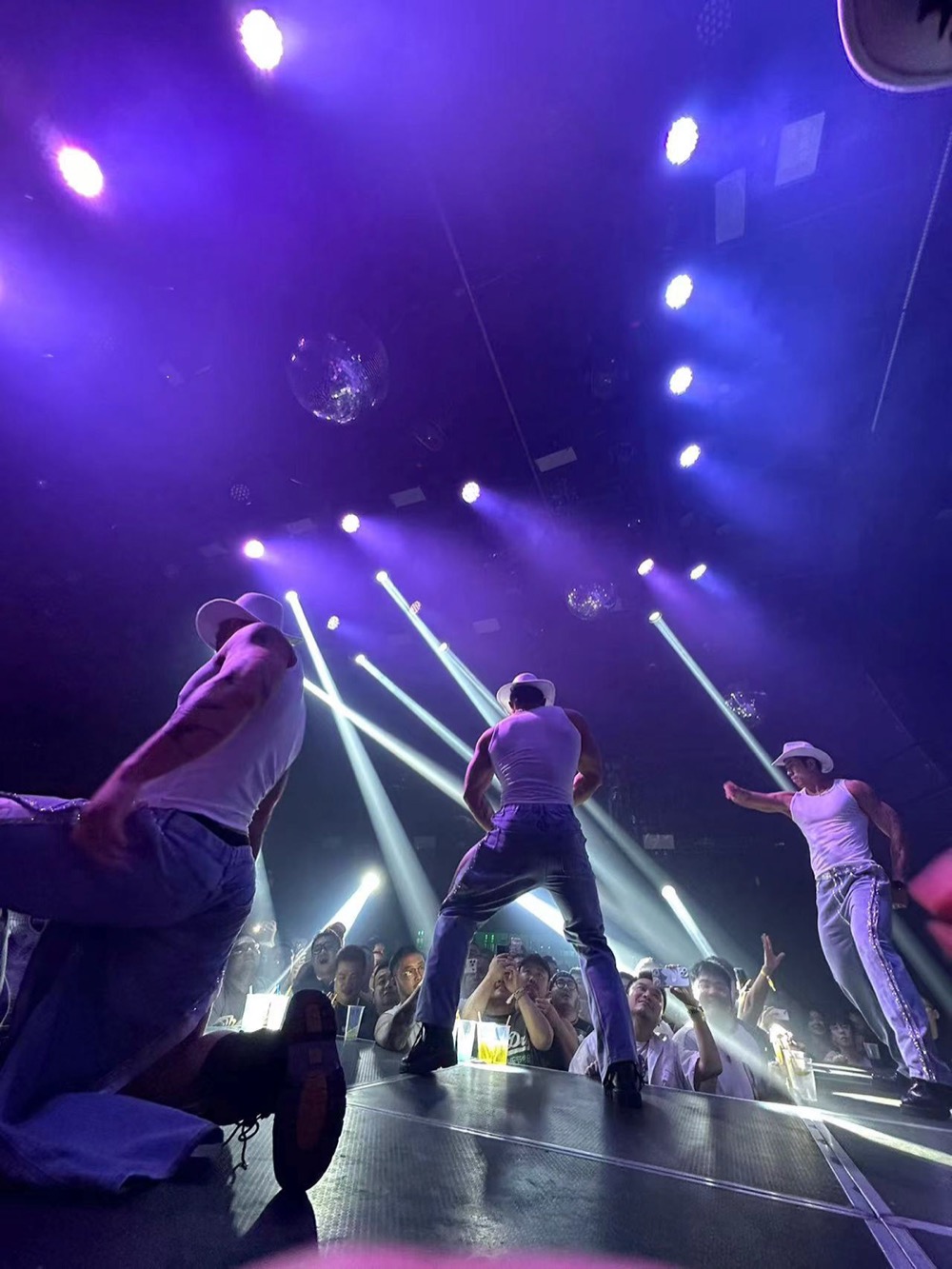
Whatever name you find it under — it launched as Sister Club and now operates as LAHO Spacetime (离火时空), with the party brand living on as @sisterdanceparty — this is the room that justifies the trip: the club regional and international visitors alike keep calling the best gay club in South China. The formula on a Saturday (and often a Friday) is maximal: a full drag revue giving way to go-go boys in cowboy hats working a thrust stage, production lighting a mid-size European city would envy, and a mixed, up-for-it crowd that packs the floor from eleven until very late. Cover runs about ¥125 with a cocktail included — and the drinks are famously not weak, which after Beijing feels like a public service. Find it inside the Utopa mall at 奥体南路12号 (paste 优托邦 奥体中心 into Didi); doors 10pm, shows around midnight. Programming was running strong through 2026 at the time of writing — its Instagram is the live schedule. Full venue detail: our Sister Club page.
PARK Club — the young local room
PARK (3rd floor, Block A, Tianhe Xintiandi, 天源路5号) is the cosier counterweight: a smaller floor, a noticeably younger and more local crowd, and the same drag-and-go-go grammar delivered at conversational scale — you can actually meet the person you’ve been trading glances with. The scene’s own habit is to start here, then carry the night east to Sister when the big show calls. Door details are thinly published, so glance at its socials or ask on Blued before building your night around it.
Wow Club — the grown-up room
Wow, on the ground floor of the Times Square west tower (天河北路), is where the settled crowd drinks: thirties-and-up locals, less shrieking, same weekend drag-into-go-go arc as everywhere else in town. It’s a long-running fixture rather than a hype room, which in a scene this compact is its own recommendation — and it makes the natural middle stop on a Tianhe crawl. As with PARK, published hours are vague; confirm on the night.
The bars: drinks first, shows optional
Fat Boi (广和路60号, 8pm–2:30am daily) is the queer-friendly cocktail room — a relaxed, well-made-drinks kind of place with pop-up drag landing at unpredictable and delightful intervals. It’s the right first stop of a night, and the right whole evening on a Tuesday. COCOA XO stacks the same energy on a rooftop: fourth floor of Tiande Plaza on the riverfront (临江大道391号), drag and go-go sets with the Canton Tower glittering behind the stage — sundowners here, then a Didi to Tianhe, is the connoisseur’s sequencing. The W Guangzhou’s Fei Bar, long the hotel-bar of choice for pop-up queer nights, was listed as temporarily closed as of mid-2025 — check before you dress for it. And keep expectations calibrated for the names you’ll see in older guides (The One, Play Bar, Black Pearl and friends): they surface in local listings without reliable current detail, so treat them as Blued-verified spontaneity rather than plans.
The night-out playbook
Time it southern. Guangzhou eats late and goes out later: dinner at nine, first drink at ten-thirty, Sister’s show around midnight, and the honest end of the night is a bowl of congee at three. Nothing worth wearing your good shirt for happens before eleven.
Weekends are the scene. More than Chengdu, more than Shanghai: the clubs here are Friday–Saturday engines (Sister sometimes doesn’t bother opening midweek). Plan the queer half of your itinerary around one weekend and give the weekdays to the old town and the food.
Check Meituan/Dianping first for drink vouchers as everywhere on the mainland, and expect the door mechanics from our nightlife etiquette guide: free-ish doors or cover-with-drink, tables via promoters, phones politely away from strangers’ faces — Guangdong crowds skew private, and plenty of the boys at Sister work for state employers Monday morning.
Dress code: effort optional, air-con mandatory. Guangzhou clubs are come-as-you-are by mainland standards — shorts pass in summer — but the rooms are refrigerated against the subtropics, so the vest-only look costs you at 2am. A light layer earns its place in the coat check.
Getting home is trivial: Didi runs all night and a cross-Tianhe ride is pocket change (set-up guide); the metro itself shuts around 11:30pm. Carry your passport photo page, drink the good cocktails, skip anything stronger — mainland clubs mean it.
Saunas, spas and the honest word
We’ll save you the wasted evening: Guangzhou’s once-real gay bathhouse scene has effectively vanished from public view. The listings still circulating on old directories date back years (the best-documented house, HuTong Sauna, closed as far back as 2017), nothing currently verifiable has replaced them, and we won’t print an address we can’t stand behind. If steam matters to your trip, the answer is one hour away: Hong Kong has the region’s established sauna scene, and the 48-minute train turns it into a genuine day-return (our Hong Kong hub and the regional saunas guide take it from there — and read the bathhouse etiquette guide first if you’re new to Asian houses). In Guangzhou itself, redirect the impulse to the hotel-spa tier — the Mandarin Oriental’s spa is spoken of as one of Asia’s best — and to the city’s ubiquitous, entirely mainstream foot-massage houses, which are open past midnight and exactly as innocent as they look.
A quiet pedigree
Guangzhou wears its queer history the way it wears everything — without fuss. This is the city whose airwaves and video halls carried Hong Kong’s Cantopop culture into the mainland, Leslie Cheung and all, decades before the internet; the metropolis whose migrant anonymity made it a place queer Cantonese could disappear into and become themselves. It’s also the birthplace of GZTZ.org, one of mainland China’s earliest gay community websites, born in the late 1990s when a Guangzhou URL was the closest thing southern China had to a gay bar with the lights on — its name still circulates as shorthand among older locals. None of this is on a plaque anywhere. It’s in the ease of the crowd at Sister on a Saturday, which is its own kind of monument.
Where to stay
Guangzhou’s five-star maths is almost as silly as Chengdu’s, with one seasonal asterisk: during the Canton Fair (roughly mid-April to early May, and mid-October to early November) the whole city’s hotel prices double or worse — check the fair dates before you pick a week. The full ranked list lives in our Guangzhou hotels guide; the short version: the W Guangzhou in Zhujiang New Town is the party-luxury pick with the brand’s usual queer-comfortable DNA (and it’s the address every Didi driver knows); the Mandarin Oriental off Tianhe Road is the grown-up choice with that spa; and Hotel Indigo Haixinsha owns the view — an island perch with the Canton Tower filling your window. Same-sex couples booking one bed is a non-issue everywhere on this list; Trip.com reads mainland inventory best.
Daytime Guangzhou: two thousand years before lunch
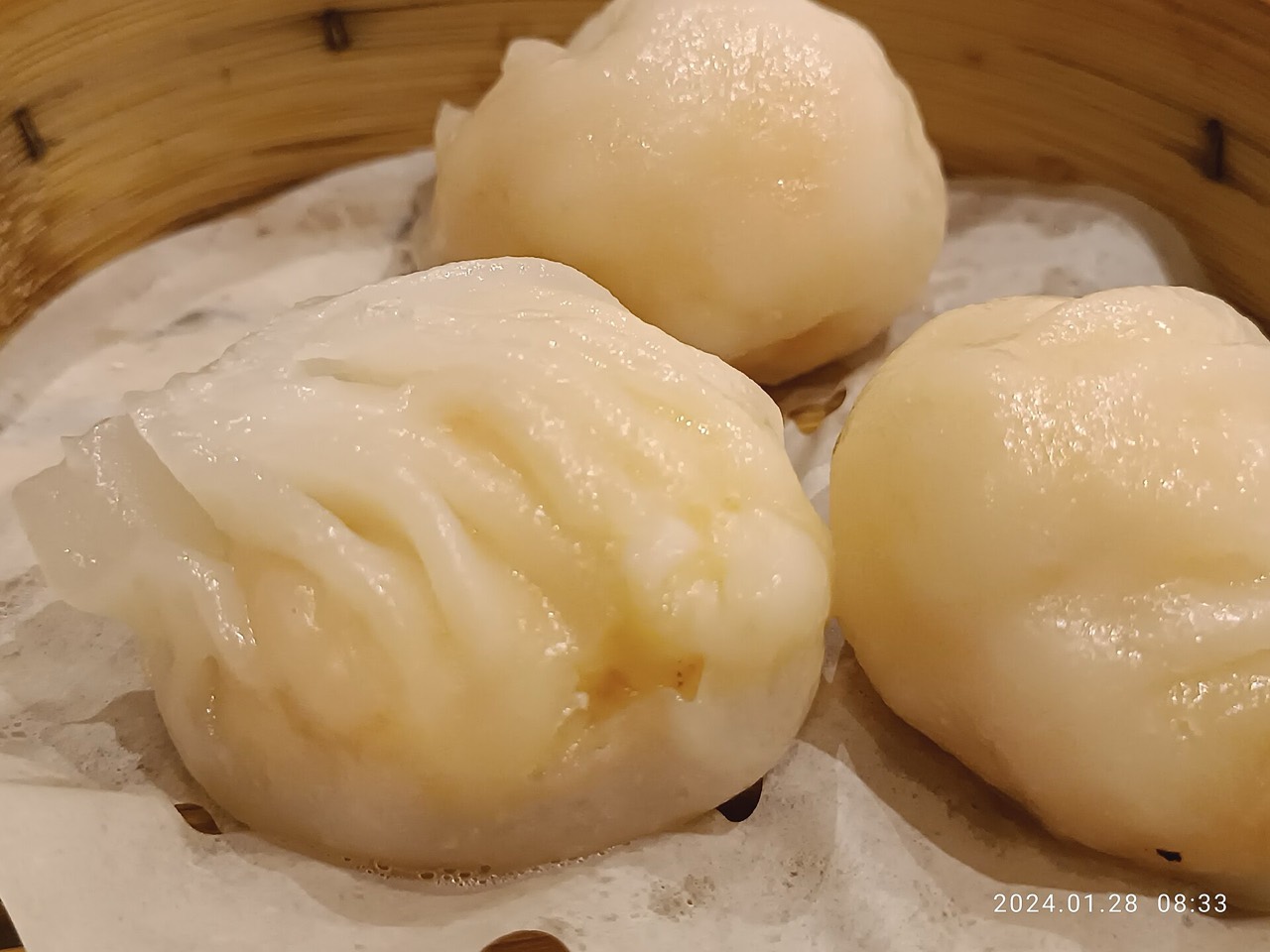
Start with yum cha, properly. Morning tea is Canton’s civic religion: claim a table at a heritage teahouse — Taotao Ju and Guangzhou Restaurant are the storied names, Dian Dou De the reliable everywhere-chain — and learn the liturgy of 一盅两件, “one pot, two baskets”: tea poured for others first, two fingers tapped on the table in thanks, and a running scorecard of har gow, siu mai and cheung fun stamped onto your table card. Go at 9am with the retirees and newspapers; it’s the single most Cantonese hour available for money.
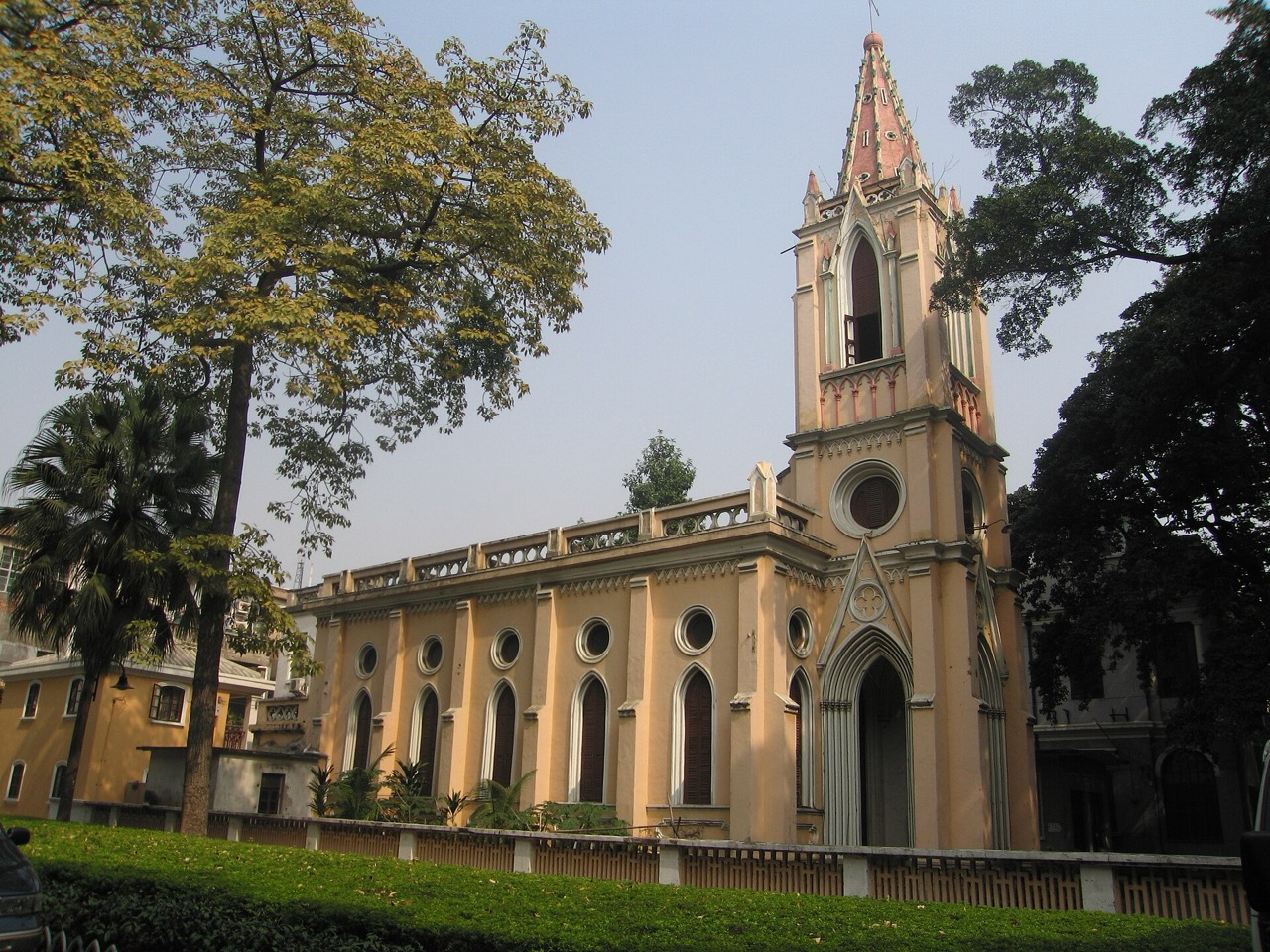
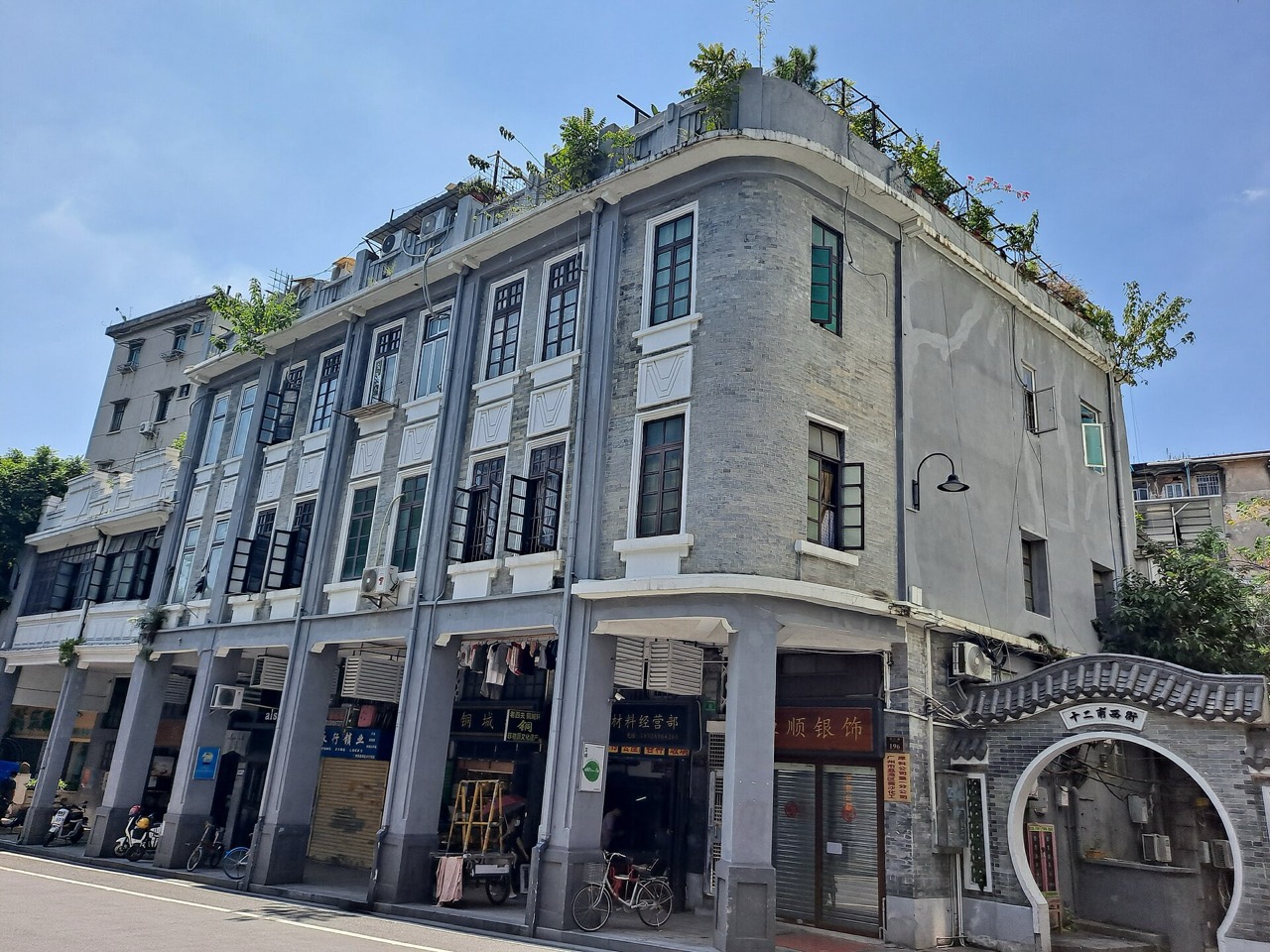
Walk old Canton. Shamian Island is the preserved treaty-port quarter — banyan avenues, neoclassical facades, absurdly photogenic; pair it with the flamboyant twin-spired Sacred Heart Cathedral, built by French masons from granite and nicknamed the “Stone House”. Then give an afternoon to Enning Road and Yongqingfang, the restored arcade-house (骑楼) lanes of Liwan — Cantonese opera drifting from the opera museum, Bruce Lee’s ancestral home tucked in a side alley, and the city’s best aimless wandering. Chen Clan Ancestral Hall is the flourish: the most extravagantly ornamented building in Guangdong, its roof ridges a riot of ceramic opera scenes.
Do one big vertical and one big green. The Canton Tower is the world’s campest piece of civil engineering — a 600-metre hourglass that spends its evenings cycling through rainbow lightshows (we did not stage the hero image of this guide; she does that herself, nightly). Go up at sunset or admire her from a Pearl River night cruise, the rare tourist ritual that earns its ticket. For the green: Yuexiu Park and the Five Rams statue, the city’s founding myth in granite, with the Ming city wall mouldering romantically behind.
Round out the centre. Beijing Road is the pedestrianised retail canyon with a surprise under your feet: glass panels in the pavement revealing thousand-year-old road surfaces from the Song and Ming, layered like a civic lasagne. Ten minutes away, the Guangdong Museum (the black-and-red lacquer box in Zhujiang New Town) does the region’s story properly, with Zaha Hadid’s pebble-smooth Opera House next door for architecture pilgrims. And when the density gets to you, Baiyun Mountain is the city’s lung: cable car up, milky-cloud views over eighteen million people, and pensioners practising opera in the pavilions.
Eat like Canton wants you to eat
食在广州 — “eating is in Guangzhou” — is the least contested slogan in China. Beyond the yum cha ritual above, the canon runs: roast goose and the whole lacquered siu mei pantheon, hung in windows like edible stained glass; claypot rice (煲仔饭), best in winter when the scorched-rice crust crackles; wonton noodles in shrimp-roe broth at scuffed Liwan institutions; slow-simmered old-fire soups that Cantonese families treat as preventative medicine; and 糖水 dessert houses — sesame paste, double-skin milk, mango sago — open exactly as late as your post-club sweet tooth requires. Breakfast beyond the teahouse means cheung fun pulled to order from cloth-lined steamers and doused in sweet soy, or a bowl of wonton mian stood up at a counter. Lunch canon: white-cut chicken with ginger-scallion oil, the dish by which Cantonese grandmothers judge all kitchens, and 烧味 rice plates that cost less than your metro card top-up. The scene’s own 3am tradition is congee: 艇仔粥, “boat congee”, silky and restorative. And if food is genuinely why you travel, note that Shunde — the UNESCO gastronomy district that taught Canton to cook — is under an hour away and worth building a day around. Menu strategy and dish characters: our China food guide.
Day trips: the Greater Bay buffet
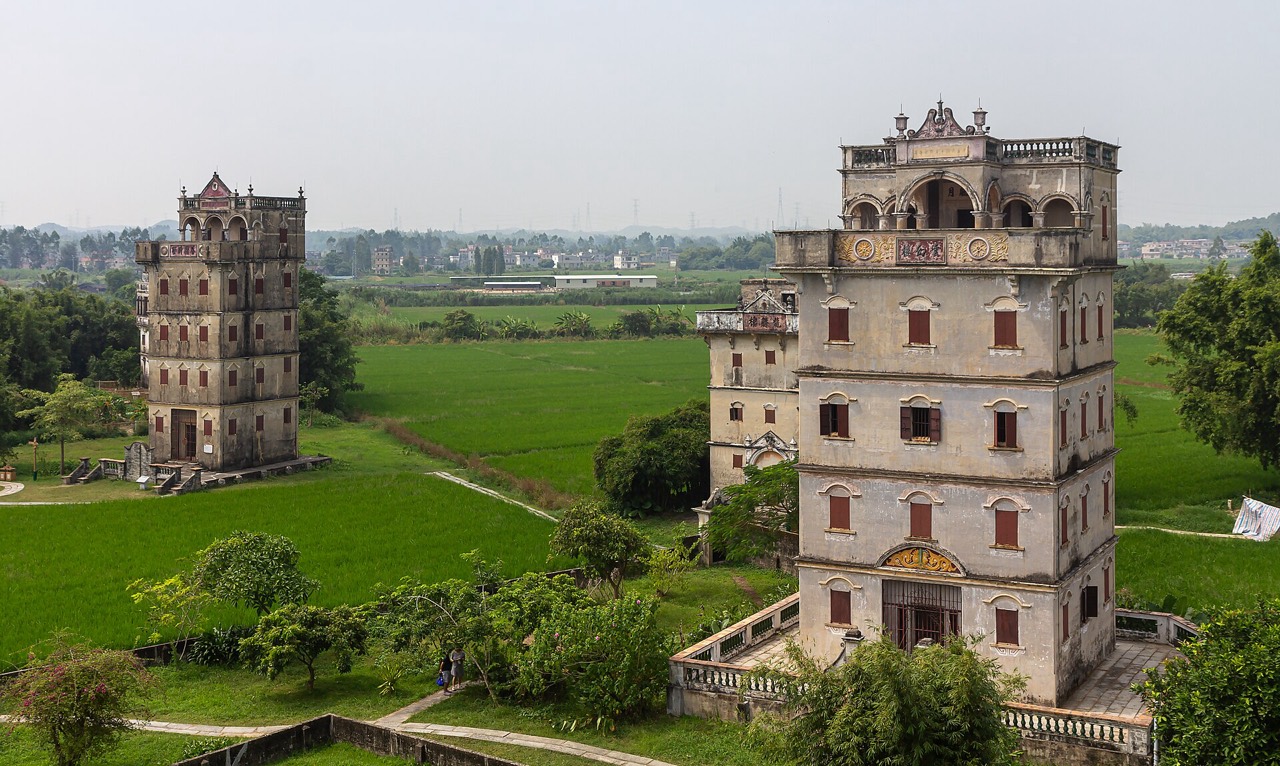
Guangzhou South station is the busiest high-speed hub on earth, and it makes the whole delta yours: Hong Kong in 48 minutes (the queer day-trip — saunas, bar streets, then the last train home; our Hong Kong hub has the map), Shenzhen in half an hour for the mainland’s youngest, techiest city, Foshan in twenty for the Ancestral Temple, wing chun lore and even better claypot rice, and — the sleeper pick — the Kaiping diaolou about ninety minutes out: surreal fortified towers built by returning Cantonese emigrants, UNESCO-listed and gloriously unbusy. Foshan deserves the extra sentence: the Zumiao temple complex bundles Cantonese opera, lion-dance lore and the Ip Man and Wong Fei-hung halls into one compound, and the 祖庙 metro ride from Guangzhou takes about forty minutes door to door — no rail ticket needed. More in the day-trips guide.
The perfect queer weekend in Guangzhou
Friday: land, drop bags in Zhujiang New Town, sundowners on COCOA XO’s rooftop as the Canton Tower lights up, late dinner of claypot rice in Tianhe, first drink at Fat Boi, and — if Sister is running a Friday show — a Didi east for the midnight revue. Saturday: yum cha at nine with the retirees (order har gow, cheung fun, phoenix claws; tap your thanks), Shamian Island and the cathedral before the heat, Enning Road and Yongqingfang until the light goes gold, foot massage, nap — you’ll need it — then the full Sister Club Saturday: doors at ten-thirty, show at midnight, congee at three. Sunday: sleep late, then choose your recovery — Baiyun Mountain’s cable car and cloud views, the Guangdong Museum in the air-con, or the 48-minute train to Hong Kong for a sauna afternoon and dinner in Central before the last train home. Stretch it to Monday and give the day to Kaiping’s towers or Shunde’s kitchens.
TL;DR: the practical machinery
When to come
October to December is the golden window — dry, warm, blue; March–April is the humid-but-pleasant second choice. May through September is a steam room with typhoons. Avoid the Canton Fair weeks (Apr–May, Oct–Nov) unless you enjoy paying double for beds, and Lunar New Year, when the migrant city goes home and half the doors shut — trade-offs in our holiday-crowds guide and best-time guide.
Getting in and around
Baiyun (CAN) is the intercontinental gateway (Metro Line 3 or ~45 minutes by taxi to Tianhe); rail arrivals funnel through Guangzhou South. The usual mainland toolkit applies — 30-day visa-free for a long passport list, 240-hour transit for most others (check yours); Alipay or WeChat Pay configured before you fly (set-up guide); a travel eSIM for the firewall (what’s blocked); metro plus Didi for everything on the ground. First-night choreography: your first 24 hours in China.
Safety, health, money
Big, lit, orderly and statistically kinder to a 3am walker than almost any Western city; your genuine risks are humidity and overordering. LGBTQ+ texture is in the safety explainer, emergencies in the emergency guide (police 110, ambulance 120). No tipping, anywhere, ever. Budget-wise Guangzhou runs cheaper than Shanghai and Beijing for everything except Fair-season beds — full numbers in what a gay China trip costs, and slot the city into the rail circuit or the two-week itinerary between Chengdu and Hong Kong, where it belongs.
The bottom line
Guangzhou is the queer trip for people who’ve stopped needing the trip to perform for them. It won’t hand you a gaybourhood or a festival; it hands you har gow at nine, two thousand years of city before dinner, and — inside a mall by the Olympic stadium, of all places — the best drag-and-go-go night south of Chengdu, priced at one round of London drinks. Add the hour-away escape hatch of Hong Kong and you have southern China’s most complete queer weekend hiding in plain sight. Canton doesn’t audition. Come anyway; the table’s already set, and somebody’s tapping two fingers on it, pouring your tea.


