
Shanghai: the comeback city that never quite left
Every gay traveller who knew Shanghai in the 2010s tells the same story with the same wistful pause. Back then this was “China’s gay capital” without argument — a Pride festival that ran eleven years, an institution of a bar (Eddy’s) that had poured drinks since 1995, and a French Concession bar crawl you could lose a whole weekend to. Then came 2020: Pride cancelled, the old bars folding one by one, the scene pulling indoors. If you arrive expecting a ghost town, though, you’ll be happily wrong. What Shanghai has now is smaller and quieter but genuinely alive — a serious queer-leaning club with world-class bookings, the country’s most famous drag-and-glitter party, a bear bar down a lane, and a ballroom in Hongkou where gay men in their seventies still waltz on weekend evenings. Nobody flies here just for the scene any more, the way they fly to Chengdu. They fly here for China’s most electric city — and find the scene folded elegantly inside it.
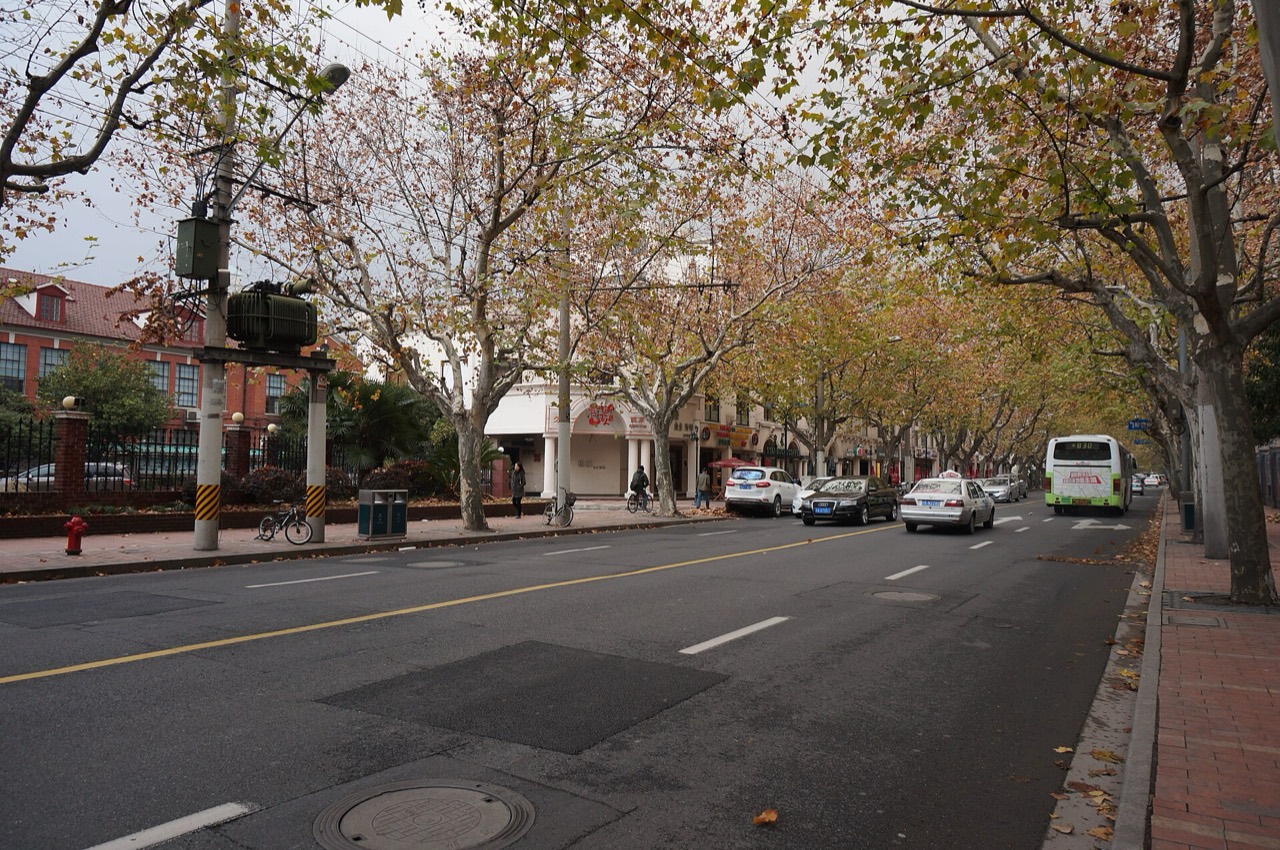
And the city itself remains the easiest place in mainland China to simply exist as a queer person. Shanghai is vast, worldly and gloriously indifferent; it has seen everything twice and photographed it for 小红书. Walk the plane-tree streets of the former French Concession holding your coffee and your boyfriend’s hand loosely, and you are — as our own long-read puts it — in the city that exhales.
This guide is the long version, checked against Chinese and expat platforms (SmartShanghai, Dianping, kdclub, Weibo) as of July 2026: what actually survived, what closed and why that matters, the lesbian story nobody updates in English, the honest word on saunas, where to sleep, and the machinery of the trip. Keep the Shanghai city hub open for the venue map.
Being gay in Shanghai: the questions everyone asks
Is Shanghai actually gay-friendly?
As friendly as mainland China gets in daily life, and more cosmopolitan about it than anywhere else in the country. This is a city of 25 million that runs on style, commerce and minding one’s own business; two men checking into one bed raises precisely zero eyebrows, and the international crowd means English works in most of the places this guide sends you. What Shanghai no longer offers is institutional queer life — the festivals, the NGO scene, the dozen dedicated bars — which contracted sharply after 2020. The result is a city that’s easy to be gay in but takes a little knowledge to be gay out in. That knowledge is the rest of this page.
What happened to Shanghai Pride?
ShanghaiPRIDE was the mainland’s flagship LGBTQ+ event — eleven editions from 2009, film screenings, fun runs, rooftop parties — until August 2020, when organisers announced they were cancelling all future activities to protect their people. It has not returned, and nothing public has replaced it. The energy didn’t vanish; it moved into commercial nightlife (see Medusa, below) and private networks. We tell the fuller story, from the 1930s cabarets to the 2020 shutdown, in our queer history of Shanghai — worth ten minutes on the flight over, because this city’s queer past is deeper than any in China.
Which area should I base myself in?
The former French Concession — the leafy low-rise quarter southwest of the centre — and its Huaihai Road spine. Uniquely convenient here: the two clubs that matter, Potent and Culture Club, sit five minutes’ walk apart at the Concession’s eastern edge (TX Huaihai and Fuxing Park respectively), with Xintiandi’s restaurants and metro interchange in between. Stay anywhere from Xintiandi west to Changshu Road and you can walk to the entire current scene. Jing’an is the sleek central alternative one metro hop north; the Bund/Pudong is for skyline glamour, a 15–25 minute taxi from the nightlife; and dark-horse Hongkou on the north bank puts you near the old-school corner of the scene (Lai Lai, below) at gentler prices.
What are the apps, and do they work?
Same national picture as everywhere in China, with Shanghai’s twist being how international the grids feel: Blued (no VPN needed; sold abroad as HeeSay) is the backbone, and you’ll find more English-fluent, well-travelled profiles here than anywhere on the mainland. Tinder works with a VPN and has real queer traction in Shanghai; Grindr is patchy at best. The clean fix for all of it is a travel eSIM, which routes your data outside the firewall so Grindr, Instagram, Google and WhatsApp behave normally — details in the apps guide and Grindr-in-China explainer. Local profiles skew discreet — torsos and skylines — for family reasons, not lack of interest.
Are there any regular queer events?
One, and it’s a national treasure: Medusa Realness, running since 2016 and by common consent China’s most beloved queer party — a glitter-saturated night of house and techno rooted in ’80s–’90s New York club culture, with the city’s drag and voguing talent on full display. It roves (historically about monthly, most often at the club Elevator), announces on its own channels, and holds one golden rule: come in drag — any gender — and entry is free. Check our Medusa page and their socials for the next date and plan your weekend around it if you can. Beyond that, treat Potent’s channels and Blued as the noticeboard — events here are announced quietly and sell out fast.
What happened to the old gay bars?
Asked because you’ll find them all over older guides: Eddy’s Bar (the city’s oldest, opened 1995) is closed. 390 / Lucca 390: closed. Roxie, the much-loved queer women’s bar: closed June 2024, citing “forces beyond our control.” Club Masquerade: unverified for years — assume gone. The pre-2020 bar map is essentially a memorial wall now, which is exactly why this guide exists: what follows is only what we can stand behind in July 2026.
Where the scene lives: gay Shanghai’s geography
Modern gay Shanghai fits into three postcodes and one lane:
The Huaihai–Fuxing Park corner (Huangpu). The current centre of gravity, compact enough to cover on foot in ten minutes. Potent sits on the third floor of the TX Huaihai youth-culture mall at 淮海中路523号; around the corner inside Fuxing Park, the six-storey INS complex holds Culture Club on its fourth floor. Metro: South Huangpi Road or Xintiandi (Lines 1/10/13). This is the one part of town where a proper gay night out needs no taxi transfers.
The Concession proper (Xuhui/Changning). West along Huaihai Road, the scene dissolves into the neighbourhood that makes Shanghai Shanghai: brunch on Anfu Road, coffee under the plane trees on Wukang Road, and — down Lane 1950 off Huaihai in Changning — the bear-leaning Moon Bar. Daytime queer Shanghai lives here even where the venues no longer do.
Hongkou (the north bank). The unfashionable district across Suzhou Creek keeps the scene’s living history: the Lai Lai Dance Hall, the older generation’s weekend ballroom (a genuine institution — more below). If you want to stay nearby, the new Sofitel North Bund is the comfortable base.
Pudong (across the river). No gay venues — but the 58th-floor Flair rooftop and that skyline are the glamour bookends of any Shanghai weekend. Every venue below is pinned on the Shanghai hub map.
The clubs
Potent — the anchor
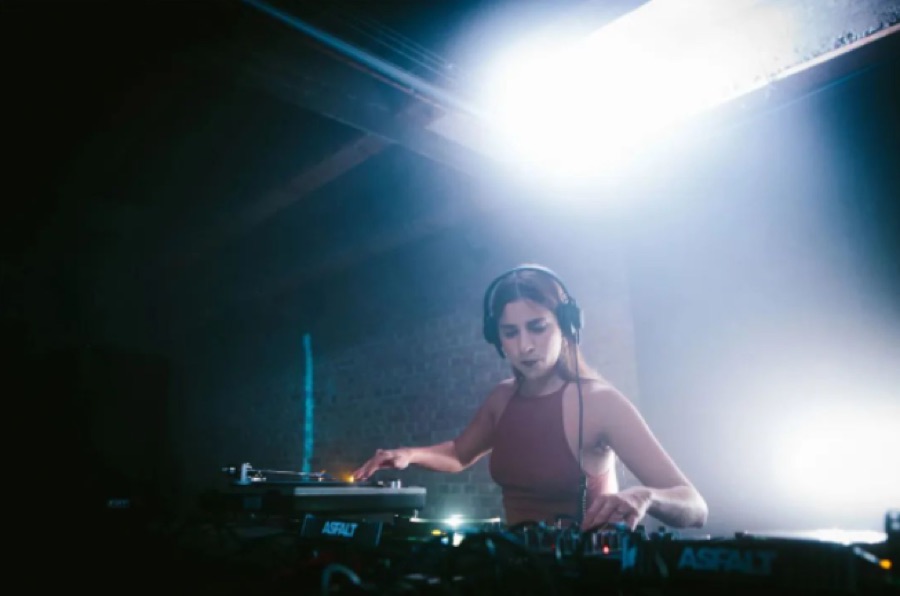
Ask anyone on the scene where to dance in Shanghai right now and the answer is one word. Potent (3/F, TX Huaihai, 淮海中路523号) works as two clubs in one: a smaller room with genuinely world-class techno bookings and a soundsystem locals rave about, and a big room running pop, hip-hop and K-pop floor-fillers for a young, stylish, properly mixed crowd — queer-leaning rather than exclusively gay, in the current Shanghai way. It runs seven nights, roughly 8:30pm to very late (4am weeknights, later at weekends), with covers from about ¥100 on the big nights; its event calendar ran straight through 2025 into 2026 without a wobble, which in this city counts as rude health. The insider move, straight from regulars: skip the big room’s crush and plant yourself in the small room when a serious booking is on — that’s the room people mean when they call Potent world-class. Check @potent_club on Instagram or their WeChat for the night you’re in town; K-pop nights are the magnet.
Culture Club — the friendly giant
Inside Fuxing Park, the INS complex (雁荡路109号) stacks six floors of nightlife — hip-hop rooms, a techno floor, KTV, even an esports arena — and on the fourth floor sits Culture Club, the biggest gay-leaning room in the city and its de-facto queer hub. The vibe regulars describe is the opposite of intimidating: bouncy pop, cheap shots, a packed floor with plenty of women in the mix, and the freedom to dance without hookup pressure — “safe and smiley rather than sleazy” is the line that keeps coming up. One honest caveat: published hours disagree (we’ve seen daily 8pm–2am and weekend-only 10pm–5am in equally current listings), so treat Friday and Saturday after 10pm as the guaranteed window and confirm anything midweek on the night. The best part is the format: with five other floors under the same roof, your straight friends can rave downstairs while you hold court upstairs — the easiest mixed-group night in China (a theme our straight-friends guide covers properly).
Medusa Realness — the party
Covered in the FAQ above because it’s an event, not an address — but on the night itself, Medusa is the single most joyous queer room in China: glitter cannon, pink fog, voguing battles, drag of every gender, and a musical education in classic house. It operates carefully in a grey zone, so dates travel by word of mouth and their own channels rather than posters. If your trip overlaps with one, reorganise the trip.
The bars, and the ballroom
Moon Bar (Lane 1950, off Huaihai Zhong Lu, Changning; daily ~7pm–2am) is the neighbourhood gay bar the Concession still gets to keep: a bi-level concrete “cave” strung with moon-and-stars neon, cocktails around ¥70, and a relaxed, bear-leaning local crowd genuinely happy to chat and swap WeChats. It’s the right first stop of a Shanghai weekend — low stakes, warm welcome — and China’s bear scene (our bear-community guide has the wider picture) treats it as a home room. Navigation note: there’s a second, unrelated Moon Bar on Zhaojiabang Road — you want Lane 1950, Huaihai Zhong Lu.
Lai Lai Dance Hall (2/F, 235 Anguo Road, Hongkou; weekend evenings, roughly 7–9pm) is the most moving room in Chinese queer nightlife: a plain old ballroom where, on weekend nights, gay men of the older generation — men who came of age decades before apps or bars — meet to waltz and tango together, as they have for years. Guides current to late 2025 confirm it still turns. Visitors are tolerated kindly if they behave like guests: buy the cheap tea, sit quietly, accept a dance if offered, and keep the camera in your pocket — many of these men are not out, and this is their living room, not a spectacle. Go once, early in your trip. It reframes everything else on this page.
The rooftops are Shanghai’s answer to a cocktail-bar crawl, and no gay weekend should skip them, even though neither is a gay venue: Flair, on the Ritz-Carlton’s 58th floor in Pudong, is the highest open-air terrace in the city with the Oriental Pearl filling your whole field of vision (book ahead, dress up, expect minimum spends for the view seats); the Long Bar at the Waldorf Astoria pours martinis along a restored 34-metre mahogany counter from 1911 — colonial-era theatre and the city’s most atmospheric heritage room. Golden-hour Flair, then taxi to Potent: the perfect Shanghai Saturday arc.
The ranked list with copy-paste Chinese addresses lives in the full Shanghai bars & clubs guide.
For the girls: after Roxie
Shanghai held mainland China’s best-known lesbian bar for years — Roxie in Jing’an, with its paint nights, tequila Tuesdays and board-game Thursdays — until June 2024, when it announced its closure citing “forces beyond our control,” the standard euphemism. Its loss stung precisely because it was more than a bar; it was the city’s queer-women’s living room. What remains in 2026 is scene-without-venue: Medusa Realness is emphatically pansexual and draws a strong queer-women crowd; Culture Club’s floor is comfortably mixed; and women-centred socials organise through WeChat groups and app networks rather than a fixed address — ask around at Medusa and you’ll be plugged in within one night. We’d love nothing more than to replace this paragraph with a new address; if you find one open and above-board, tell us and we’ll verify it.
A city of firsts: Shanghai’s queer legacy
Worth holding in mind as you walk it: almost every “first” in modern Chinese queer life happened here. The 1930s treaty-port city ran openly bohemian cabarets when the rest of the country had nothing of the kind; Eddy’s opened in 1995, a decade before most mainland cities had any bar at all; and in 2009 Shanghai staged the mainland’s first Pride week — eleven editions before the 2020 shutdown. It’s also the adopted home of Jin Xing, the transgender dancer-choreographer who became one of the most-watched television hosts in the country — a former army colonel whose talk show reached an audience of a hundred million, and whose very mainstream fame remains the most visible queer fact in Chinese pop culture. None of this is nostalgia; it’s why the scene that survives carries itself with such unbothered confidence. The full arc — cabarets to Pride to now — is in our queer history of Shanghai.
The night-out playbook
Time it like a local. Rooftop at golden hour, dinner at nine, Moon Bar at eleven, Potent well after midnight — the big rooms peak at 2am. The metro shuts around 11pm–midnight; Didi runs all night and is cheap and door-to-door safe (set-up guide).
Budget honestly. Shanghai is the mainland’s priciest night out: ¥100-ish covers on big nights, ¥70–90 cocktails in the nice rooms, more at the rooftops. It’s still roughly half what the same night costs in Tokyo or Singapore — line-items in what a gay China trip costs — and Dianping vouchers take an edge off if you can navigate a Chinese app.
Read the room on photos. More than anywhere in China, Shanghai’s queer rooms are full of people who are out to their city but not their hometown. Shoot the stage and the skyline, not the crowd — the full etiquette rundown is in the nightlife etiquette guide.
Drag pays for itself. Literally, at Medusa. Pack one look. You will not regret it.
Follow before you fly. Shanghai venues live and die on their WeChat official accounts and Instagram; nothing here prints a monthly calendar. The week before your trip, follow Potent, Medusa and Culture Club, and screenshot anything that looks like a party flyer — door staff will honour a flyer price shown on your phone. Tables at the big rooms work the Chinese way (a promoter, a bottle minimum, a negotiation), but unlike in Chengdu nobody expects a traveller to bother: the floor is the point.
Coat-check your cynicism, keep your bag light. The clubs run bag checks and (in TX Huaihai and INS) mall-style escalator approaches that feel nothing like a night out until suddenly they do. Bring the minimum: phone, passport photo, one card loaded into Alipay. Lost-property recovery from a Chinese mega-club is a fool’s errand.
Carry your passport (phone photo fine except at hotel check-in), expect a bag check and metal-detector wave at the big clubs, and take China’s zero-tolerance drug enforcement completely literally.
Saunas, spas and the honest word
We’ll save you the taxi fares: Shanghai’s gay sauna scene is gone. The houses that anchored it — Ding Lin Men’s Club, the Door Health Club, Huli, the Hawaii Gym — closed in the COVID years and none has reopened; the current international listings agree there is no operating gay sauna in the city, and our own checks found nothing we’d stake your evening on. Older pages still circulating Fumin Road addresses are describing a scene that no longer exists. What survives is private and app-organised — and that world looks after its own privacy, so we don’t publish it.
If steam itself is the point, the hotel spas deliver in style — the Mi Xun spa and pool at the Middle House is the loveliest in town, and every five-star below has its own. First time in any Chinese bathhouse culture, read the etiquette guide; for cities where the gay-sauna scene is alive, see the regional saunas guide. And a health note worth knowing before you need it: Shanghai United Family Healthcare runs internationally staffed clinics with PrEP, PEP and rapid testing for travellers — the standard recommendation on the mainland, covered in our HIV & PrEP travel guide.
Where to stay
Same-sex bookings are a non-event everywhere here; this is purely about style and geography. The full ranked sixteen live in the Shanghai hotels guide; the short version:
Andaz Xintiandi (~¥1,300–2,500) wins on location — a design-led Hyatt on the edge of Xintiandi with colour-changing mood lighting in the rooms, a minute from Middle Huaihai Road and an easy walk to Potent and Culture Club. The Middle House (~¥2,000+) is the style pick: Piero Lissoni minimalism in Jing’an, serious art, the Mi Xun spa. W Shanghai — The Bund is the party brand with the strongest LGBTQ record at corporate level and the WET Deck pool scene, across town in Hongkou; its neighbour, the brand-new Sofitel North Bund (~¥900–1,800, opened 2024), is the value-luxury sleeper — and, quietly, the closest good hotel to Lai Lai. The Ritz-Carlton Pudong is for the view and the in-house Flair rooftop — glamour base, taxi to everything. Book through Trip.com, which reads Chinese inventory best.
Daytime Shanghai: what to do before the doors open
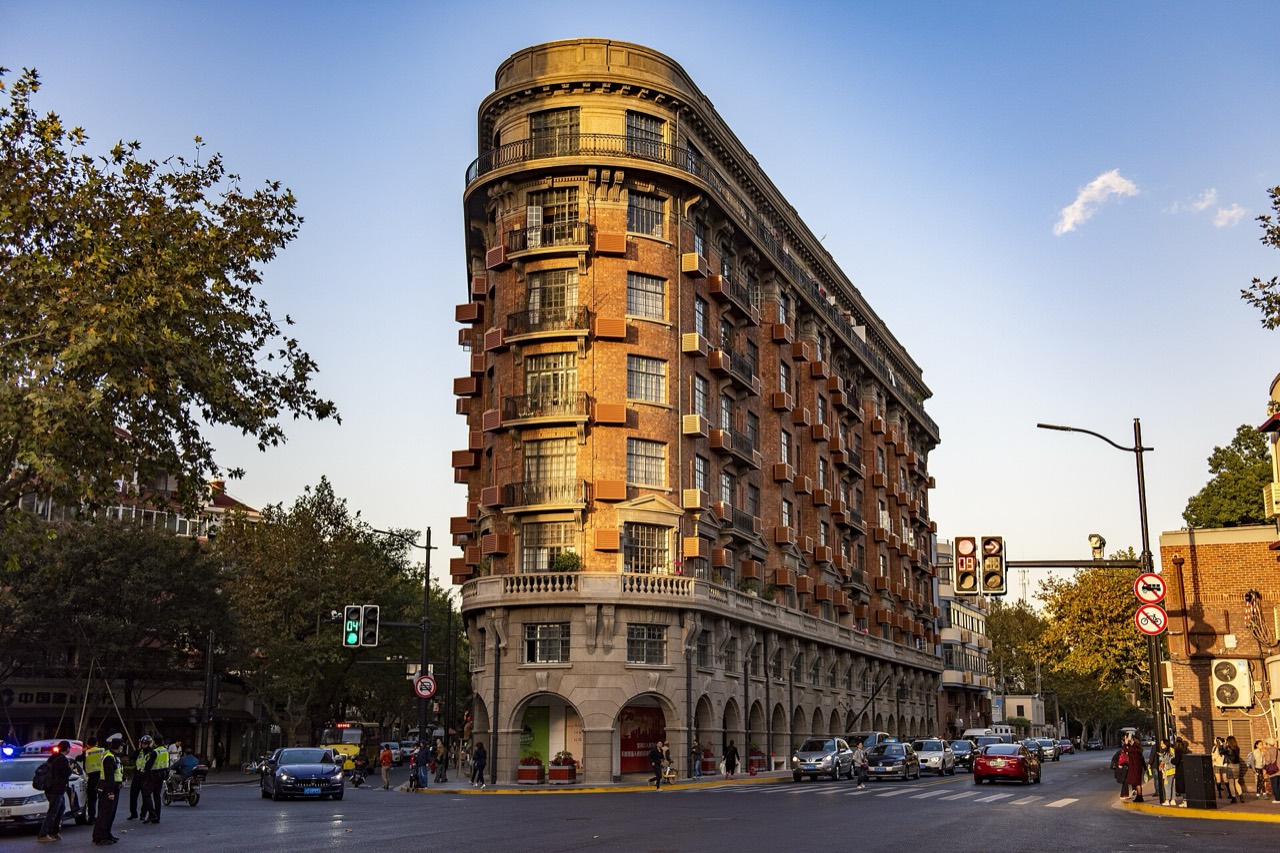
Walk the Concession properly. This is the best flânerie in China: start with brunch on Anfu Road (the queer-adjacent Sunday ritual — Egg and Sumerian are the names locals book), drift down Wukang Road past the flat-iron Wukang Mansion, detour into the compact plane-tree grid around Sinan Mansions and Fuxing Park — where you can watch the ballroom dancers and mahjong tables by day in the same park you’ll dance beside at night — and end with a vermouth somewhere small on Yongkang or Jianguo Road. No monument in the city beats this neighbourhood at being itself.
Do the Bund at two speeds. Once in daylight for the architecture — 52 colonial facades in a row, best walked north to south from the Waibaidu Bridge (our Bund walk page has the route) — and once after dark for the light show, ideally from the Peace Hotel’s Art Deco lobby with the old jazz band playing. Then cross to Pudong just once, for Flair or the Shanghai Tower’s observation deck, and come back; the future is better viewed from the past.
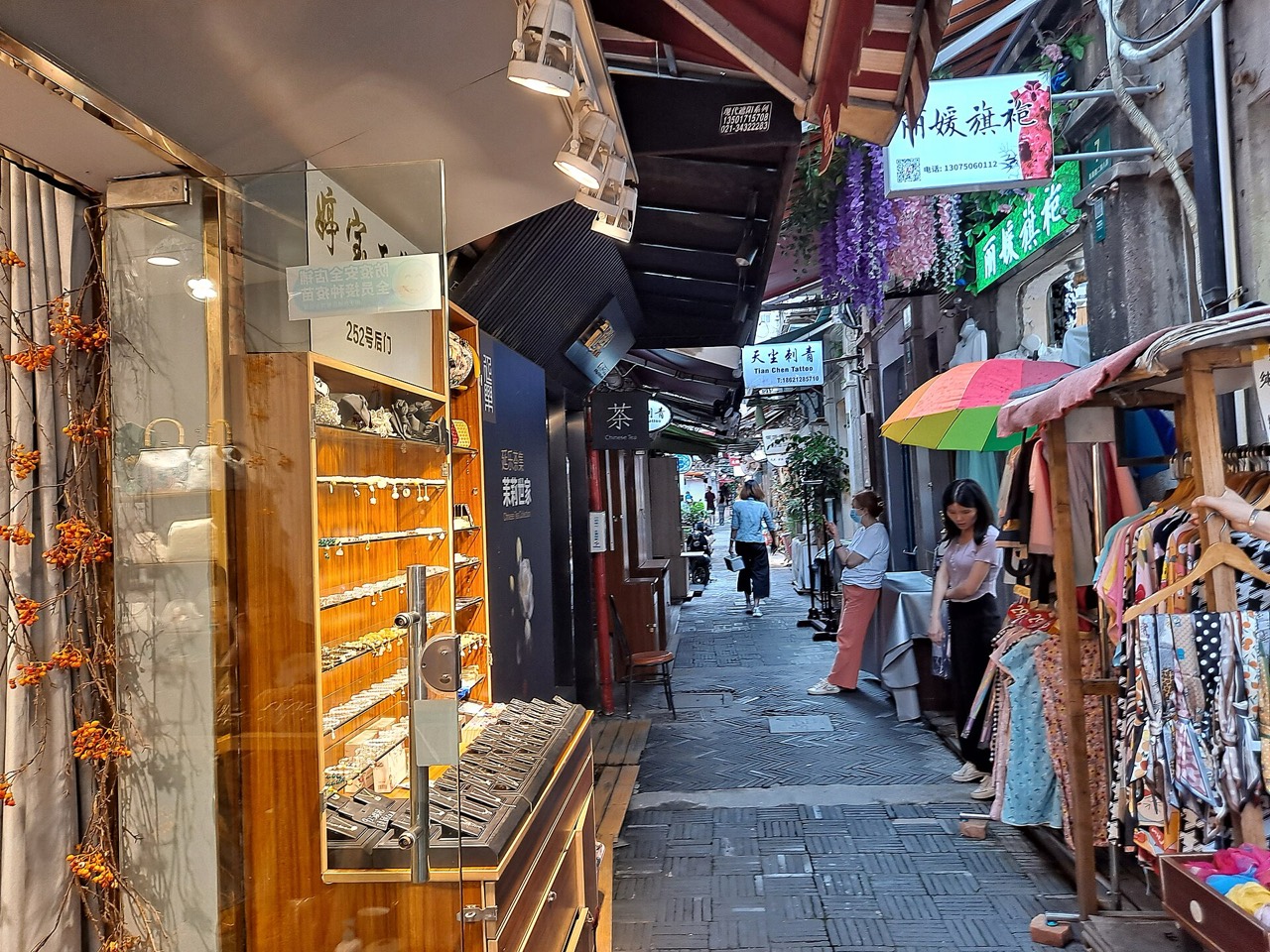
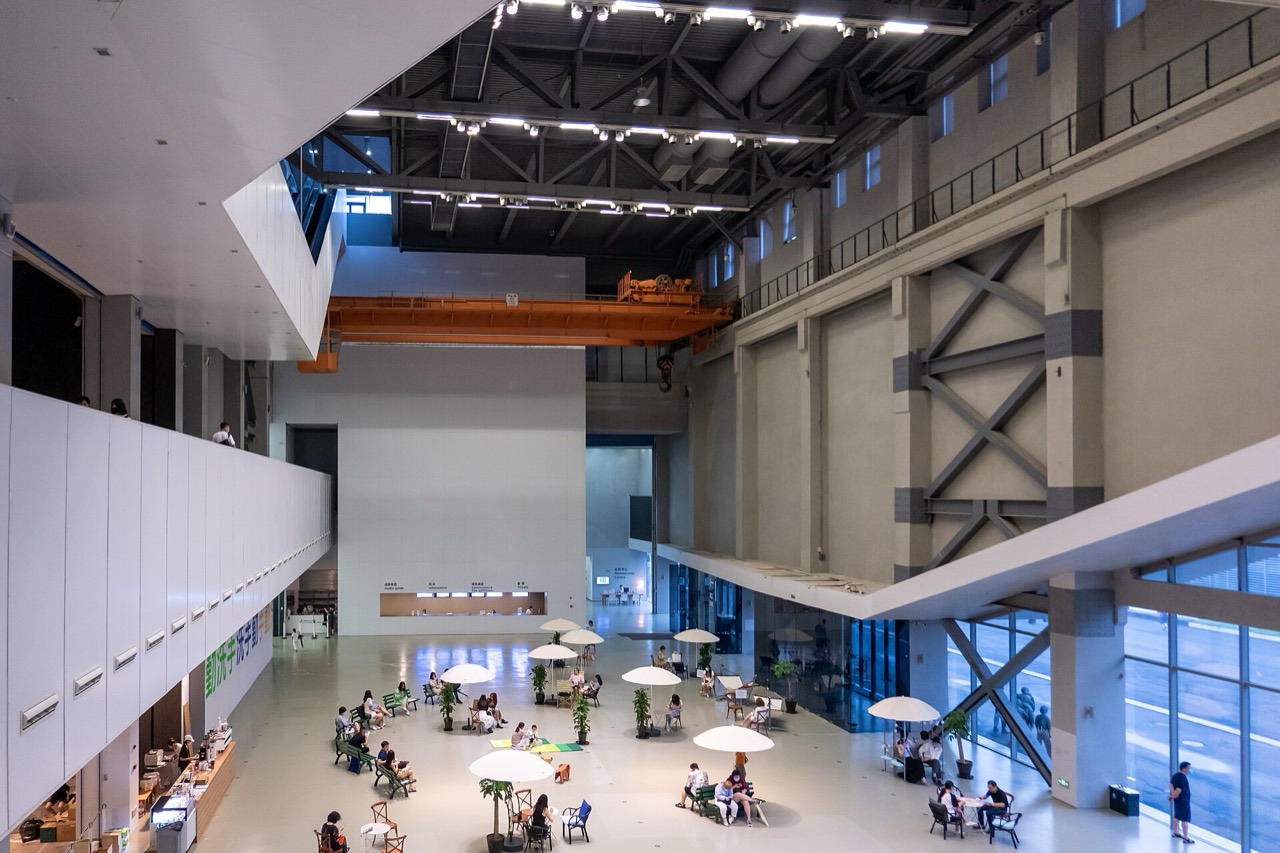
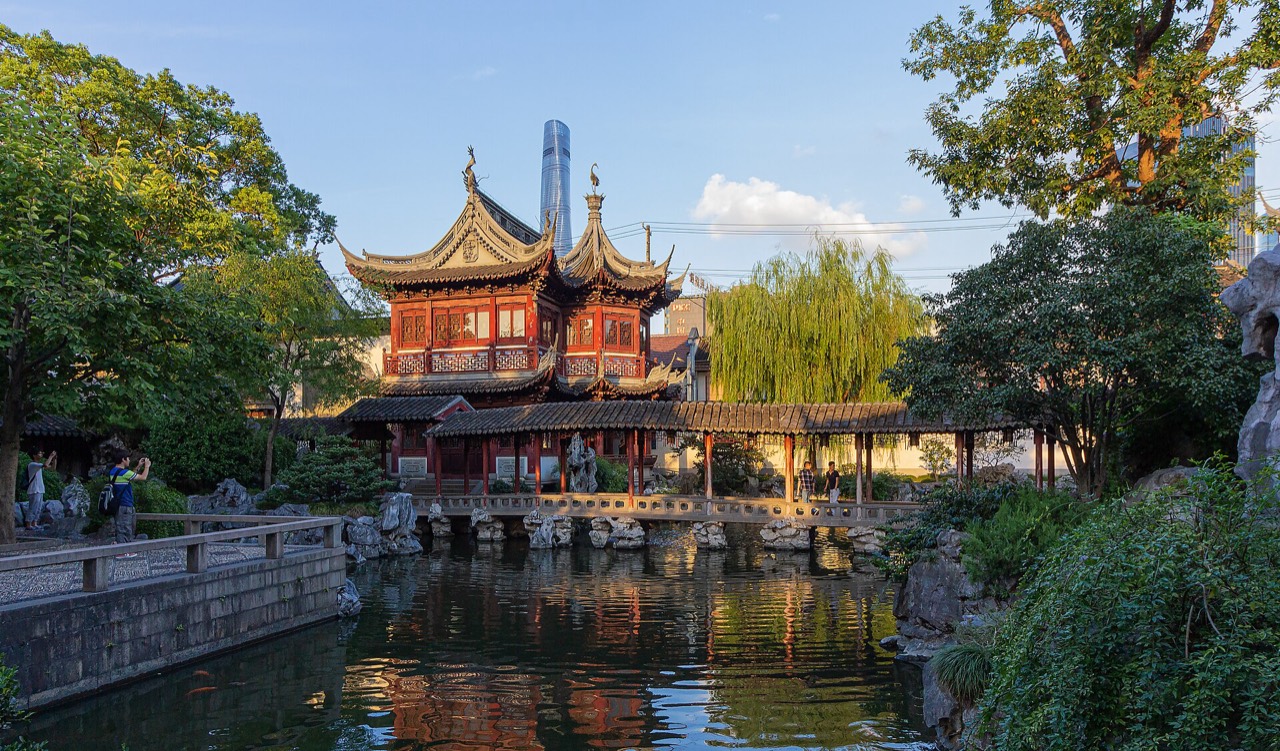
See the art the city is actually proud of. The Power Station of Art — a decommissioned power plant on the Huangpu turned contemporary museum — is the flagship, and the whole West Bund gallery strip below it makes a stylish afternoon; the free Shanghai Museum covers the bronzes-and-scrolls classics. For old-Shanghai texture, Yu Garden and the adjacent bazaar are the Ming-dynasty set piece (go early; the Mid-Lake Pavilion Teahouse on its zigzag bridge is the city’s oldest), and the shikumen lane-house quarters — polished at Xintiandi, scruffier and sweeter at Tianzifang — show you the stone-gate architecture the whole city grew from.
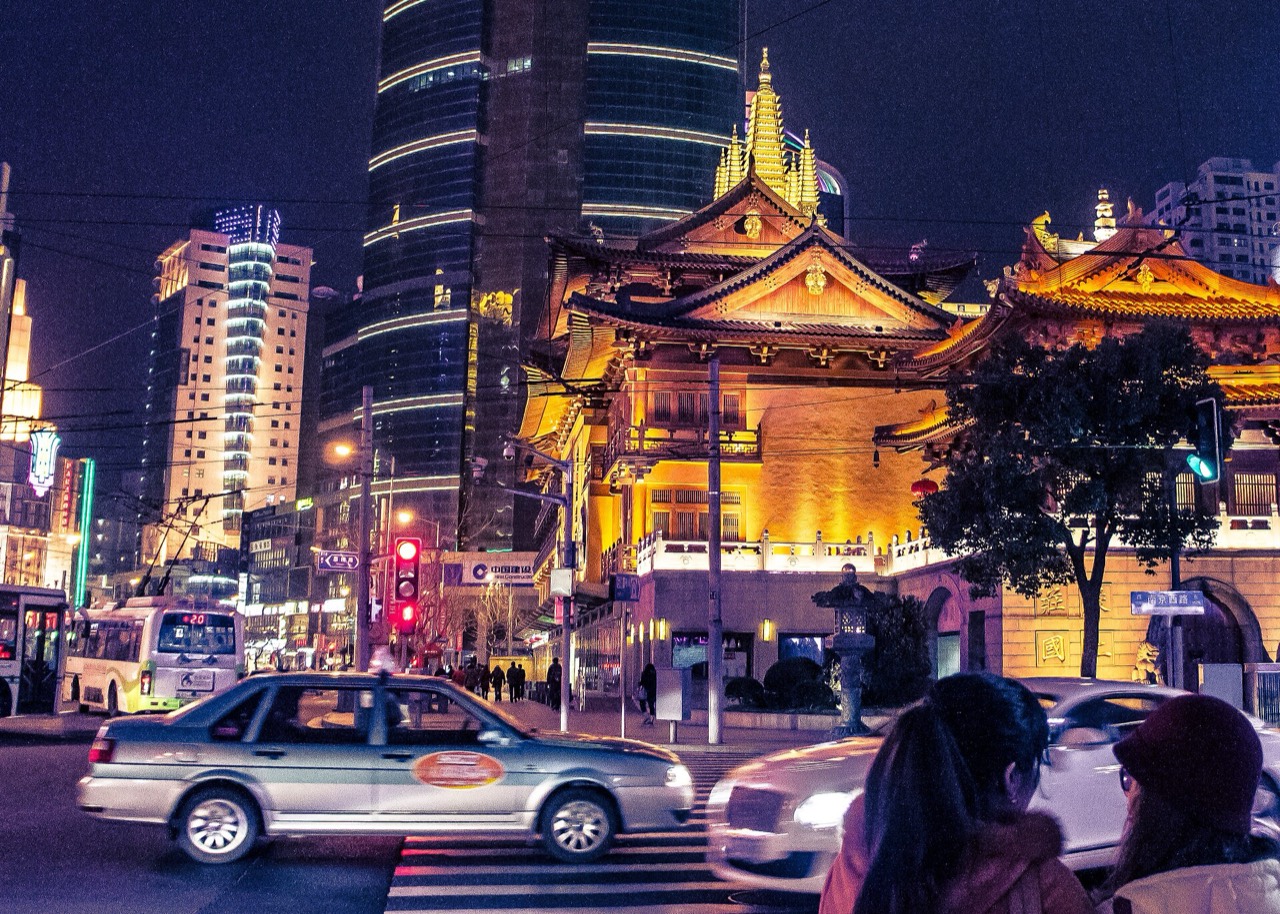
And one strange, perfect Shanghai hour: Jing’an Temple at dusk, a gold-roofed Buddhist island moated by luxury malls and traffic, best photographed from the Nanjing West Road crossing as the lights come on. It’s the city’s whole thesis — the ancient thing thriving inside the hyper-modern thing — in a single frame. Which, come to think of it, is also a fair description of Lai Lai.
Two mornings worth engineering. First: Fuxing Park before 9am, when the same lawns that hold INS’s clubbers at 3am fill with ballroom couples, sword-form tai chi and choirs of retirees in full voice — the gentlest jet-lag cure in China, coffee from the Concession kiosks in hand. Second: People’s Park on a weekend, for the famous marriage market, where parents pitch their unmarried children off laminated CVs clipped to umbrellas. It’s equal parts charming and quietly heavy — this is the family pressure every queer local you meet is navigating — and it explains more about discretion in China than any explainer we could write.
For the art-inclined afternoon, skip the megamalls and go niche: the M50 warehouse district on Moganshan Road stacks fifty-odd independent galleries where West Bund goes institutional, and the Propaganda Poster Art Centre — a private museum tucked, gloriously, in the basement of an ordinary Concession apartment block on Huashan Road — holds the best collection of Mao-era poster art anywhere. Both are the kind of place your group chat will assume you needed a guide to find.
Eat like Shanghai wants you to eat
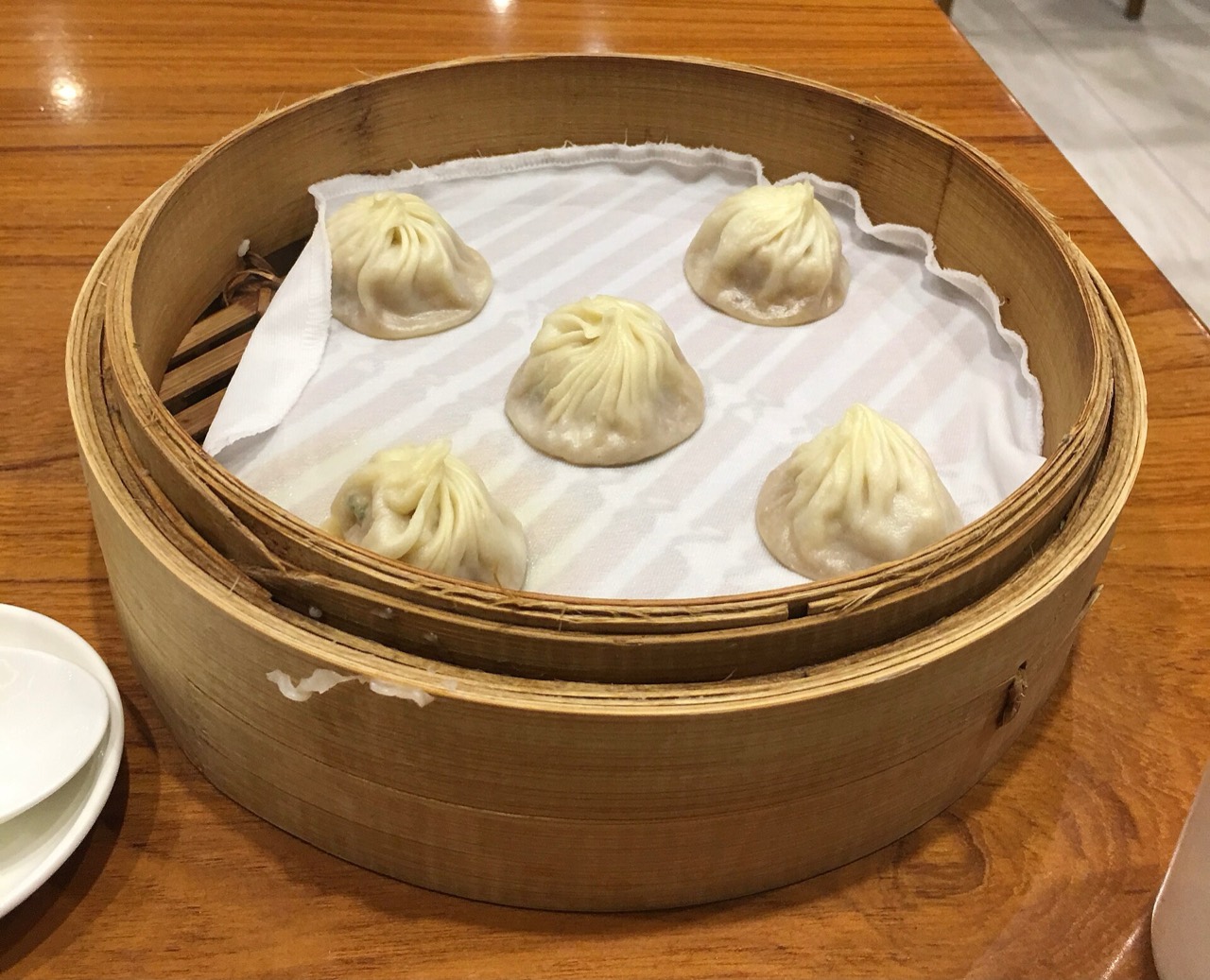
Shanghainese cooking is the gentle counterpoint to Sichuan’s fire — sweeter, subtler, built on soy, sugar and rice wine. The icon is xiaolongbao, the soup dumpling invented just outside town in Nanxiang: lift it by the topknot, nibble a corner, sip the broth, then eat — scalding yourself once is traditional. Its street-food sibling shengjianbao (pan-fried, crackly-bottomed) is the better breakfast. Order hongshaorou — glossy red-braised pork belly — anywhere that looks like somebody’s auntie runs it; the local diner Ren He Guan is the standout for yellow-croaker noodles and drunken crab. Chase the calendar too: crayfish piled high in summer, hairy crab with ginger vinegar in autumn. Breakfast is its own institution — the “four warriors” of dabing flatbread, youtiao fried dough, sticky-rice cifantuan and hot soy milk, eaten at a fold-out table for pocket change — and the everyday noodle is cong you ban mian, scallion-oil noodles that taste like the whole city simmered in a wok. And for the sweetest echo in this guide: Shanghai’s beloved pastry is the hudiesu (蝴蝶酥) — the butterfly cookie, queued for daily at the Park Hotel bakery on Nanjing Road. Chengdu has The Butterfly; Shanghai eats one. For a proper crawl, the two storied food streets near People’s Square — Yunnan South Road (the time-honoured brands) and Huanghe Road (the home-style Benbang houses that starred in Blossoms Shanghai) — make the perfect budget evening; our food-crawl page maps it. Dish names in characters and the vegetarian survival kit: the gay China food guide.
Day trips: canals, gardens and the lake
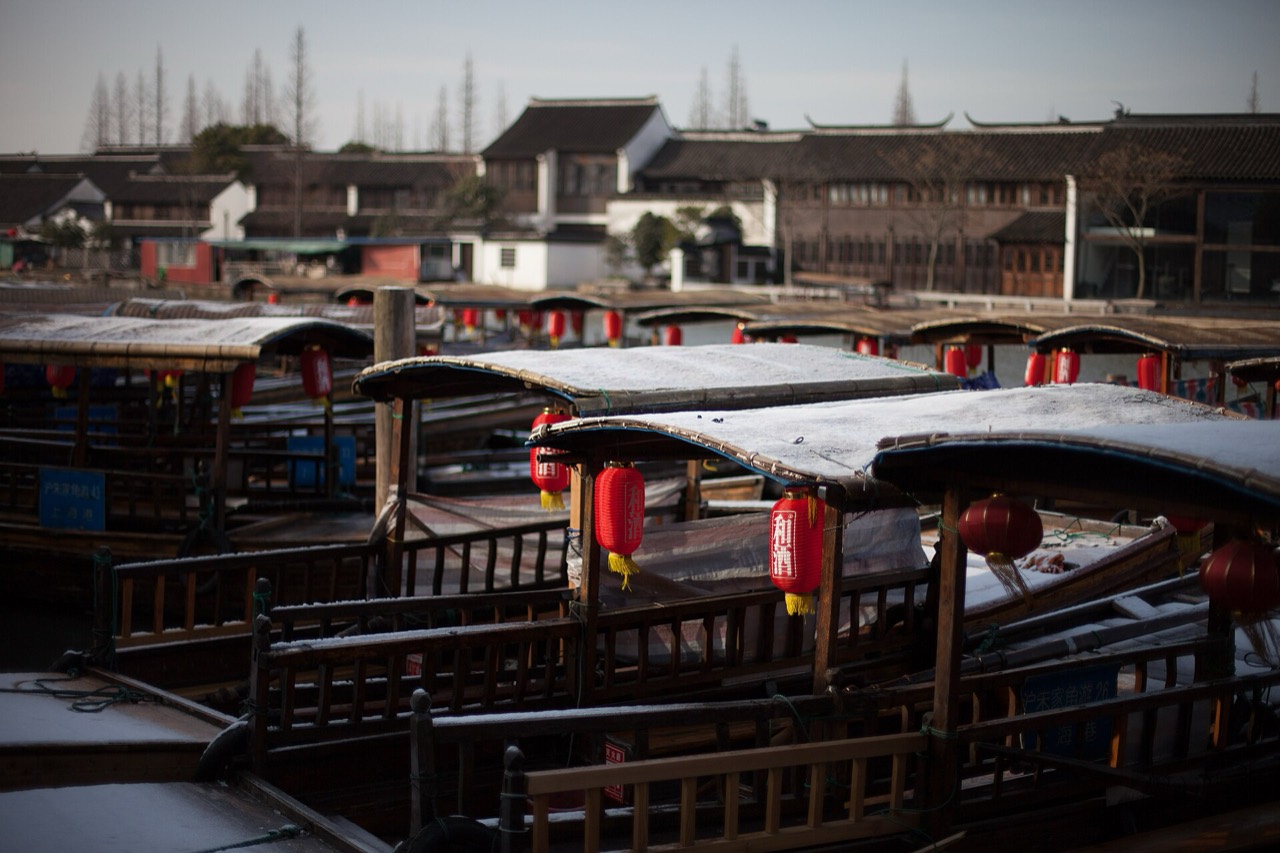
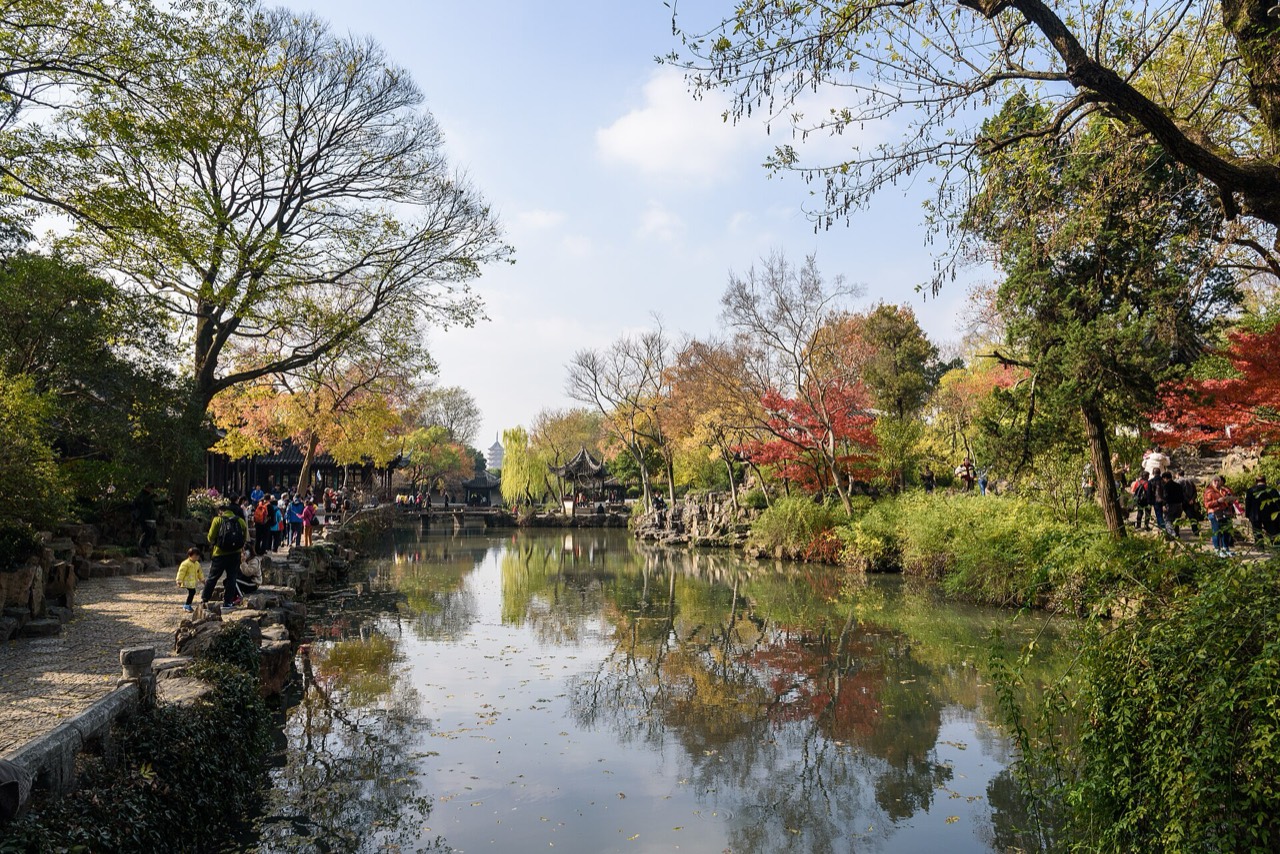
Zhujiajiao is the easiest escape in urban China: a 1,700-year-old canal town of stone bridges and teahouses on the city’s western edge, reached entirely on Metro Line 17 for about ¥8 — half a day, done beautifully (our page has tickets and timings). Suzhou raises the stakes: UNESCO-listed scholar gardens 25–30 minutes away by bullet train (¥40 second class), with the 16th-century Humble Administrator’s Garden the crown jewel and the I.M. Pei-designed Suzhou Museum free next door — book garden tickets a few days ahead in peak season (details here). Hangzhou and its West Lake are 45–60 minutes down the same high-speed network and worth an overnight if you can spare one — it has a quiet scene of its own. More escapes in the day-trips guide.
TL;DR: the practical machinery
When to come
April–May and September–November are Shanghai at its best — plane trees in leaf or turning, terrace weather, hairy-crab season at the autumn end. July–August is a steam bath, June drizzles, winter is grey but mild. Hard avoids: Lunar New Year (the city empties and venues shutter) and, less severely, Golden Week in early October (everything open, everything rammed — the Golden Week guide weighs it). Seasonal detail: best time to visit China.
Getting in
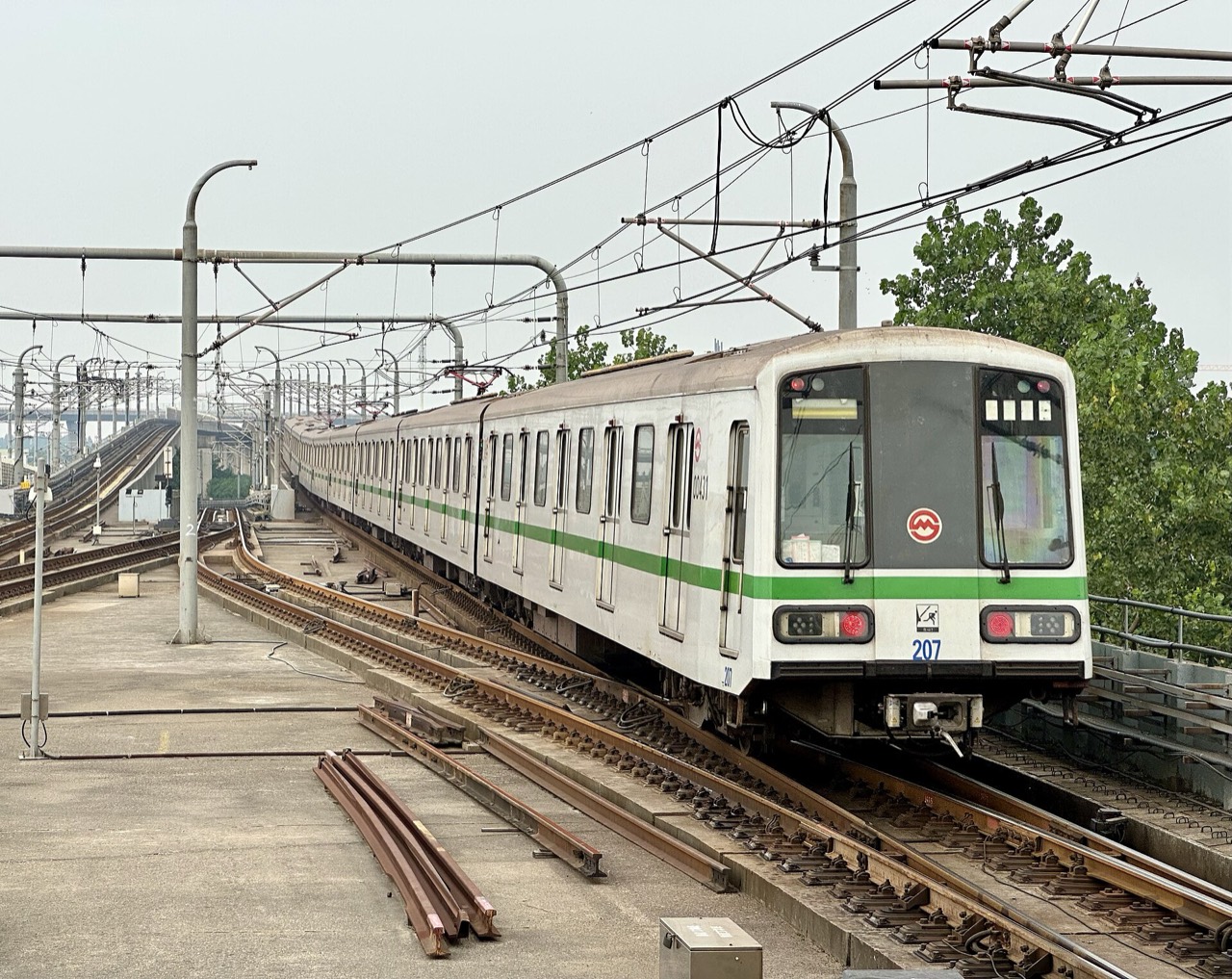
Most passports now enter China easily — a long list gets 30 days visa-free, most others qualify for 240-hour visa-free transit, and Shanghai is the single easiest place to use either; check yours against the visa guide. Pudong (PVG) is the intercontinental gateway — take the 300km/h Maglev to Longyang Road then the metro, or budget 45–60 minutes by taxi to the Concession; Hongqiao (SHA) handles regional flights and sits on the high-speed rail hub (Beijing ~4.5h, Hangzhou under an hour). First-night survival: your first 24 hours in China.
Money, phone, maps
Set up Alipay or WeChat Pay with your home card before you fly — Shanghai is functionally cashless (payment guide). A travel eSIM solves data and the firewall in one purchase (what’s blocked: the list). The metro is enormous, English-signed and shuts before you do; Didi fills the gap. Tipping doesn’t exist here — not in bars, restaurants or taxis.
Safety & health
Shanghai is about as safe as megacities get — lit, busy and monitored at every hour you’ll be awake. Your real risks are a rooftop bar bill and the baijiu toasts at a business dinner (survival guide). LGBTQ+ specifics are in the safety explainer; if something goes properly wrong — lost passport, needing PEP — the emergency guide has the numbers and scripts (police 110, ambulance 120), and United Family’s clinics are the international-standard fallback. Hotels photograph passports at check-in; it’s routine.
Slotting it into a bigger trip
Shanghai is the natural gateway of the two-week China route — most itineraries land here, run west, and fly home from Chengdu having saved the best gay nightlife for last. The high-speed-rail circuit connects the dots; budget with the cost guide (figure roughly ¥400–800 a day here, the mainland’s priciest but hardly Tokyo).
The bottom line
Chengdu will give you a bigger gay night. Bangkok will give you a louder one. What Shanghai gives you is rarer: the feeling of being queer in a truly great city that has folded you into its rhythm without ceremony — drag at Medusa and waltzes at Lai Lai, techno at Potent and martinis on a 1911 mahogany bar, brunch under the plane trees with someone you matched with at 2am. The scene here lost its institutions and kept its soul. Come with moderate expectations for the nightlife and none for the city, and Shanghai will quietly exceed both — and somewhere around your second golden hour on the Bund, you’ll understand why everyone who lived here still talks about it like an ex they’d take back tomorrow.


