
Hong Kong plays by different rules
Everything our mainland guides spend paragraphs preparing you for — the firewall, the discretion calculus, the apps that need workarounds — you can set down at the border. Hong Kong runs on different wiring: Grindr loads on any SIM, the gay bars have names on the door and happy-hour boards on the pavement, the saunas advertise, and nobody at immigration cares that you and he booked one bed. This is the city where Greater China’s queer life is at its most visible — and, full disclosure, it’s our home turf: Unveil China’s operator is Hong Kong-based, and this is the scene we know at street level.
Honesty first, though, because the glossy version sells the city short and the gloomy version sells it shorter. Hong Kong’s scene is smaller than its 1990s–2000s heyday — the era when Propaganda packed its Central basement every weekend ended long ago, and the years since 2019 closed more doors. Large public queer events have had a rough run lately too: the last Pride parade marched in 2018, and Pink Dot has been cancelled two years running after venues fell through. And yet the city that hosted the Gay Games in 2023 — the first in Asia — still has the densest, easiest, most walkable gay quarter between Tokyo and Bangkok: a two-street strip in Sheung Wan where the bars actually thrive, a sauna scene that draws travellers from across the border, and a queer culture that has moved into restaurants, film festivals and hotel programming rather than vanished. This guide covers all of it, checked as of July 2026. Short version with the map: our Hong Kong city hub.
Being gay in Hong Kong: the questions everyone asks
Is Hong Kong gay-friendly?
For a traveller, comfortably yes — the most relaxed big city in Greater China to be visibly queer, ahead of anywhere on the mainland and behind only Taipei regionally. Same-sex couples check into hotels without a flicker, the scene is open and English-friendly, and public affection reads as unremarkable in the central districts. The texture worth knowing: Hong Kong is socially conservative in a family-and-face way rather than a hostile way, so local gay life still leans private — plenty of people are out to friends and colleagues but not to parents — and the energy is bars-and-brunches rather than flags-on-balconies. You’ll feel welcome everywhere and remarked-upon nowhere, which is roughly the ideal.
What’s the actual legal position in 2026?
Precise version, because it changed recently and most guides are out of date. Homosexuality was decriminalised in 1991, and two decades of court cases have steadily extended concrete rights: dependant visas for overseas same-sex spouses, civil-service spousal benefits and joint tax assessment, inheritance and public-housing rights — all won at the courts. In 2023 the Court of Final Appeal went further, ruling the government must create a legal framework recognising same-sex partnerships. The government’s answer — a narrow registration scheme for couples already married abroad, covering things like hospital visits and medical decisions — was voted down by the Legislative Council 71–14 in September 2025, leaving the court order unfulfilled; as of mid-2026 the government says it is exploring administrative measures instead. So: no marriage, no partnership register yet, a constitutional stand-off ticking in the background — and none of it touches a visitor’s daily experience. For the mainland comparison, see the China safety explainer; Hong Kong sits in a different legal universe from everything in it.
Do I need a VPN or an eSIM trick here?
No — and this genuinely confuses people planning a combined China trip. Hong Kong sits outside the Great Firewall: Google, Instagram, WhatsApp, Grindr and every other app work normally on hotel wifi and any local SIM (airport SIMs and eSIMs are cheap and instant). Save the firewall-routing eSIM and the blocked-apps homework for the mainland legs of your trip; the moment you cross to Shenzhen, those rules apply again.
Which apps does the scene actually use?
Grindr is the default and busy across Hong Kong Island and Kowloon; Tinder and Hornet fill it out, and you’ll meet a fair number of locals on Instagram before anywhere else. Blued exists here but skews to mainland visitors and cross-border connections. Profiles are more face-forward than on the mainland, though don’t be surprised by discretion from men with family or mainland work ties. English works nearly everywhere; a “left HK yet?” from a Sunday match means exactly what it says — this is a city of frequent flyers.
What happened to Pride and Pink Dot?
The honest answer: Hong Kong’s big public LGBTQ+ events have been squeezed since the 2020 national-security era changed the rules for large gatherings. The Pride parade last marched in 2018; Pink Dot, the family-friendly carnival that drew thousands to West Kowloon, was cancelled in both 2025 and 2026 after venues withdrew; a planned Pride festival at Kwun Tong Promenade in November 2025 was called off the same way. What survives — and it matters — is everything indoors: the Hong Kong Lesbian & Gay Film Festival (Asia’s longest-running, every September), Eaton HK’s queer arts programming, club nights, community sport left over from the Gay Games, and a packed private calendar of parties and junk-boat trips organised over WhatsApp and Instagram. Come expecting a scene that gathers rather than parades.
How does it compare to Taipei or the mainland?
Think of the region as three settings. Taipei is the out-loud one — marriage equality, a proper gaybourhood, Asia’s biggest Pride. The mainland is the discreet one — real scenes (Chengdu above all; see our Chengdu guide) behind unmarked doors. Hong Kong is the pragmatic middle: legal openness without political celebration, a compact commercial scene, and unbeatable logistics — which is why it works so well as the first or last stop of a Greater China route (itinerary guide). Regional rankings in best gay cities in Asia.
Where the scene lives: gay Hong Kong’s geography
Three clusters, one island-and-a-harbour apart:
Sheung Wan — Jervois Street, the gay strip. Two blocks west of Central’s office towers, Jervois Street (蘇杭街) is the closest thing Greater China has to an out-and-proud bar street: FLM at number 62, Zoo Bar at 33, Red Cup in the same building as FLM, newer rooms like Wink filling gaps, and the crowd spilling between them on weekend pavements. Everything is within a hundred metres; nobody plans a route.
Central / Soho — the polished wing. One neighbourhood uphill: Fa Gai doing drag brunch-to-late on Wyndham Street, T:ME hidden in its alley off Hollywood Road for the 3am wind-down, and queer-comfortable institutions like The Pontiac scattered among the wine bars. Lan Kwai Fong itself is the straight party quarter — fine fun, not the point.
Kowloon & Causeway Bay — the local wing. Across the harbour and off the expat radar: karaoke-forward, Cantonese-speaking gay bars around Causeway Bay and Jordan (Boo Bar’s bear-friendly karaoke floors being the best-known; our bear community guide plugs you in), plus Eaton HK’s queer cultural hub on Nathan Road and most of the saunas. If you want the Hong Kong the guidebooks miss, spend one night over here.
Every venue below is pinned on the Hong Kong hub map.
The clubs and the big nights
Hong Kong hasn’t had a dedicated gay megaclub since Propaganda closed in 2016 after 25 legendary years — pour one out — so the big-room energy now works differently:
FLM is the flagship in practice: two floors at 62 Jervois Street, the biggest dance floor of the local bars downstairs, a talkable bar upstairs, and programming that carries the week — drag shows, Drag Race screening parties, karaoke, bingo, themed nights. Two-for-one happy hour 7–9pm Monday to Saturday; the floor fills after 10:30 on weekends. The crowd is the whole city in one room — local, expat, visiting, twenty-two to sixty.
Mihn Club, also in Sheung Wan, is the after-midnight answer: a proper small club with serious techno bookings and a door policy protecting the vibe, queer-founded and queer-heavy without badging itself a gay venue. It’s where the Jervois Street crowd migrates when the bars wind down — check its socials for the night’s programme before committing.
Party crews and junk season. The circuit-scale events that do happen — big themed parties, holiday specials — are thrown by promoters rather than venues, announced on Instagram a few weeks out. And from May to October the scene takes to the water: junk-boat trips (chartered party boats to Sai Kung or Lamma with a swim-and-seltzer agenda) are a Hong Kong institution, and the gay editions fill via WhatsApp groups and apps. Ask anyone at FLM in summer; someone has a spare spot.
The bars: strip, wing and hideouts
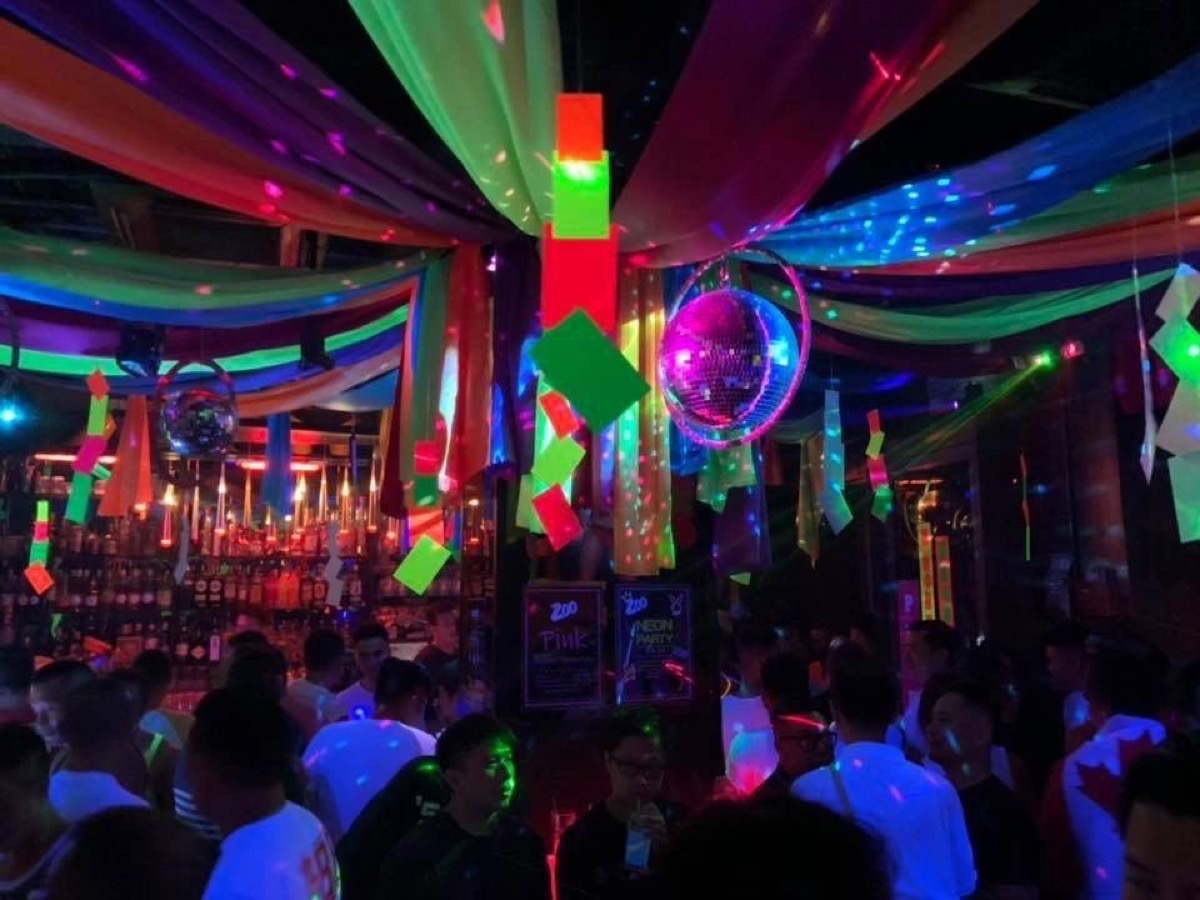
Zoo Bar (33-35 Jervois St) is the see-and-be-seen room a few doors from FLM — small, stylish, top-40 pop, strong cocktails, pavement crowd at weekends, and themed parties (Neon; Topless & Harness) worth packing for. Happy hour 7:30–9pm daily. Red Cup, upstairs in FLM’s building, is the scrappier third leg of the strip — Saturday drag and newcomer drink deals (its free-mixers Thursday hour is the cheapest warm-up in Central). Wink rounds out the block in current local listings — newer, lounge-ier, easy to fold into the crawl.
Over in Central, Fa Gai (花街) is the scene’s all-day polished option — a bar-restaurant on Wyndham Street that runs cocktails and small plates from lunchtime, then flips to drag shows and DJs on Friday and Saturday nights; the single best first stop if you land in the evening. T:ME, in its alley off Hollywood Road, is the locals’ low-key favourite — tiny, no-frills, fair prices, free-flow gin-and-vodka hours on Tuesdays and Thursdays, open to about 5am; a Soho night ends here more often than it starts. The Pontiac on Old Bailey Street deserves its mention: a loud, joyous, queer-owned dive that treats everyone as a regular — not a gay bar by sign, very much one by spirit.
The Kowloon-side and Causeway Bay bars — Boo Bar in Jordan (bears, karaoke, big sound system, open till 2–3am), and the CWB cluster of local karaoke lounges — run more Cantonese, more regulars-based, and are some of the warmest rooms in the city if you walk in with a smile and zero attitude. Older names you may find in listings (The Works in Wan Chai among them) come and go faster than directories update; check a current source or ask at FLM before crossing town for one.
For the girls
Hong Kong’s sapphic scene is party-based rather than venue-based, and it has one great institution: Les Peches, the women’s party collective that has run monthly lounge nights and club events since 2005 — the longest-running queer women’s fixture in the city, with themed parties drawing a couple of hundred women from students to media types. Nights and venues move around, so check its social channels for the current dates rather than trusting any printed schedule (ours included). Beyond Les Peches, the film festival crowd, Eaton’s programming and the CWB karaoke bars all skew happily mixed, and Grindr’s equivalents (HER, undated local WhatsApp groups) do the connective work. It’s a make-your-own-scene city for queer women — sociable, but it rewards a little advance digging.
A city of icons: Hong Kong’s queer legacy
Hong Kong’s queer story is bigger than its bar count, and knowing it changes how the city feels underfoot. Start with Leslie Cheung (張國榮) — Cantopop superstar, actor, and the most beloved queer icon in the Chinese-speaking world. He came out on stage at his 1997 concert (in a city where decriminalisation was only six years old), performed in heels and a feather boa to sold-out stadiums, and starred in the films that carried Chinese queerness to the world: Farewell My Concubine and, above all, Wong Kar-wai’s Happy Together (1997) — two men from Hong Kong unravelling in Buenos Aires, still arguably the greatest queer film in the Chinese language. His death in 2003 stopped the city; every April 1st, fans still gather at the Mandarin Oriental with flowers. Watch Happy Together on the flight over the way we prescribed The Last Year of Darkness for Chengdu — it’s the emotional key to this city’s queer register: intense, private, romantic, unparaded.
The institutional history runs deep too: decriminalisation in 1991 (a decade-long public battle), Asia’s first Lesbian & Gay Film Festival in 1989, Propaganda’s quarter-century as the territory’s queer living room from 1991 to 2016, the 2000s–2010s wave of court victories brought by ordinary couples suing for visas, benefits and housing — and the 2023 Gay Games, which brought 2,300 athletes to a city that had never hosted anything like it, leaving behind a lattice of queer sports clubs that still trains, socialises and welcomes visitors every week. The parade era may be paused; the inheritance is everywhere.
The night-out playbook
Time it local. Happy hours 7–9pm do real work here (drinks run HK$90–140 list price — this is an expensive city to drink in). Bars peak 11pm–1am; Mihn and the after-spots carry 1–5am; T:ME absorbs whoever’s left.
The crawl is the format. Fa Gai for the early drag or dinner, downhill to Jervois Street by 10:30, alternate FLM and Zoo until the floor picks for you, Red Cup for the Saturday show, Mihn if the night demands techno, T:ME to land. Total walking: fifteen minutes across the whole arc.
Getting home is trivial — mind the one gap. The MTR stops around 12:30–1am, and night buses exist, but taxis are plentiful and honest (Uber works too); a red-taxi hop across Central is a few dozen HK dollars. The one trap: cross-harbour taxis late at night prefer the queue at designated cross-harbour stands — or just take the last MTR back to a Kowloon hotel and nightcap over there.
Pay like a local. An Octopus card (buy/top-up at any station, or add to Apple/Google Wallet) runs the MTR, trams, ferries, buses and half the corner shops; cards and contactless cover everything else. No app-wall, no cash anxiety — the anti-mainland (the mainland payment guide, for your next leg, is another world).
Solo? This is the easiest city in the region to go out alone: English works, the strip is compact enough that faces repeat within an hour, and happy-hour bar seats at Zoo or Fa Gai do the introductions for you. The full solo toolkit is in our solo travel guide.
Dress codes and doors. Relaxed everywhere on the strip; Mihn’s door cares about attitude, not labels. ID rarely checked unless you’re blessed with a baby face. Tipping: not expected in bars; 10% service is usually already on restaurant bills.
Saunas & spas: the regional capital, honestly rated
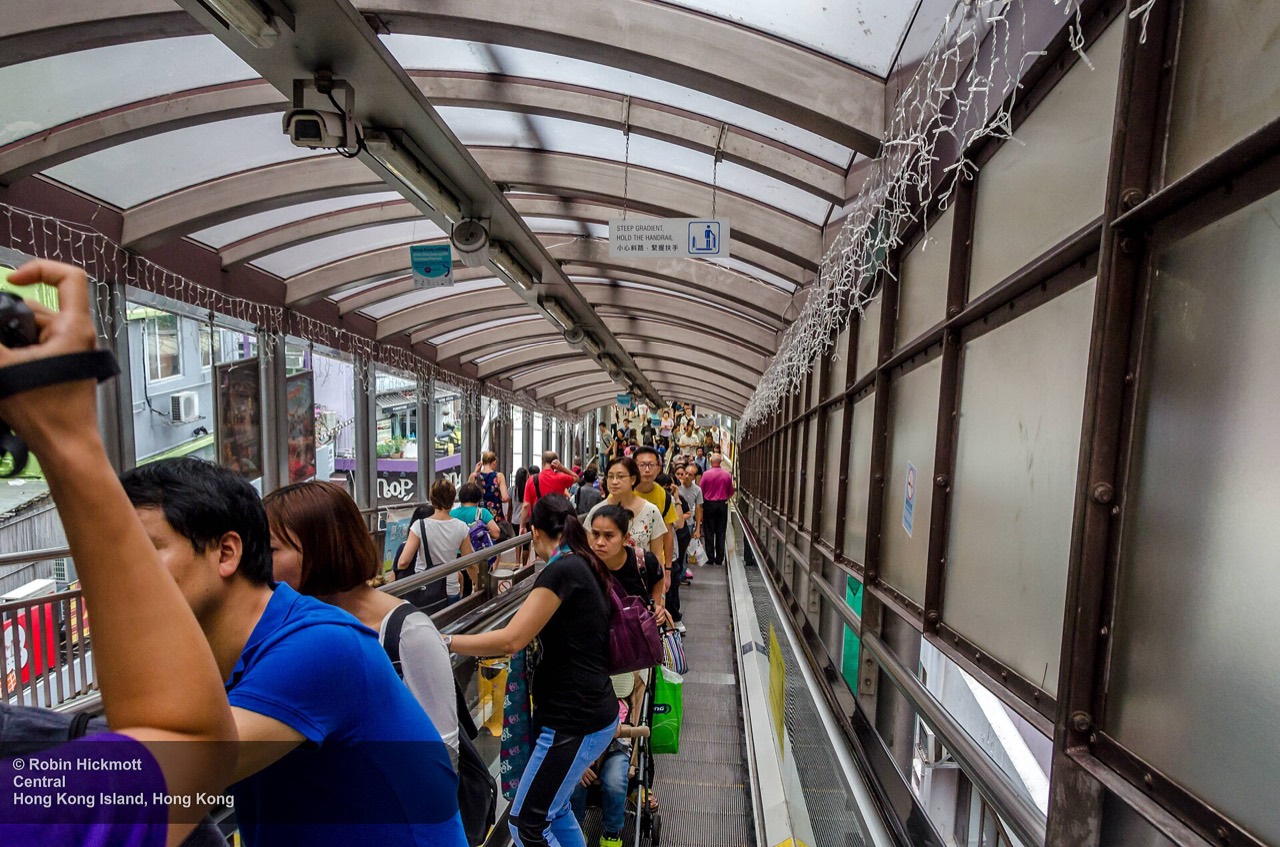
Here Hong Kong is the opposite of our mainland chapters: the sauna scene is legal, established and openly listed — it’s the regional go-to, and plenty of visitors from Guangzhou and Shenzhen make the trip for exactly this. The names that anchor current directories, all long-runners: Gateway in Wan Chai (Thomson Road; the popular local-crowd choice, afternoons-to-midnight), Soda in Causeway Bay (the former Action, 24/7, with an actual café), CE — Central Escalator (mid-Levels, trading since 1991), and the 24-hour HuTong Club with the full maze-and-cabins layout. Standard entry runs roughly HK$100–180 with towel and locker.
Our honest framing: these are busy, functional venues rather than Bangkok-style spa palaces — compact spaces in commercial buildings, peak crowds evenings and weekend afternoons, a mostly local and pan-Asian crowd that’s friendly but not performatively so. First-timer mechanics: pay at the counter, shoes into one locker, clothes into another, wear the towel, and treat the steam room as social space and the cabins as private ones — consent here is a simple, respected head-shake or nod. Hours and fortunes shift, so glance at a current listing or the venue’s own page before crossing town. First bathhouse anywhere? The rituals differ from Europe’s — our bathhouse etiquette guide travels well here, and the regional overview is in the gay saunas guide. For straightforward high-quality massage, the hotel spas and neighbourhood foot-massage floors have you covered — there’s no verified gay-dedicated massage venue we’d stake our name on.
Events: the calendar that survived
Recalibrate from parade-hunting to programme-reading and Hong Kong delivers year-round: the Hong Kong Lesbian & Gay Film Festival every September (running since 1989 — Asia’s longest-lived queer film event); Eaton HK’s rolling queer arts calendar — panels, drag, markets, Pride-month festivals — at its Jordan hotel-cum-cultural-centre; the community sports clubs that outlived the 2023 Gay Games (waterpolo to dodgeball, most welcome drop-ins); junk season all summer; and the promoter party circuit around public holidays. The one thing not on offer is a street parade — see the FAQ above for why — so plan around venues, not avenues.
Where to stay
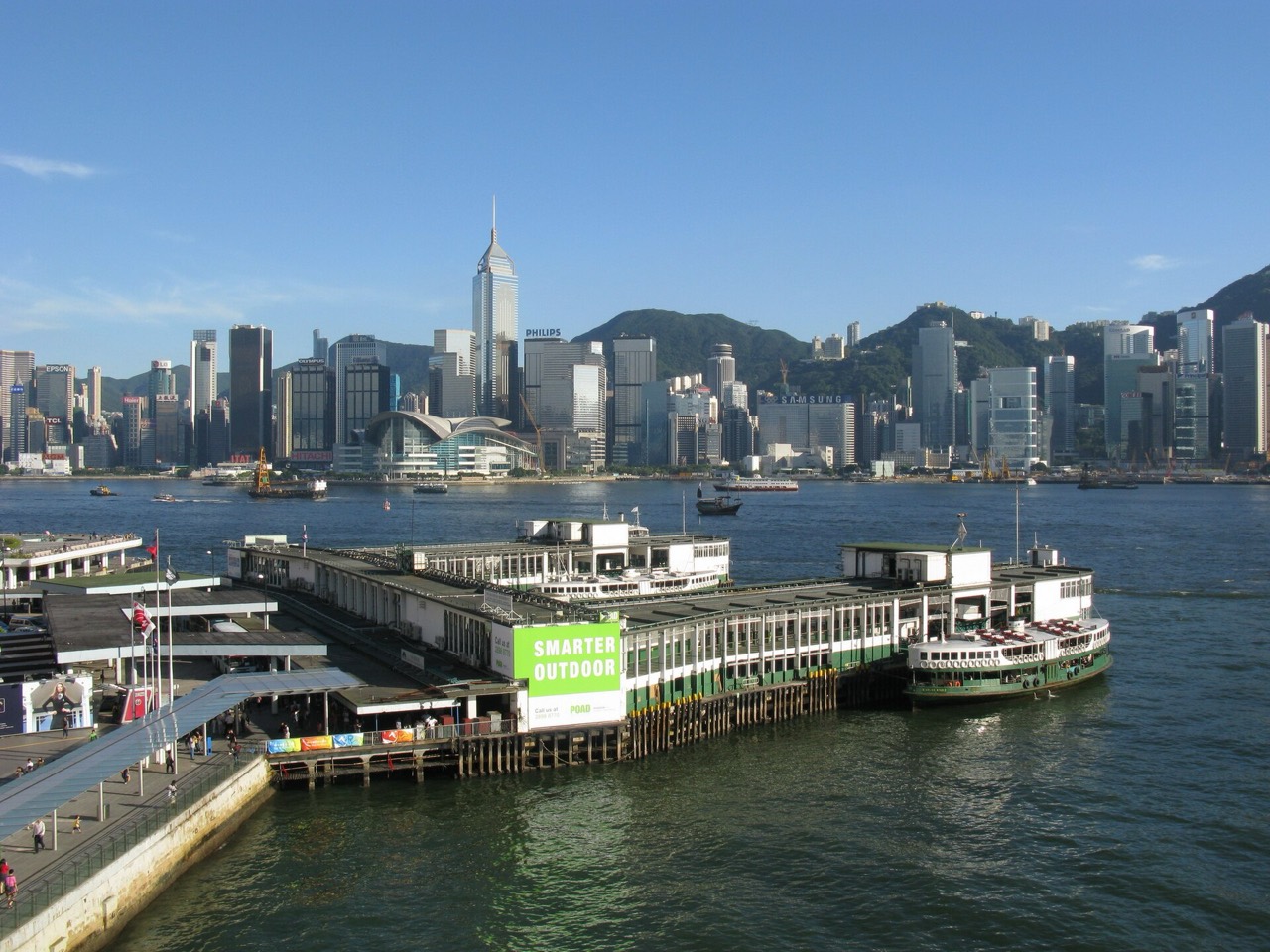
Every hotel in Hong Kong is same-sex-booking safe, so this is purely about geography and style — the full area-by-area logic is in our Hong Kong hotels guide. The short version: Central–Sheung Wan puts Jervois Street within walking distance (boutique towers and serviced flats; Soho’s mid-range options trade space for location — Hong Kong rooms are famously snug at every price). Wan Chai / Causeway Bay is the value-and-saunas base, one to three MTR stops from the strip. And across the water, Eaton HK in Jordan deserves a special flag: rainbow flag on the façade since 2018, gender-neutral facilities, a genuine queer arts programme in the building and Gay Games partnership history — the closest thing Asia has to a queer cultural centre with room keys, and reliably good value. Add the Star Ferry commute to your nights out and call it romance.
Daytime Hong Kong: the world’s best hangover city
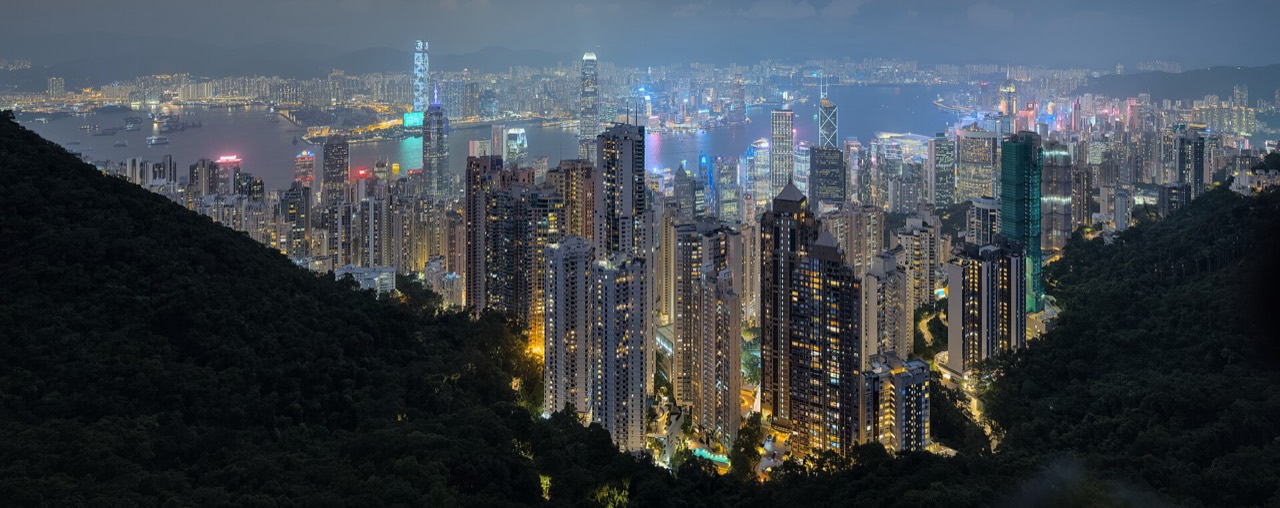
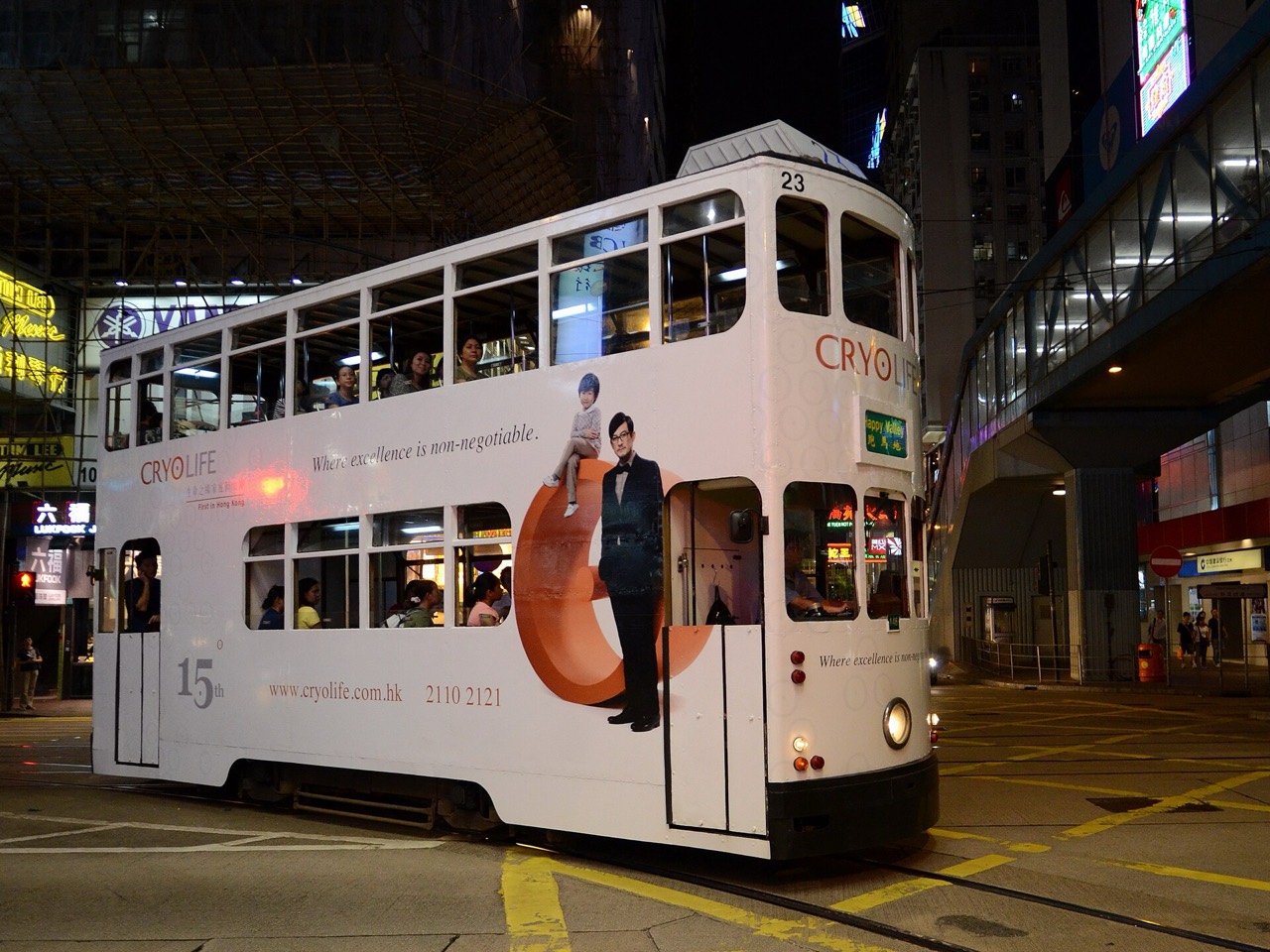
Do the classics without shame. The Peak an hour before sunset (walk down via the Morning Trail if your legs survived the night); the Star Ferry at dusk for the world’s cheapest great view; the ding-ding tram end-to-end across the island with a window seat upstairs. None of these are secrets; all of them are perfect.
Walk the scene’s own neighbourhood sober. Sheung Wan by day is antique shops, temple incense and third-wave coffee: Man Mo Temple’s hanging incense coils, Cat Street’s curio stalls, Tai Kwun (the restored Central police station, now galleries) and PMQ’s design floors — all within ten minutes of Jervois Street.
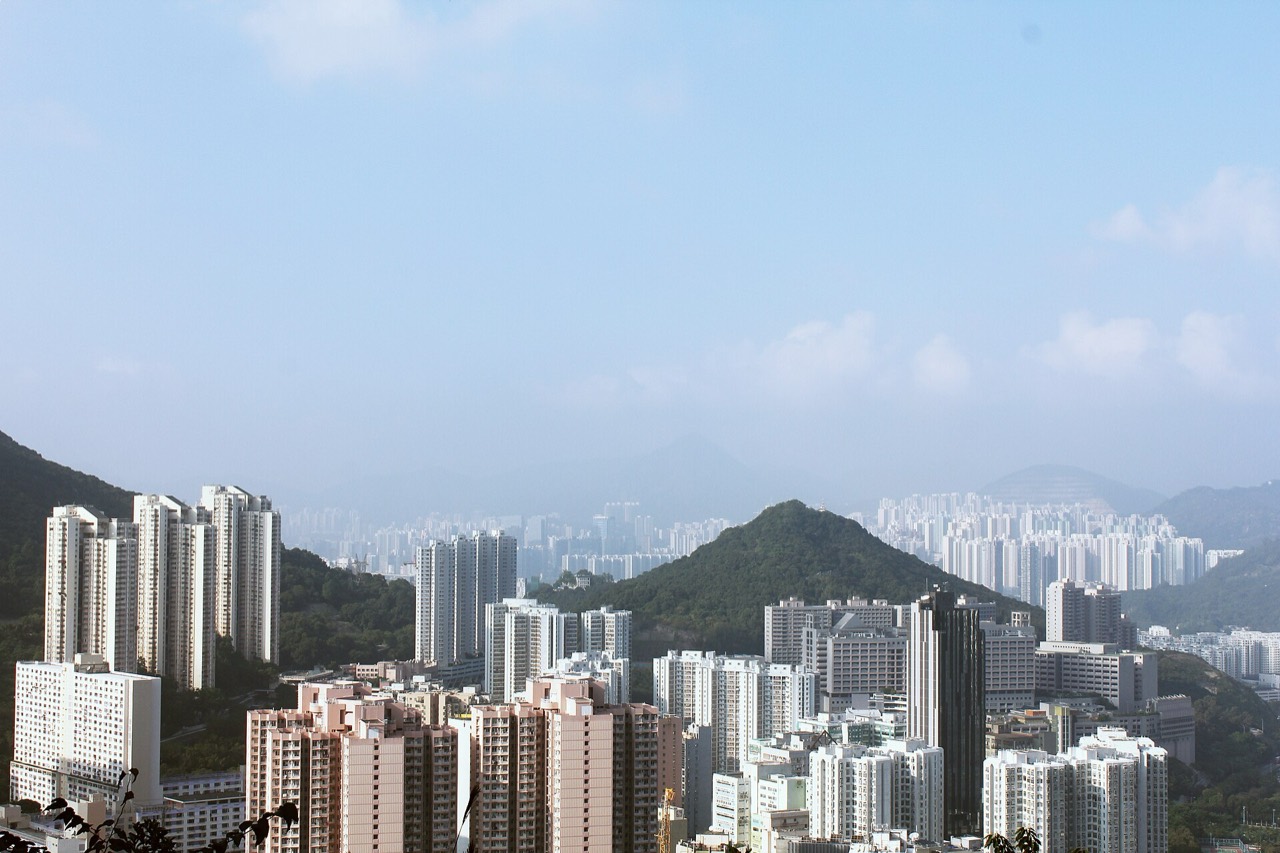
Then do the thing first-timers never expect: leave the city. Three-quarters of Hong Kong is green, and the hikes are world class — Dragon’s Back (bus from Shau Kei Wan, ridge views, ends at Big Wave Bay beach) is the classic half-day; the MacLehose Trail sections above Sai Kung are the ambitious one. Beach days at Shek O or South Bay (the latter the unofficial gay-adjacent strand) round out summer weekends.
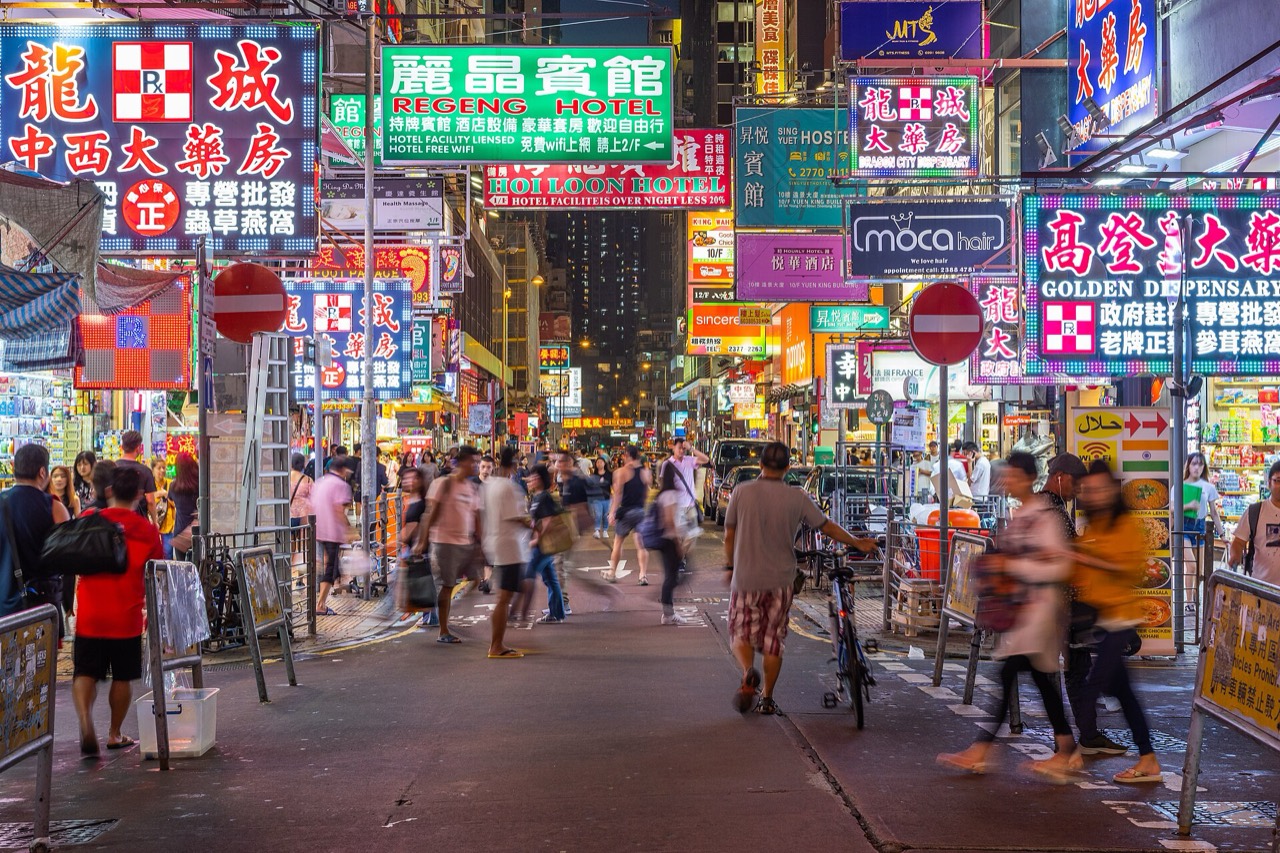
Kowloon for texture. Temple Street’s night market, Mong Kok’s last neon canyons, the flower and goldfish markets, and the M+ museum on West Kowloon’s harbourfront — queer-relevant footnote: its collection includes the region’s best contemporary Chinese art, and the building alone justifies the ferry.
Eat like Hong Kong expects you to eat
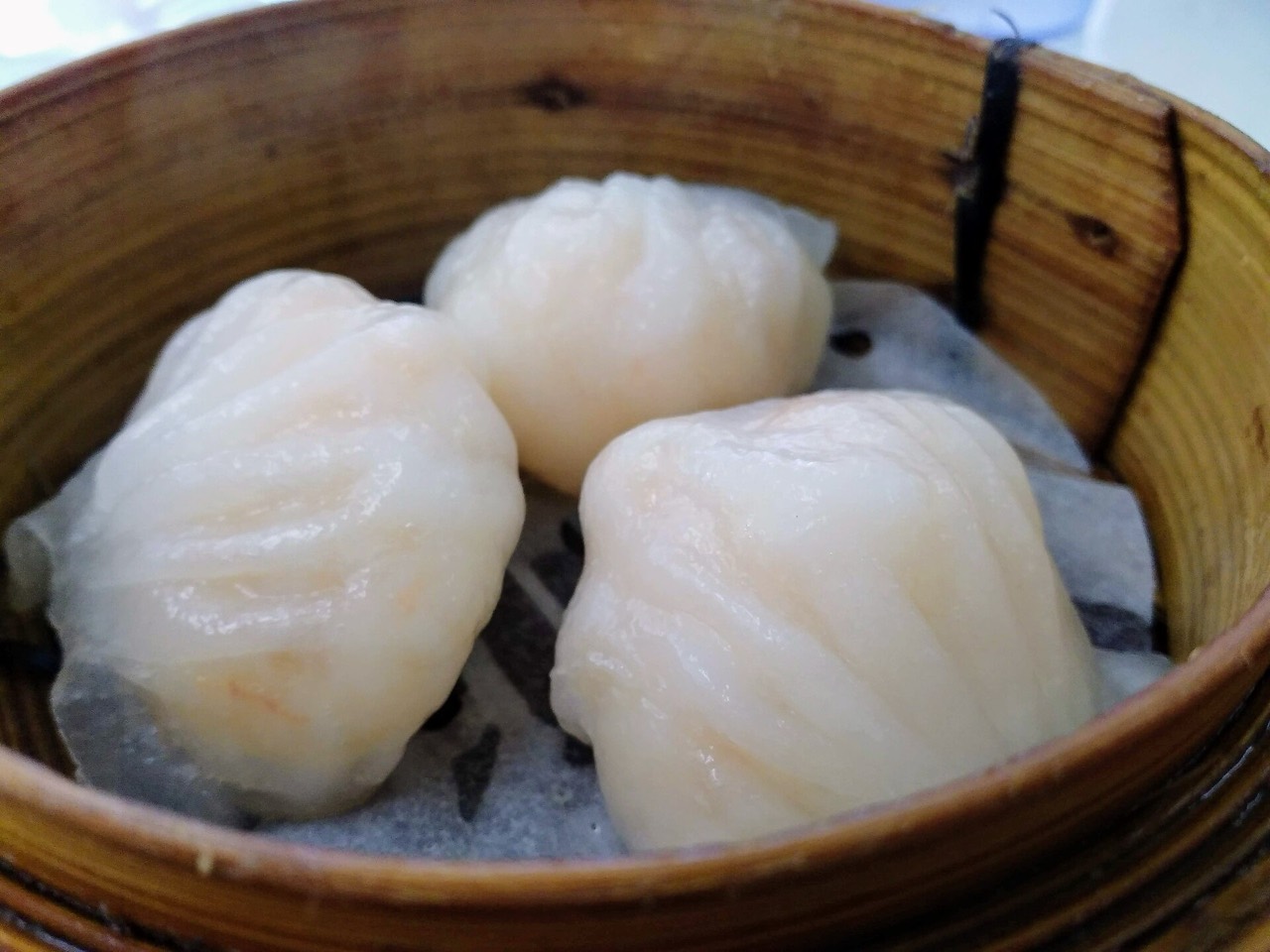
This is one of the planet’s great eating cities at every budget, and the scene’s social life runs through it — weekend dim sum is Hong Kong’s gay brunch. Do one grand yum cha (the classic teahouses take queues or bookings; go before 11am), one cha chaan teng session for milk tea, pineapple buns and macaroni soup (the diners around Jervois Street are perfect hangover engineering), one dai pai dong street dinner (Temple Street for clams and beer under tarpaulins), and one bowl of wonton noodles at 2am because the city insists. Roast goose, egg tarts and mango sago fill the gaps between meals you didn’t plan. Vegetarians eat better than the pork-heavy reputation suggests — temple-adjacent vegetarian kitchens and modern plant-forward spots cluster on the island side. Cantonese food logic and the characters to point at are in our food guide.
Day trips: islands, Macau, and the border question
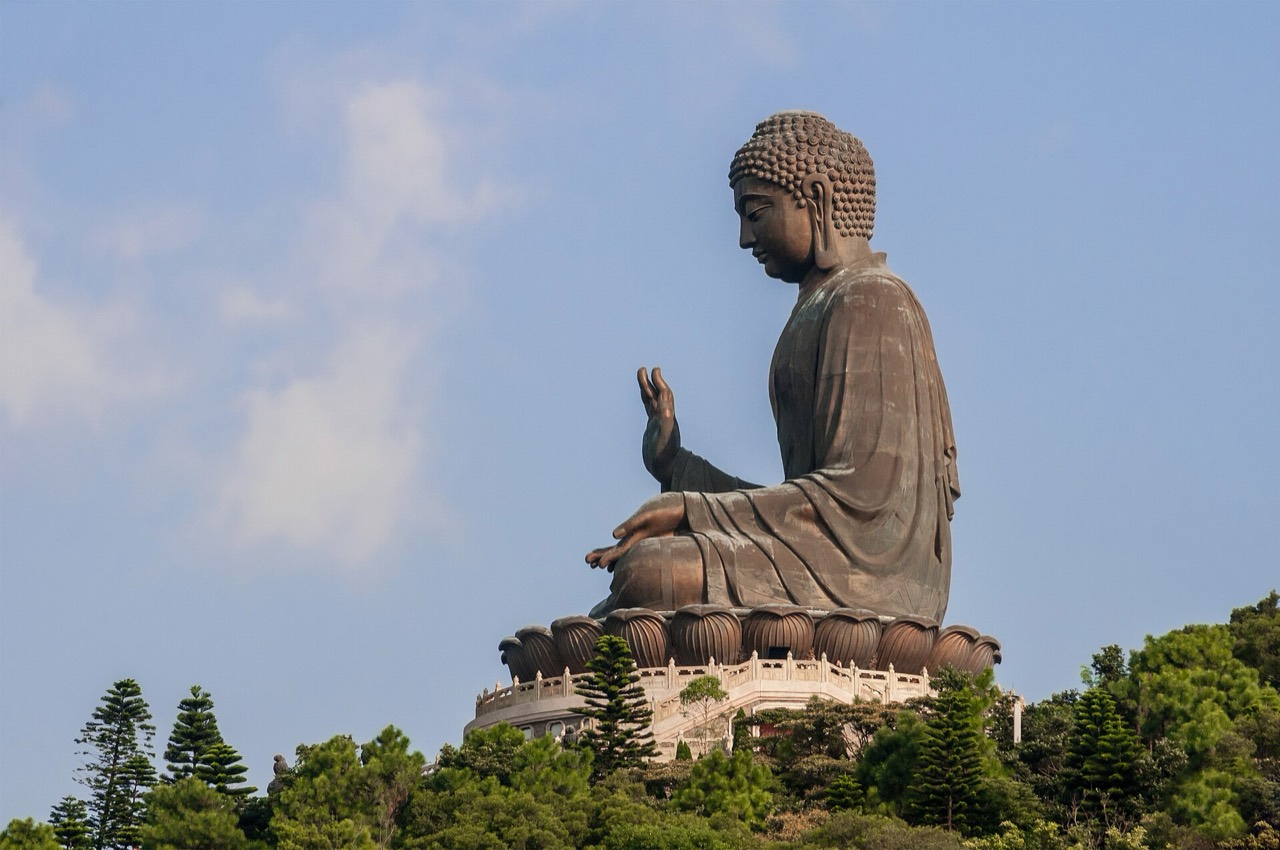
Lantau — the Big Buddha and Ngong Ping cable car, then the stilt-house fishing village of Tai O for the afternoon — is the gentlest full day. Lamma Island (ferry from Central, hike over the hill, seafood dinner at Sok Kwu Wan) is the half-day locals actually do. Macau is an hour by ferry or bridge-bus: Portuguese old town, egg tarts, casino spectacle — our Macau guide covers the queer angle (slim but real). And Shenzhen sits 15 minutes away by high-speed rail — a genuinely different country in every practical sense: you’ll need a China visa or the 240-hour transit rules (visa guide), the firewall starts at the platform, and the scene rules flip back to mainland mode (Shenzhen guide). Hong Kong-to-mainland is the classic route our rail circuit is built around. Two more worth banking for a longer stay: Sai Kung town for boat-fresh seafood and the beaches of the country park (the junk-party coastline, seen soberly), and little car-free Cheung Chau — ferries, fishball skewers, temple lanes and a windsurfing beach, the gentlest island afternoon the city offers.
TL;DR: the practical machinery
When to come
October to December is prime — dry, clear, 20-something degrees, film festival season. March to May is warm and workable; June to September is hot, humid and typhoon-visited (a T8 signal shuts the city for a day — hotels and bars carry on inside; junk season compensates). Chinese New Year is quieter but far less shuttered than on the mainland.
Getting in and around
Most Western passports enter visa-free for 90 days (UK 180). From HKG, the Airport Express does Central in 24 minutes; add an Octopus card at the airport counter and the whole city is tap-and-go — MTR everywhere, trams across the island, ferries across the harbour, taxis cheap by global-city standards. English signage is universal.
Money, phone, health
Hong Kong dollars, cards/contactless everywhere, ATMs abundant; no mainland payment apps needed (though setting up Alipay/WeChat Pay here, with working Google still at hand, is the smart move before a mainland leg). Any SIM/eSIM works unfiltered. Healthcare is excellent; PrEP and sexual-health services exist through private clinics and NGOs at Hong Kong prices — pack what you need rather than planning to buy. Emergency number: 999.
Budget honestly
The one bad news section: Hong Kong is the most expensive stop in Greater China — snug rooms from HK$900+, HK$120 cocktails, HK$50 pints at happy hour. The correctives: the MTR is cheap, dai pai dong and cha chaan teng meals cost less than a Central coffee, hiking is free, and happy hour is a discipline. Full numbers in what a gay China trip costs.
The bottom line
Hong Kong won’t hand you Taipei’s parade or Bangkok’s scale, and it isn’t trying to. What it offers is rarer in this region: a city where you can walk out of a world-class dinner, down a hundred-metre street of openly gay bars, into a 5am hideout, and up a mountain the next morning — all without once calculating who’s watching. The scene is smaller than it was and prouder than it looks, the courts keep inching rights forward even when the politics stall, and the door to the mainland’s hidden scenes is fifteen minutes away when you’re ready for the deep end. Start your Greater China story here, on easy mode — then go see what the rest of the map is hiding.


