
Macau on its own terms
Every guide in this flagship series opens with the honest frame, and Macau’s is the simplest of the lot: this is not a gay nightlife destination, and it doesn’t need to be one to earn a place on your itinerary. The former Portuguese enclave — a peninsula and two stitched-together islands smaller than Manhattan — packs in a UNESCO-listed old town, the most extravagant hotel spectacle in Asia, the world’s first fusion cuisine and an egg tart worth a border crossing. Its dedicated gay scene, meanwhile, currently consists of approximately zero venues. Both facts are true, and this guide takes them both seriously.
What Macau offers the queer traveller instead is ease. This is an open-internet, open-society SAR where Grindr loads without a VPN, where two men checking into one enormous suite raises no eyebrow anywhere, and where — a detail that surprises people — the law protecting gay employees is actually stronger on paper than Hong Kong’s or the mainland’s. Come for a night or two of baroque churches and casino excess, eat magnificently, then take the world’s longest sea bridge to Hong Kong’s scene an hour away. That’s the play, and played that way, Macau is a joy.
Checked against current listings and Macau sources as of July 2026. The short version with the map lives on our Macau hub.
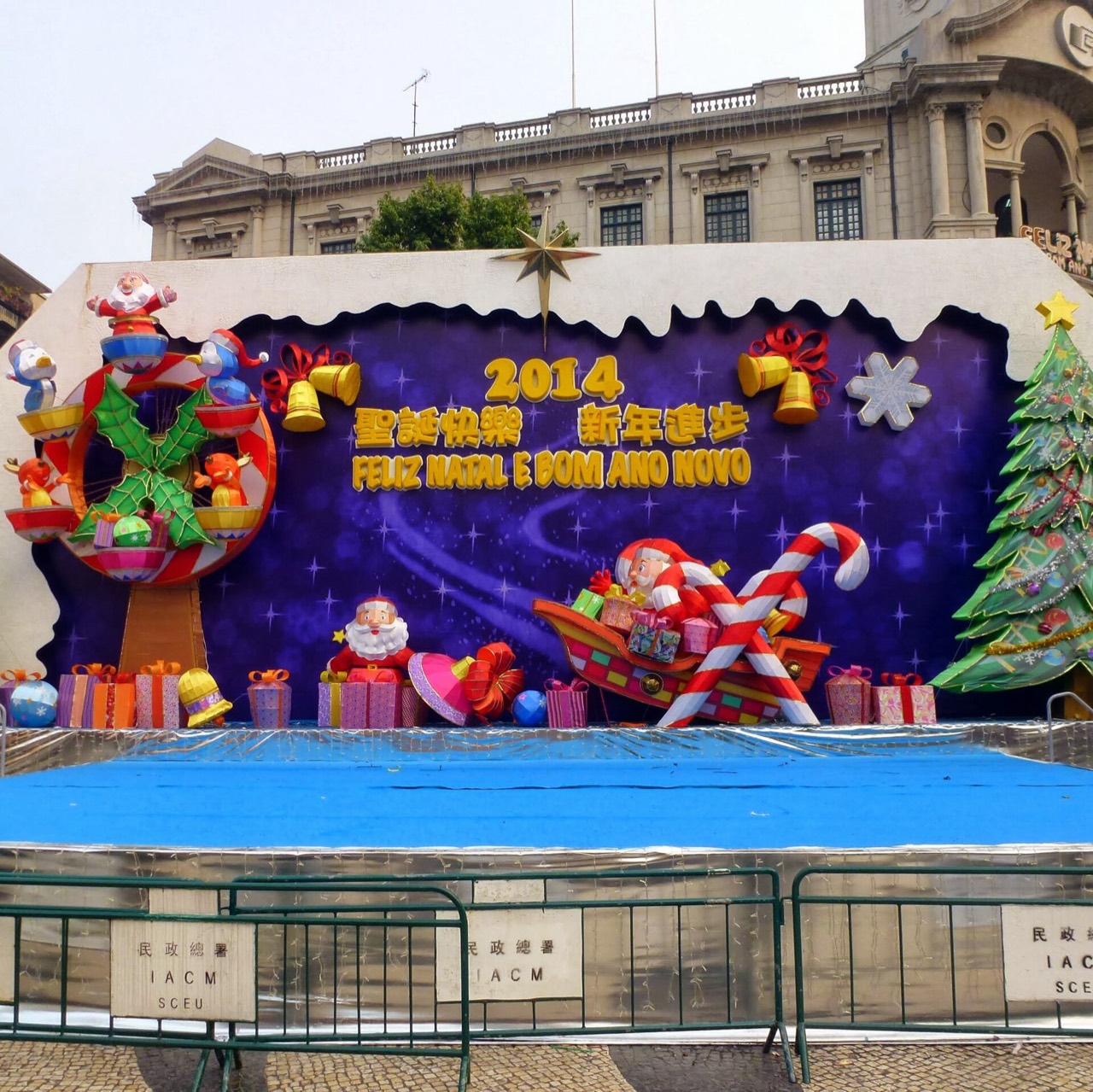
Being gay in Macau: the questions everyone asks
Is Macau gay-friendly?
Friendly, relaxed and unbothered — in the personal sense. Macau is a safe, cosmopolitan tourist city where nobody is checking who shares your bed, and public attitudes track closer to Hong Kong’s live-and-let-live than to the mainland’s discretion culture. What it lacks is infrastructure: no gay bar, no sauna, no Pride. The community is small, largely private, and organises itself over the apps and WeChat rather than around venues. You will feel perfectly comfortable here; you just won’t find a scene.
What’s the legal picture?
Better than you’d guess in one respect. Homosexuality has been legal since the Portuguese-era penal code of 1996, and Macau’s Labour Relations Law (7/2008) explicitly bans employment discrimination on the grounds of sexual orientation — with fines of up to MOP$50,000 per affected worker. That’s a statutory protection neither Hong Kong nor the mainland can match. Beyond the workplace, though, the ledger goes quiet: no partnership recognition of any kind (a 2013 civil-union bill was voted down 17–1), no protection in housing or services, and same-sex couples were even carved out of the domestic-violence law after a 2012 campaign fell short. That 2012 fight, incidentally, is what birthed Rainbow of Macau (澳門彩虹), the city’s first LGBT rights organisation — registered in 2013 and still quietly advocating today. For a visitor, none of this touches your trip: you’re a tourist in one of Asia’s safest cities.
Are there any gay bars at all?
Not dedicated ones — not since Boom Bar on Taipa, the territory’s one proper gay bar, closed its doors. What remains is the friendly-mixed tier: polished hotel cocktail rooms where an obviously-queer table is entirely unremarkable, and the NAPE waterfront bar strip where the crowd is young and nobody cares. The details are in the scene section below — but calibrate your expectations to “lovely drink, no dance floor”.
Do the apps work? Do I need a VPN or eSIM?
Everything works. Macau sits outside the Great Firewall entirely: Grindr, Google, Instagram, WhatsApp all load normally on hotel wifi and local SIMs, and a cheap local eSIM activates in minutes. (If you’re continuing to the mainland, that’s when the blocked-apps reality kicks in — sort your travel eSIM before you cross at Gongbei.) The grids here are thinner than Hong Kong’s but real — a mix of locals, Filipino and mainland hospitality staff, and a rotating cast of casino-resort visitors.
Is there a Pride or any events?
No Pride parade, and no public queer events calendar — the closest Macau came was a small “Rainbow Equality Parade” moment in late 2012 during the domestic-violence-law campaign, and nothing of the kind has recurred. Rainbow of Macau does awareness work rather than street events. If you want a Pride within reach, Taiwan’s is a flight away in late October (our Taipei guide has the details), and Hong Kong’s film festival runs each September.
Is Macau worth it for a gay traveller, honestly?
As a two-night add-on to Hong Kong, emphatically yes — and possibly as the most romantic stop on a China route: absurd suites at sane prices, candlelit Macanese dinners, a lit-up baroque ruin at night. (It features in our honeymoon guide for a reason.) As a standalone week of queer nightlife: no. Set it up as spectacle-plus-food-plus-romance and it over-delivers.
The scene, such as it is — and where to drink
Here’s the full honest inventory of queer-relevant Macau in 2026:
Wing Lei Bar at Wynn Palace is the class act — a 22-seat jewel box of emerald-and-gold panels, semi-precious stonework and an 18th-century chandelier, pouring some of the most inventive cocktails in the territory (5pm–1am; some listings note a Wednesday close — call ahead). It isn’t a gay bar; it’s an expensive, intimate, pointedly inclusive one, and the right setting for the dressed-up date-night drink of your trip. Smart-casual, come for the theatre.
Moonwalker on the NAPE waterfront is the opposite energy: a retro-80s-Miami room of back-lit spirit shelves and Filipino cover bands that has anchored the peninsula’s mainstream bar strip for years and still shows up in the 2026 nightlife listings. It’s mixed, young and loose rather than gay — the kind of place where a queer table blends straight in. It turns clubby after 10pm; treat the whole NAPE strip as your bar-crawl mile and Moonwalker as its anchor, and confirm hours on the night as you would anywhere here.
The casino floors and hotel bars are, functionally, Macau’s real nightlife — open-ended, anonymous and completely indifferent to who you came with. Between the Cotai mega-lobbies, the rooftop lounges and the 24-hour everything, you can assemble a very good night out with zero gay infrastructure involved. For an actual dance floor with your people on it, be honest with yourself and get on the ferry: gay Hong Kong is an hour door-to-door, and the China nightlife guide covers how the wider region works.
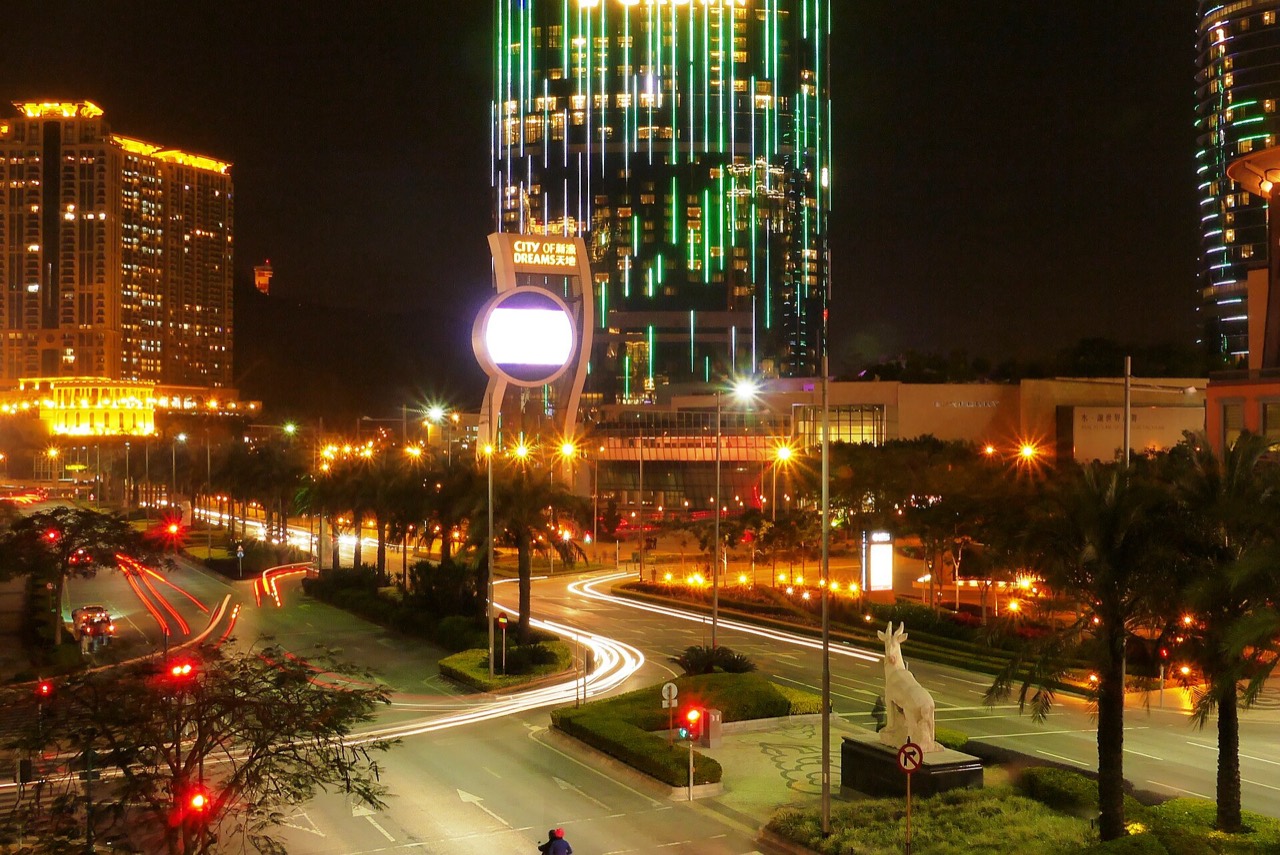
The night-out playbook, Macau edition
Dress one notch up. Macau’s bars live inside five-star resorts; smart-casual gets you everywhere, flip-flops get you nowhere.
Time it like a local weekend. The territory fills with Hong Kong and mainland weekenders Friday to Sunday — livelier bars, pricier rooms. Midweek Macau is quiet, cheap and lovely.
Work the apps early. With no venues to anchor things, meetups here get arranged in the afternoon for the evening. Profiles skew discreet; hospitality-industry shift patterns mean late-night responses are normal.
Casinos are 21+ and passport-checked. Carry it; the scan at the door is routine. Don’t photograph gaming floors.
Getting home is trivial. Taxis are metered and honest by regional standards, the LRT runs across Taipa and Cotai until midnight-ish, and the free casino shuttles (everyone uses them, guests or not) lace the whole territory together until late.
Saunas & spas: the honest word
There is no verifiable gay sauna in Macau — there hasn’t been one in years, and any listing you find online deserves deep suspicion before you cross town for it. This is the thinnest bathhouse market in this entire series; even the ghost listings are sparse. The regional picture is in the saunas guide, and the real answer is forty minutes away: Hong Kong’s legal, listed houses (Gateway, Soda and company — see the Hong Kong flagship).
What Macau does at world level is the luxury hotel spa. The big Cotai resorts run some of the most opulent spa floors in Asia — hammams, vitality pools, treatment suites bigger than apartments — and an afternoon in one is the correct Macau replacement for a bathhouse evening. Book as a couple without a second thought.
Where to stay
Macau is a hotel destination before it is anything else, and the standard is absurd for the price — this is where you book the suite you wouldn’t book elsewhere. The full area-by-area rundown is in our Macau hotels guide; the short version: Cotai for the integrated-resort spectacle (The Venetian, Galaxy, City of Dreams and their siblings — pools, spas and shows without leaving the building; Andaz Macau is our design-forward pick of the strip), the Peninsula for heritage walkability — the old town, the Portuguese streets and the NAPE bar strip on your doorstep. Same-sex bookings are a non-issue absolutely everywhere; one king bed means one king bed.
Daytime Macau: the two-day playbook
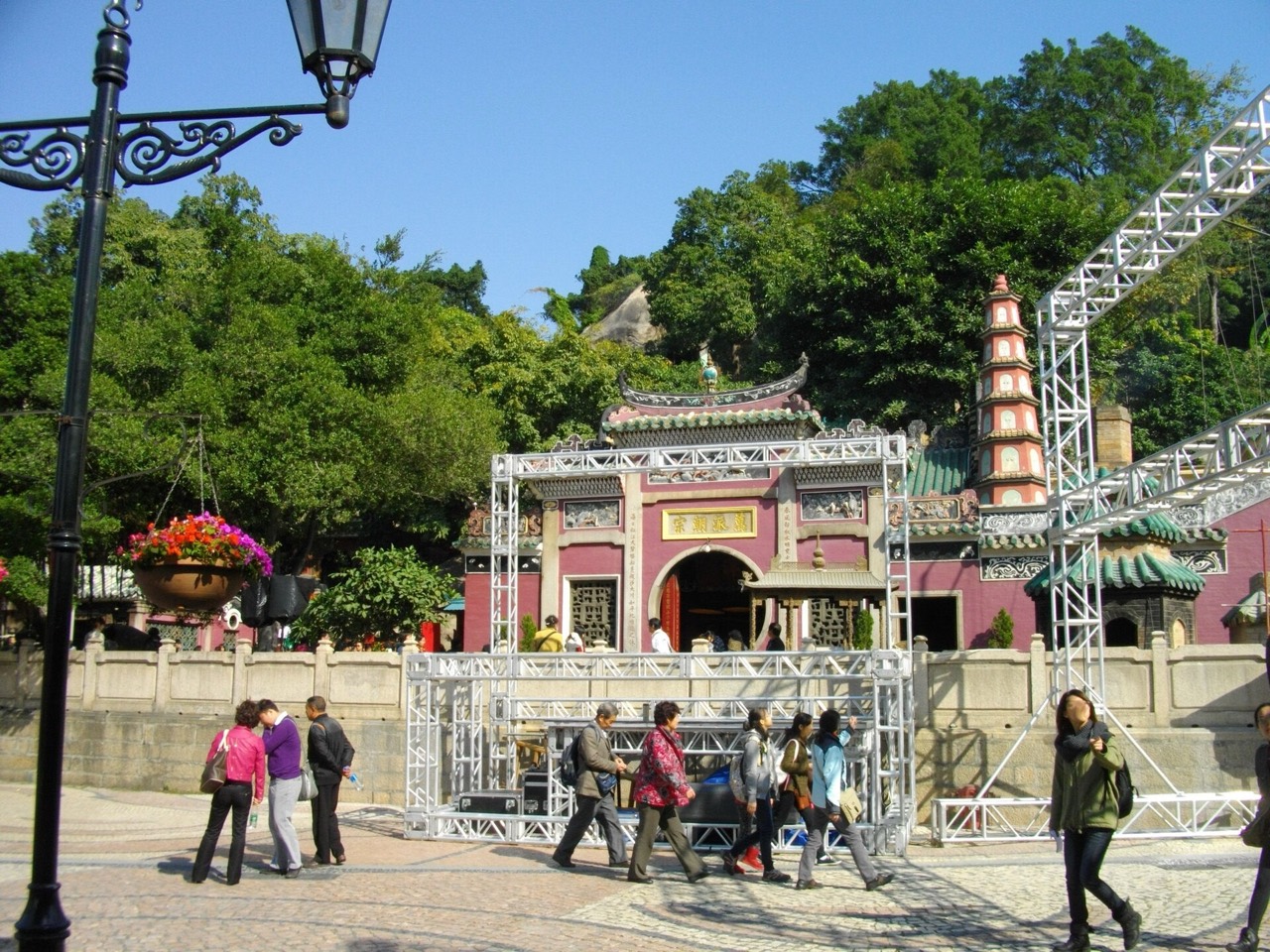
Day one: the Peninsula. Start at the Ruins of St Paul’s before 9am to beat the tour groups — the 1602 cathedral facade standing alone atop its staircase is the territory’s icon, and it earns the crowds (come back after dark, too: lit up, it’s better). Duck one lane south to Travessa da Paixão — “Love Lane”, a pastel Portuguese alley that has become the local couples’ photo spot, ours included. Wander down through Senado Square’s wave-patterned calçada, detour into St Dominic’s, then walk the length of the old town to A-Ma Temple, the 15th-century sea-goddess shrine that predates the city and probably named it. Finish on Guia Hill — a cable car, a chapel with rediscovered frescoes, and the oldest Western lighthouse on the China coast.
Day two: the islands. Cross to Taipa Village, where the neon-signed Rua do Cunha food street and the mint-green colonial houses along the old praia make the best wandering in the territory. Then go full spectacle on Cotai: gondolas under a painted sky at the Venetian, the fountain-and-light circus of the strip after dark, and whichever mega-show is running that season (if The House of Dancing Water is playing during your dates, book it — it’s the best stage spectacle in Asia). Adrenaline case: the Macau Tower bungee is the world’s highest commercial jump at 233 metres. End quiet in Coloane village — sleepy lanes, the yellow chapel of St Francis Xavier, and the reason you came, below.
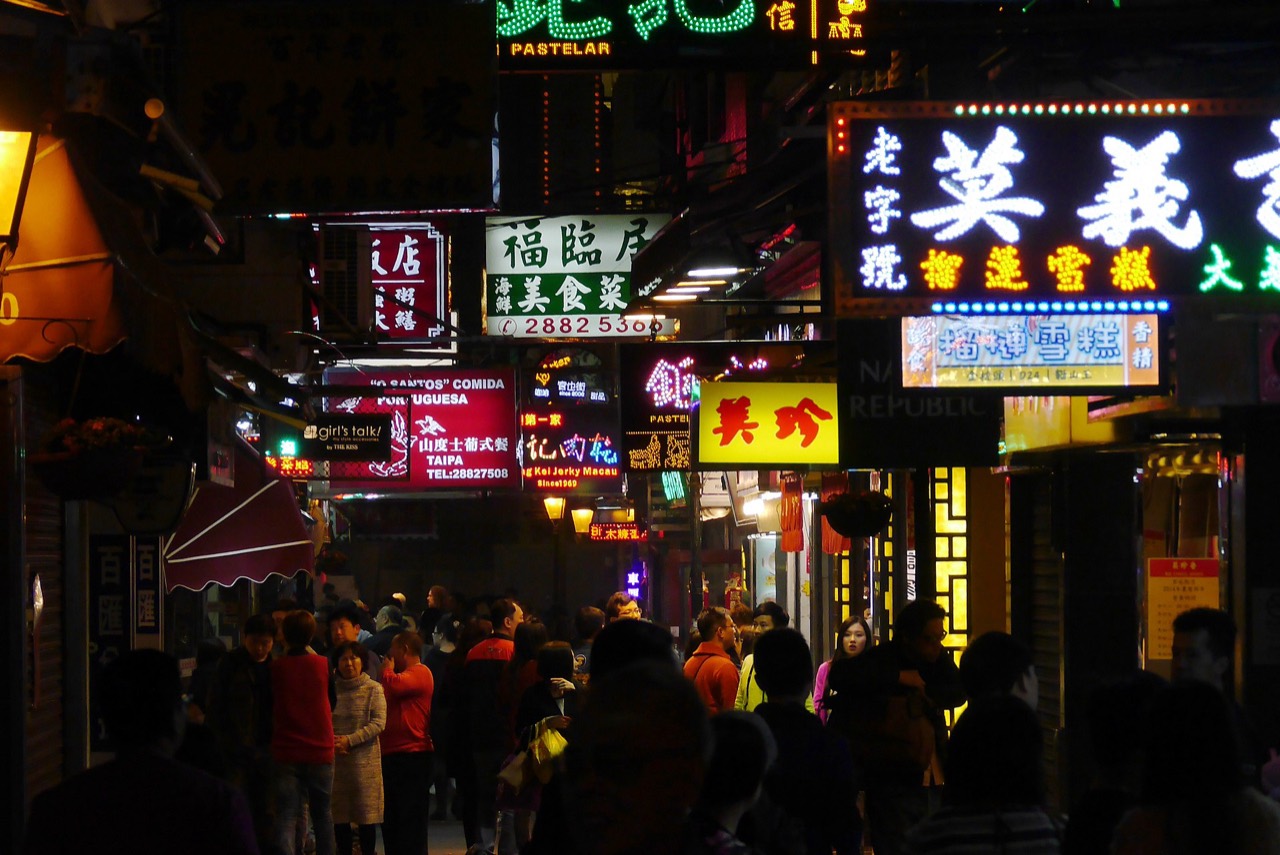
Eat like Macau invented fusion — because it did
Four and a half centuries of Portuguese-Cantonese marriage produced Macanese cuisine, arguably the world’s first fusion food, and eating it is the single most Macau thing you can do. The canon: minchi (soy-caramelised minced beef with potato and a fried egg — the territory’s comfort dish), African chicken (piri-piri by way of Goa and Mozambique), baked Portuguese chicken, and bacalhau in every form. The old Macanese family diners around the peninsula and Taipa serve it without ceremony; ask your hotel concierge for their own favourite rather than the one with the queue.
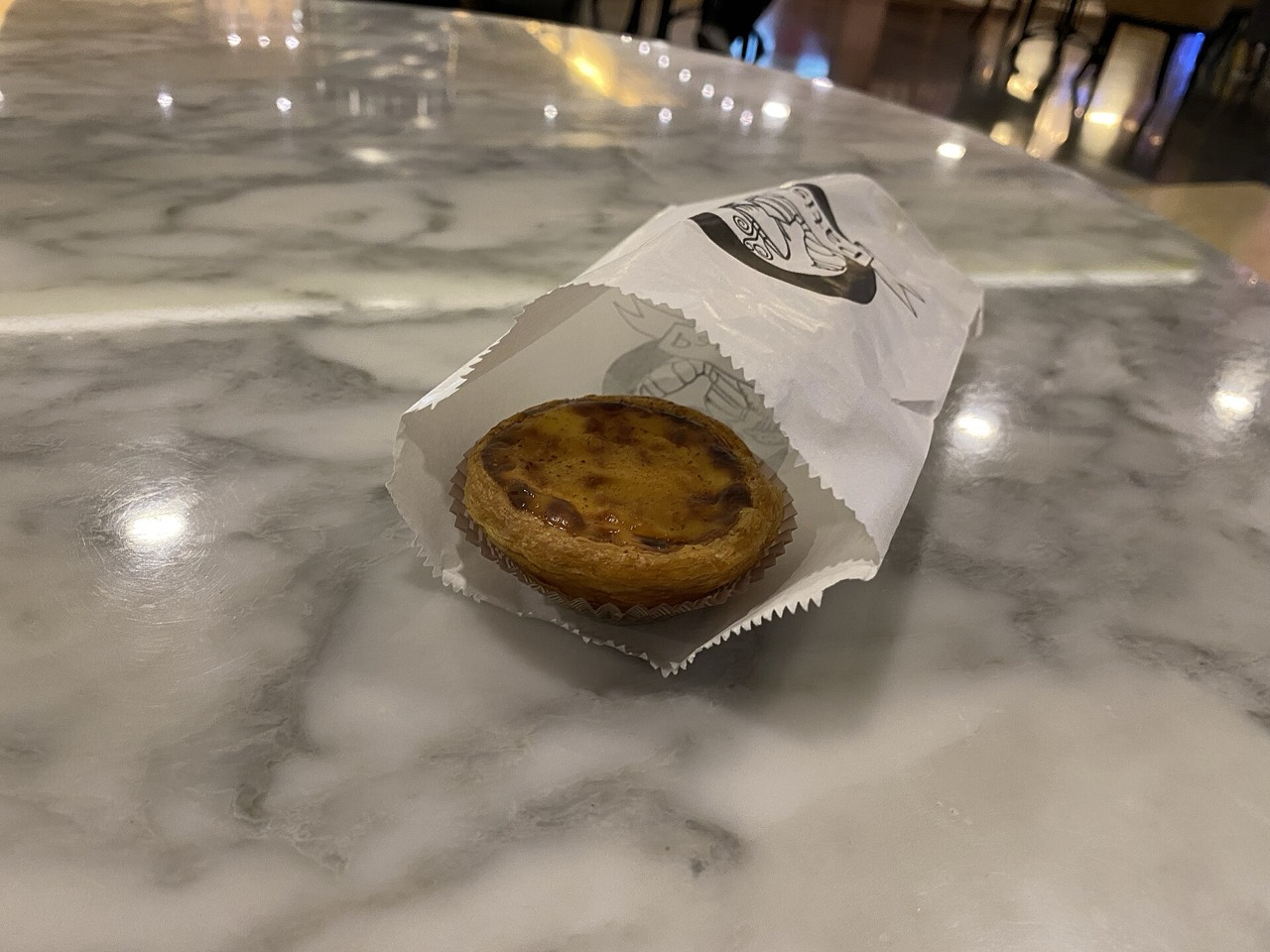
Then the greatest hits: the pastel de nata pilgrimage runs through Lord Stow’s original bakery in Coloane (the burnished, custard-wobbling benchmark since 1989) and Margaret’s Café e Nata on the peninsula — partisans exist for both; eat both. Add a pork chop bun in Taipa, almond-cookie grazing down Rua do Cunha, and one blow-out meal in a casino flagship — Macau holds more Michelin stars per square kilometre than almost anywhere on earth. Budget note: street-and-diner Macau is cheap; the resorts are not. Full strategy in the food guide.
The Hong Kong pairing — and other exits
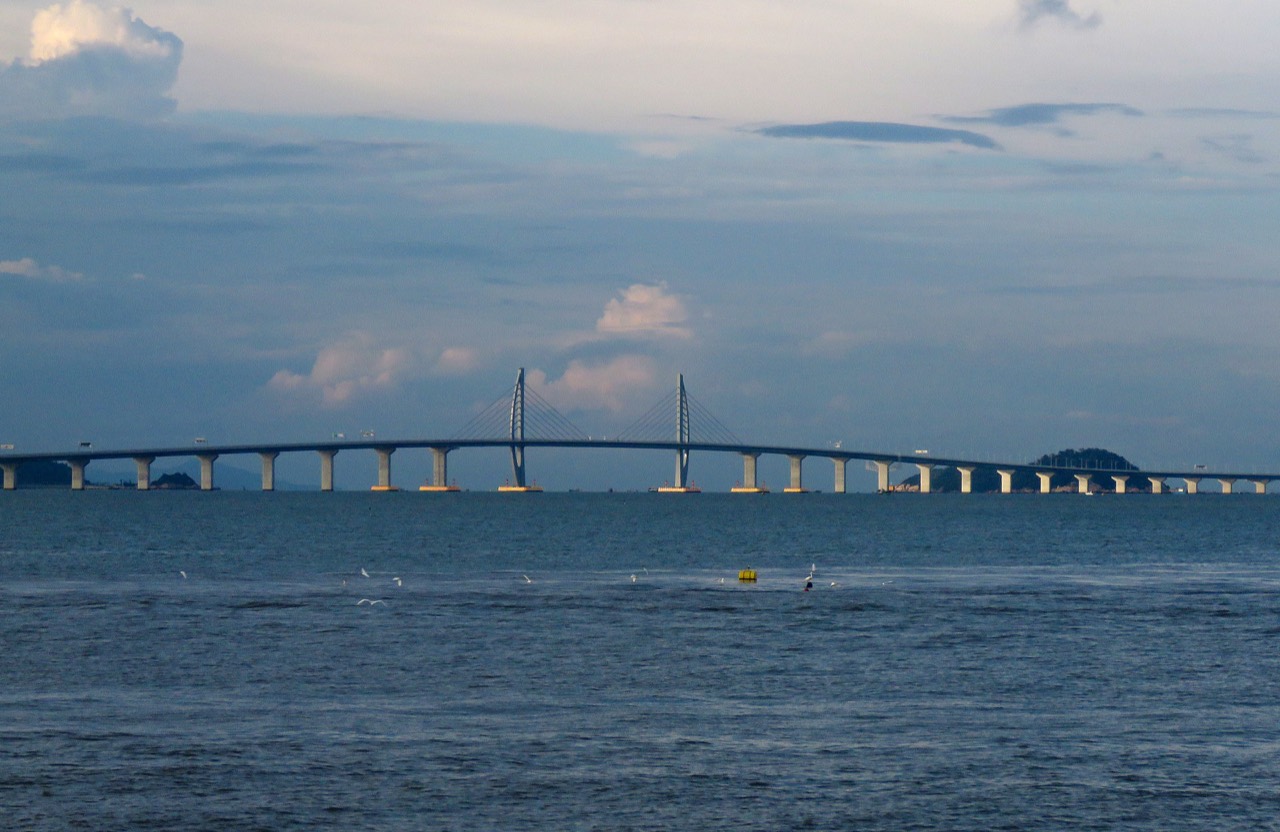
Macau’s best queer feature is its location. Hong Kong is an hour away by two routes: the ferry (TurboJET to Sheung Wan or Cotai Water Jet to Taipa-side, roughly hourly, ~60 minutes) or the Hong Kong–Zhuhai–Macau Bridge, the 55km sea crossing whose 24-hour shuttle bus makes even a late club night in Central technically commutable — though staying over is the sane move. The natural route: two nights of Macau spectacle, then the weekend in gay Hong Kong; our itinerary guide slots the pairing into a longer China route.
Zhuhai and the mainland sit across the Gongbei and Hengqin borders (the latter 24-hour) — remember that crossing means entering mainland visa territory (check your options) and the firewall. Macau itself is visa-free for most Western passports for 30–90 days, entirely separately from mainland rules — which is exactly what makes it such an easy add-on.
TL;DR: the practical machinery
Getting in and around
Most arrive by ferry or bridge from Hong Kong (including direct from HKG airport without clearing Hong Kong immigration — a great trick); Macau International (MFM) handles regional flights. Inside the territory: the LRT covers Taipa–Cotai, taxis are metered, and the free casino shuttles from the ferry terminals and border gates are the open secret of Macau transport — anyone can ride. The old town is entirely walkable, in a sweaty, cobbled, delightful way.
Money & phone
The pataca (MOP) is pegged just below the Hong Kong dollar, and HKD is accepted everywhere (usually 1:1 — the casinos deal exclusively in it). Cards and contactless work in all but the smallest diners; no mainland-style app wall exists, though Alipay/WeChat Pay work fine too. Open internet, cheap local eSIMs, no VPN needed — the anti-mainland, connectivity-wise.
When to come & what it costs
October to March is the sweet season — dry, mild, clear. Summer is a steam bath with typhoon-season roulette (August–September). Avoid Chinese public holidays and Golden Week, when hotel rates triple (the holiday guide explains). Midweek, Macau’s five-stars are some of the best hotel value in Asia; weekends they’re Hong Kong-priced. Budget lines in the costs guide.
Safety
One of the safest cities you’ll ever visit — heavily policed, brightly lit, and courteous to a fault. LGBTQ+-specific risk is essentially nil for a visitor; the wider regional picture is in the safety explainer. The genuine hazards are sunstroke, casino losses and egg-tart overcommitment.
The bottom line
Macau will not give you a gay scene, and it’s honest enough not to pretend otherwise — one closed bar, zero saunas, no Pride, and a workplace-discrimination law quietly better than its famous neighbour’s. What it gives you instead is forty-eight hours of things almost nowhere else can stack together: a baroque ruin glowing over a Chinese old town, a gondola under a fake Venetian sky, the world’s first fusion cuisine, a suite upgrade that costs less than a Hong Kong parking space — and a bridge at the end of it with a dance floor on the other side. Book the nice room. Share the egg tarts. Save the big night for Hong Kong, and let Macau be what it actually is: the romantic interlude of the trip.


