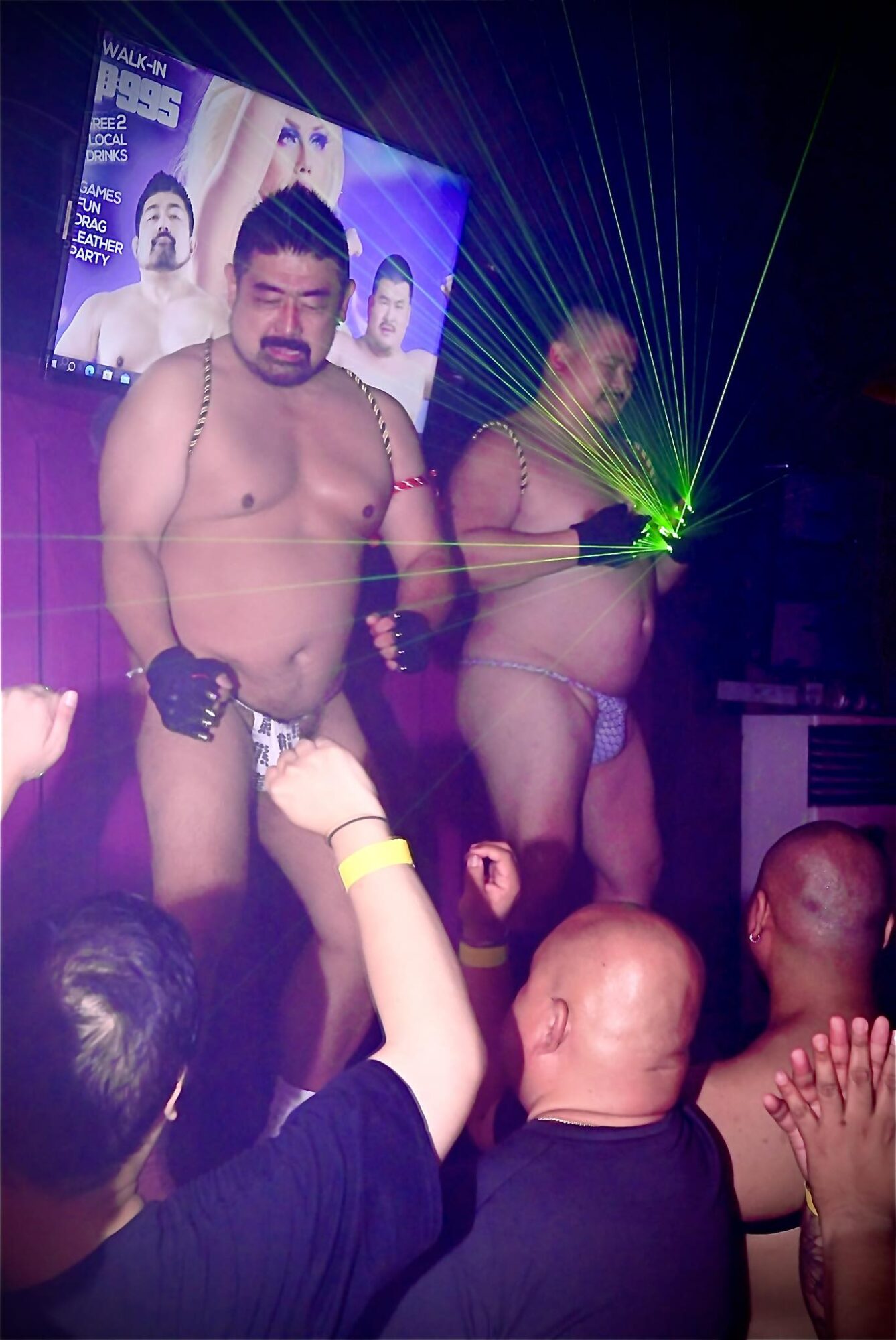
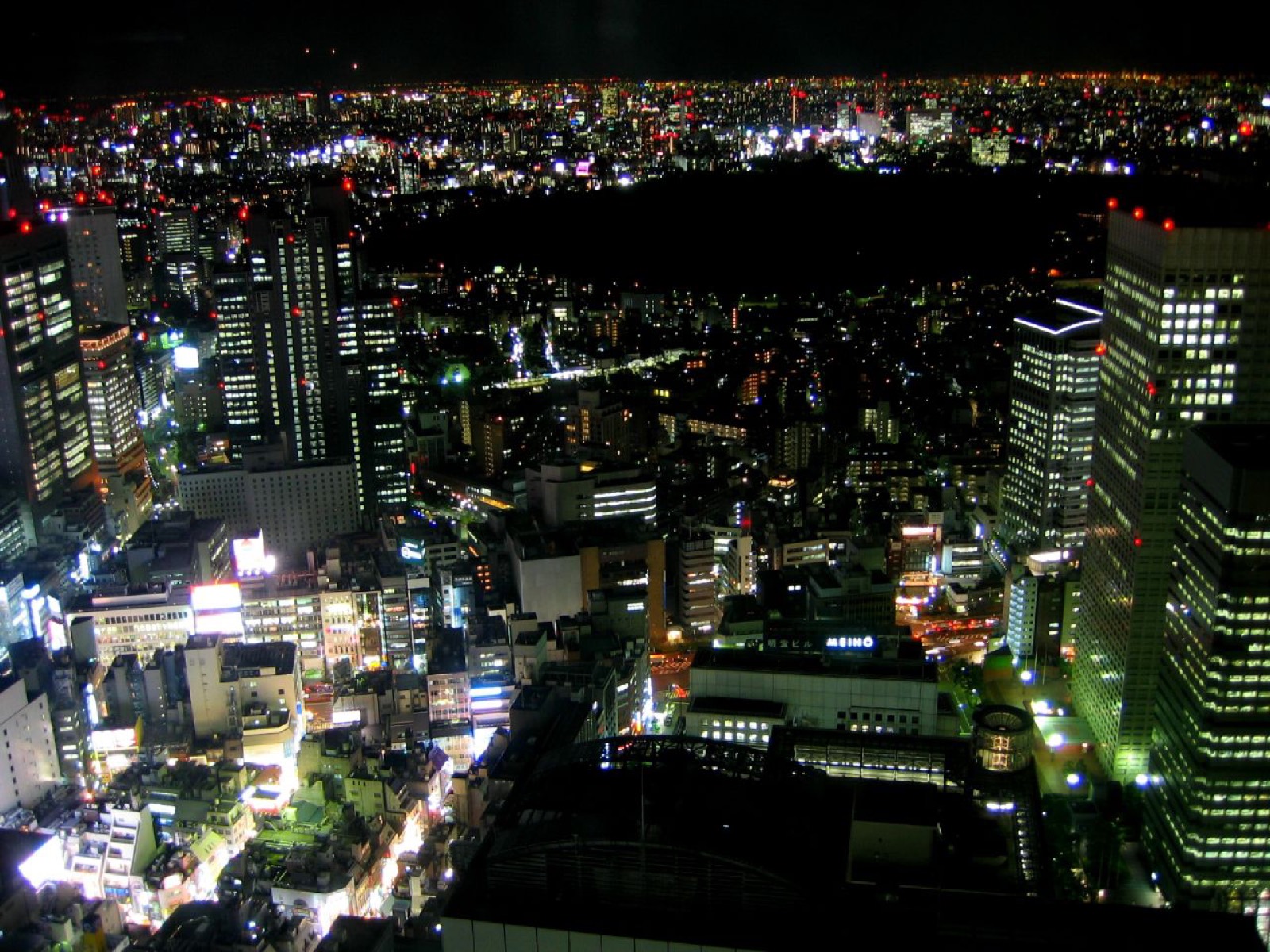
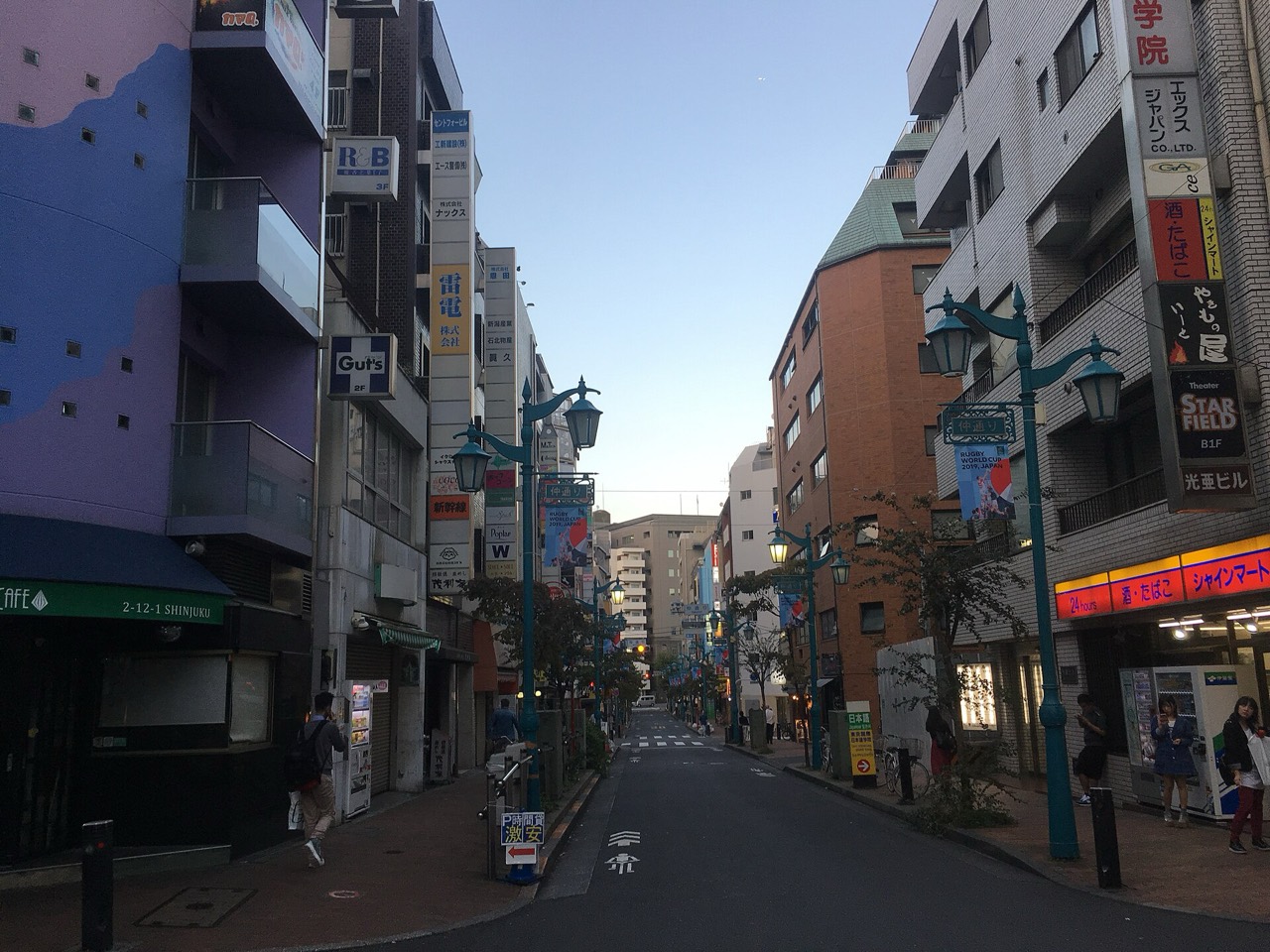
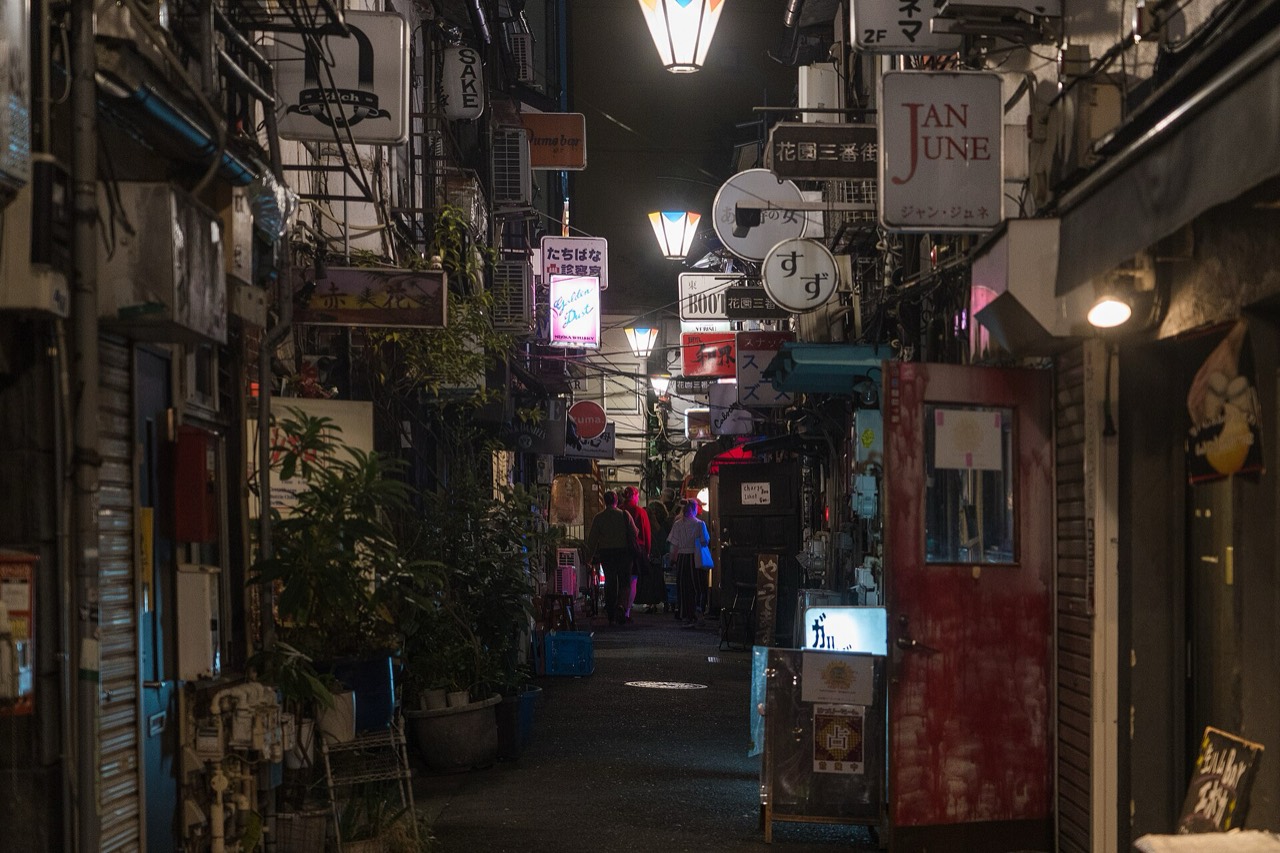
Shinjuku Ni-chōme — the densest gay district on earth, run on hundreds of tiny bars.
Overview
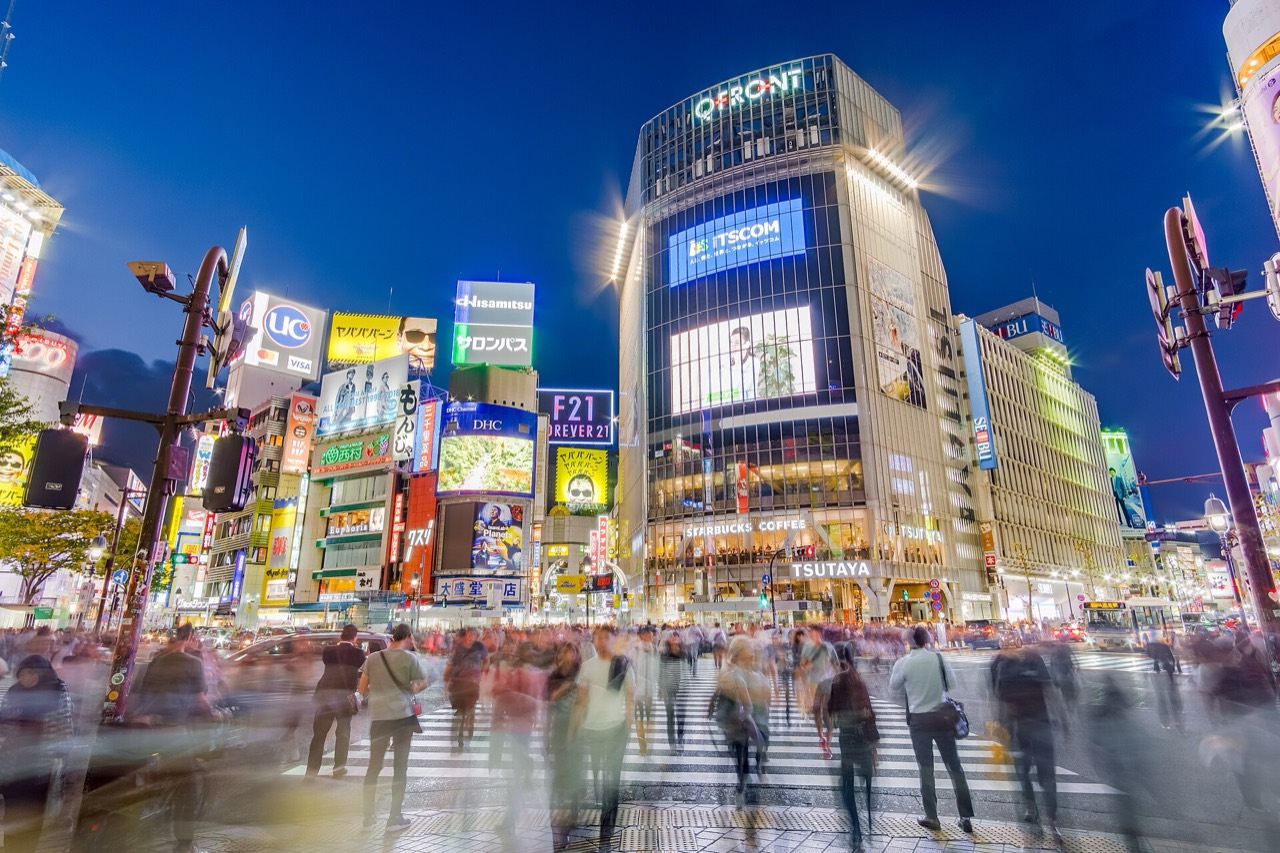
Tokyo’s gay scene is concentrated overwhelmingly in Shinjuku Ni-chōme (新宿二丁目), a dense grid of small bars and clubs widely regarded as the largest gay district in Asia by venue count. A secondary cluster exists in Shibuya, with a few venues scattered in Roppongi and Nakameguro.
Post-2020 Tokyo has shown resilience compared to many global cities — most anchor venues survived the pandemic, though smaller bars consolidated or closed. App culture (Grindr, 9monsters, Scruff) is extremely active, but physical venues remain central to the community in a way that is more Bar-centric than club-centric: most venues are tiny, standing-room affairs seating 10–30 people. Ni-chōme is broadly welcoming to international visitors, though some bars display “members only” or “Japanese only” signs — read the door before you push it open.
The annual Tokyo Rainbow Pride (typically late April or early May at Yoyogi Park in Shibuya) is one of the largest Pride events in Asia and draws tens of thousands.
Explore the map below to see the venues we track in this city.
Tap a venue to locate it · cluster coordinates — editor refines per address
Shinjuku Ni-chōme is the densest gay district on earth — over a hundred small bars packed into a few blocks east of Shinjuku San-chōme station. Most rooms seat 10 to 30 people. Walk in standing-room ready.
Advocates Cafe is the easiest first stop for a foreign visitor — small terrace seating that spills onto the laneway, casual, English-accommodating, no entry charge. Drift here from 8pm onwards.
AiiRO CAFE is the relaxed, budget-friendly Ni-chōme classic — loyal local crowd, low pressure, the perfect place to actually chat someone.
Arty Farty is the long-running bar-with-a-floor — a small dance space bridges to club energy without leaving the district. Mixed-age, mixed-nationality.
Dragon Men skews more expat-friendly with English-speaking staff. Eagle Tokyo is the leather/bear room. Goldfinger is the women-focused bar — vital for editorial balance, and one of the few lesbian-anchored spaces in central Tokyo.
Ni-chōme rule: some bars carry “Japanese only” or “members” signs. Read the door, respect the sign, never push.
Tokyo’s gay sauna scene is older, more traditional, and more discreet than Bangkok’s — but very much alive.
24 Kaikan Shinjuku (24会館新宿) is the most internationally referenced — a multi-floor complex with sauna, rest areas, and cruising spaces near Ni-chōme. Entrance fees are charged by time block. Primarily Japanese clientele; international visitors are accepted. Editor verify: the chain has restructured some locations — confirm Shinjuku branch is still operating before the trip.
Other 24 Kaikan branches (Asakusa, Ueno) exist or have existed historically. Each runs a slightly different demographic. The general etiquette: pay, locker, towel, explore at your pace.
Tokyo Rainbow Pride is Japan’s biggest LGBTQ+ event — centred on Yoyogi Park in Shibuya, typically late April to early May, with a parade through central Tokyo. Draws tens of thousands. Corporate sponsorship is heavy.
The parade itself is free; the festival area sometimes requires entry. Dates shift annually — always confirm on tokyorainbowpride.com before booking accommodation around it.
Beyond Pride, Ni-chōme has rolling weekly events — theme nights, drag, themed parties — tracked best through the venues’ own social media.
For the scene, base in Shinjuku — you’re a 10-minute walk from Ni-chōme, the transport hub is at your door, and the hotel selection is the city’s best.
Mid-range: Hotel Gracery Shinjuku (the one with the Godzilla head — gimmick aside, it’s well-run and central). Citadines Shinjuku for apartment-style stays.
Splurge: Park Hyatt Tokyo (the “Lost in Translation” hotel, still a destination), Aman Tokyo in Otemachi (calmer, ryokan-modernist), Hoshinoya Tokyo (urban onsen ryokan).
For a more design-led mid-range, Shibuya works — you trade a short metro ride to Ni-chōme for a livelier daytime neighbourhood.
Booking a single bed for two men is unremarkable at any of these. Japanese hotels don’t ask.
Tokyo eats brilliantly at every price point. The fast guide:
Sushi. Standing-sushi (tachigui) at Uogashi Nihon-ichi for affordable proper sushi, or the omakase counters in Ginza for the splurge.
Ramen. Ichiran (tonkotsu, partition booths — touristy but consistently good) or Afuri (yuzu-shio, lighter). Lines move fast.
Izakaya. The small-plate-with-beer culture is the most fun way to eat with friends. Try the alleys under the tracks at Yurakucho or Ebisu.
Coffee. Blue Bottle and Onibus are global standards; Bear Pond Espresso is the cult pick. For the morning after.
Three days in Tokyo — queer-comfortable, jet-lag-aware, and easy on the legs.
Friday — landing & Ni-chōme crawl. Land, drop bag, late afternoon coffee in Shibuya or Harajuku. Standing-sushi or ramen for dinner. From 9pm, walk to Ni-chōme. Start at Advocates or AiiRO, drift to Arty Farty when the floor energy builds, finish with a quiet last drink at a smaller bar.
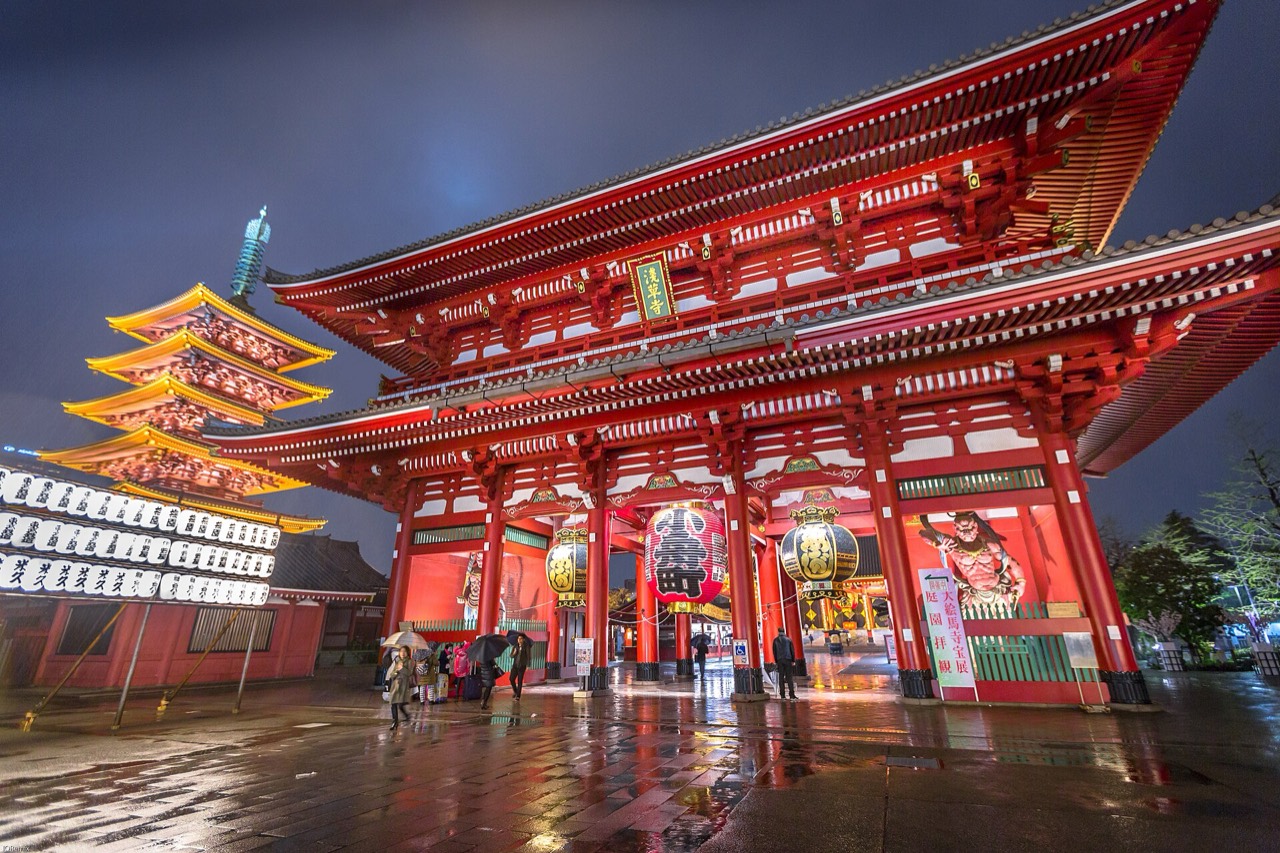
Saturday — sights then party. Morning at Meiji Shrine or Senso-ji. Afternoon at TeamLab Borderless or the Mori Art Museum. Dinner at an izakaya. Ni-chōme harder — this is the busy night. Stay late, leave when the trains restart at 5.30am.
Sunday — Yoyogi & the after. Yoyogi Park in the morning (cosplay kids in spring, picnicking families year-round), then Akihabara or Nakano Broadway for the weird. If you’re here for Pride, the parade is here. Fly home Monday refreshed.
The bathhouse, sauna and male-massage scene — how the local rhythm runs, where the regulars actually go, and what the smart traveller books before flying in.
Tokyo runs an older, more traditional, more Quietly persistent gay sauna scene than Bangkok’s open marketplace. The bathhouses here are part of a longer cultural lineage and the etiquette is correspondingly more carefully observed.
24 Kaikan Shinjuku (24会館新宿) is the most internationally referenced venue — a multi-floor complex near Ni-chōme with sauna, rest areas, cruising spaces and time-block pricing. Primarily Japanese clientele; international visitors are accepted with the standard local etiquette of read the room, signal politely, respect a graceful refusal. The chain has restructured locations over the years; (confirm the Shinjuku branch is currently operating before the trip).
The wider Tokyo sauna scene includes several other 24 Kaikan branches (Asakusa, Ueno historically) and a number of independent venues that don’t advertise broadly in English. The Ni-chōme bars are the recommendation network: a friendly conversation at Advocates or Dragon Men yields names that don’t show up on Western Google.
The wider Japanese onsen and sento (public bath) culture is the legitimate cultural depth — mostly single-gender, entirely straight-coded, but a foundational experience of Japanese travel. Spa LaQua Tokyo Dome is the most accessible onsen experience in central Tokyo. The traditional ryokans of Hakone (90 minutes from Shinjuku by Romance Car) are the deeper version. Not gay-specific; quietly comfortable for a same-sex couple booking together.
For male massage in the gay-coded sense, Tokyo’s market is Significantly more discreet than Bangkok’s. The practitioners exist but operate largely through Japanese-language websites and personal referral; English-friendly options are rare. The smarter foreigner-friendly route is a proper Japanese deep-tissue clinic for actual bodywork (the Karate-tradition gyms in Shinjuku often offer affiliated massage at high quality) and the bathhouse for everything else.
Many international visitors stay at Park Hyatt or Andaz Tokyo partly for their excellent in-house spas — a respectable five-star spa booking handles the actual recovery the bathhouse doesn’t do.
Hookups in Tokyo follow the careful Japanese register. Apps work (Grindr, Tinder, Scruff, 9monsters which is the Japanese-language gay-bear app), but the tempo is slower and the etiquette more carefully observed than in Bangkok or even HK. The Ni-chōme bars are explicitly not pickup bars in the Western sense. The social code is “drink, chat, exchange contacts, perhaps meet again separately,” not “come back tonight.” First-time visitors who treat Ni-chōme like Soho or Silom miss the register.
The structural workaround Japan invented: the love hotel. Found in Shinjuku 2-chōme-adjacent and across Tokyo, love hotels rent rooms by 90-minute “rest” periods (¥4,000–7,000) or overnight “stay” periods. Privacy is total; check-in is via panel-selection touchscreen with no human interaction. This is how app-meets in Tokyo overwhelmingly happen — you book the meet, you book the love hotel, no awkward navigation needed.
The money-boy economy in Tokyo operates in two distinct registers. First, the gay host bars (urisen 売り専) — a Japanese category where bookable young men work in specific establishments, primarily in Shinjuku Yochomachi and a few other clusters. Pricing is transparent (¥10,000–30,000 for a session including drinks and time). Sex work in Japan operates under a complex legal framework with specific permitted activities and prohibited ones; the urisen system has operated continuously for decades. Second, the app-based MB scene on Grindr and on Japanese-language platforms — less visible than Bangkok’s, more individual practitioner than agency-driven. Foreign visitors should approach urisen bars with explicit guidance from a local who knows them. The cultural codes are specific and the language barrier matters here.
Adult massage in Tokyo follows the same careful-register logic. A gay-specific male-massage marketplace exists but operates primarily through Japanese-language websites and personal referral. English-friendly options are rare. The smarter foreigner-friendly route for actual adult-massage is to book a hotel call-out through agencies that cater to international visitors — specifically marketed, with the Tokyo-Pride concierge networks being one entry. ¥20,000–40,000 for a session is the realistic range. For purely therapeutic deep-tissue work, the karate-tradition clinics in Shinjuku are excellent and entirely non-sexual.
Safer-sex notes. Japan’s PrEP access has historically been more limited than Taiwan’s or Thailand’s, although access expanded modestly in 2024. Bring supply. HIV/AIDS testing is free and anonymous at health centres (保健所), and Tokyo Pride community organisations run gay-friendly testing. Condoms are universal at convenience stores. The infrastructure is competent but less gay-specifically loud than Thailand’s.
The things we’d tell a friend before they fly in.
Been to Tokyo? Reviews of venues, closures to flag, new bars to share — drop a note below. We read every comment.