
Zhengzhou on its own terms
Let’s be straight with you, because this guide’s only job is to be useful: Zhengzhou is not a gay destination, and we won’t dress it up as one. What it is, is the great railway junction of China — capital of Henan, the province where Chinese civilisation got started, with half the country seemingly changing trains here on any given afternoon. If you’re riding the high-speed-rail circuit between Beijing and Xi’an, Zhengzhou is the hinge in the middle — and the springboard for two of the best day trips in the country, the Shaolin Temple and the Longmen Grottoes.
The queer layer here is real but almost entirely invisible: no verifiable gay bar, no listed sauna, a scene that lives on Blued and in WeChat groups rather than behind any door we can send you to. That’s not a failure of research — it’s the honest shape of a big, hard-working, conservative-leaning provincial capital. So this is our shortest kind of city guide: the truth about the scene in a few paragraphs, and then everything that actually makes a stop here worth your time — 8,000-year-old bone flutes, kung-fu monks, cliff-carved Buddhas and the best bowl of noodles in the Yellow River basin.
Being gay in Zhengzhou: the honest questions
Is Zhengzhou gay-friendly?
It’s gay-indifferent, which in provincial China is most of what you can ask for. Nobody will trouble two men sharing a room or a dinner table, the city is extremely safe at any hour, and the same national rules apply here as everywhere: legal since 1997, no recognition, discretion rather than danger (the full picture is in our China safety explainer). What Zhengzhou lacks is the visible layer — the bar, the night, the neighbourhood — that Chengdu or even Wuhan can offer. Expect warmth as a traveller and anonymity as a queer one.
Are there any gay bars?
None we can verify, and we’ve looked hard — Chinese platforms, the club directories, the traveller forums. Venues have flickered in and out of the old Erqi grid over the years, but nothing currently checks out to our standard, so we won’t print ghost addresses that waste your evening (the mainstream club strip along Jinshui Road is real and lively, if you just want a big night out with zero queer content). If you confirm somewhere above-board, tell us and we’ll verify it. In the meantime the honest answer is the next question.
So how do you actually meet people here?
Blued, full stop. The grids in a city of ten million are busy even when the streets show you nothing, and profiles here skew friendly and curious about visitors — a foreigner passing through is an event. The usual texture of conservative-city app life applies: more faceless profiles than in the south, more “discreet” in the bios, longer chats before a meet. Coffee or hotpot beats bar-talk as a first meeting, because there’s no bar to suggest. Set up the app stack before you arrive — our apps guide covers Blued (HeeSay overseas) and why a travel eSIM is the clean way to keep Grindr and the rest working over the firewall.
Is there anything queer to actually see or do?
Organised, public, ticketed? No — no parties we can point to, no recurring night, and we won’t pretend otherwise. The queer experience of Zhengzhou is private by design: a dinner arranged on the apps, a KTV room with new friends, the city’s ordinary pleasures enjoyed in good company. If your trip needs a scene, structure it so the nights land in Chengdu or Beijing and give Zhengzhou your daylight hours — that plays to everyone’s strengths.
Is it worth stopping at all, then?
For one or two nights, emphatically yes — just for different reasons than this site usually gives. Zhengzhou has one of China’s great museums, a 3,600-year-old Shang-dynasty city wall you can walk on in the middle of downtown, and the two heavyweight day trips below. It’s also cheap, effortless to reach (nearly every north–south bullet train stops here) and blissfully free of tourist hustle. Come for the ancient stuff, keep the apps open, and manage your nightlife expectations to zero — anything above that is a bonus.
The scene, such as it is — and the night-out playbook
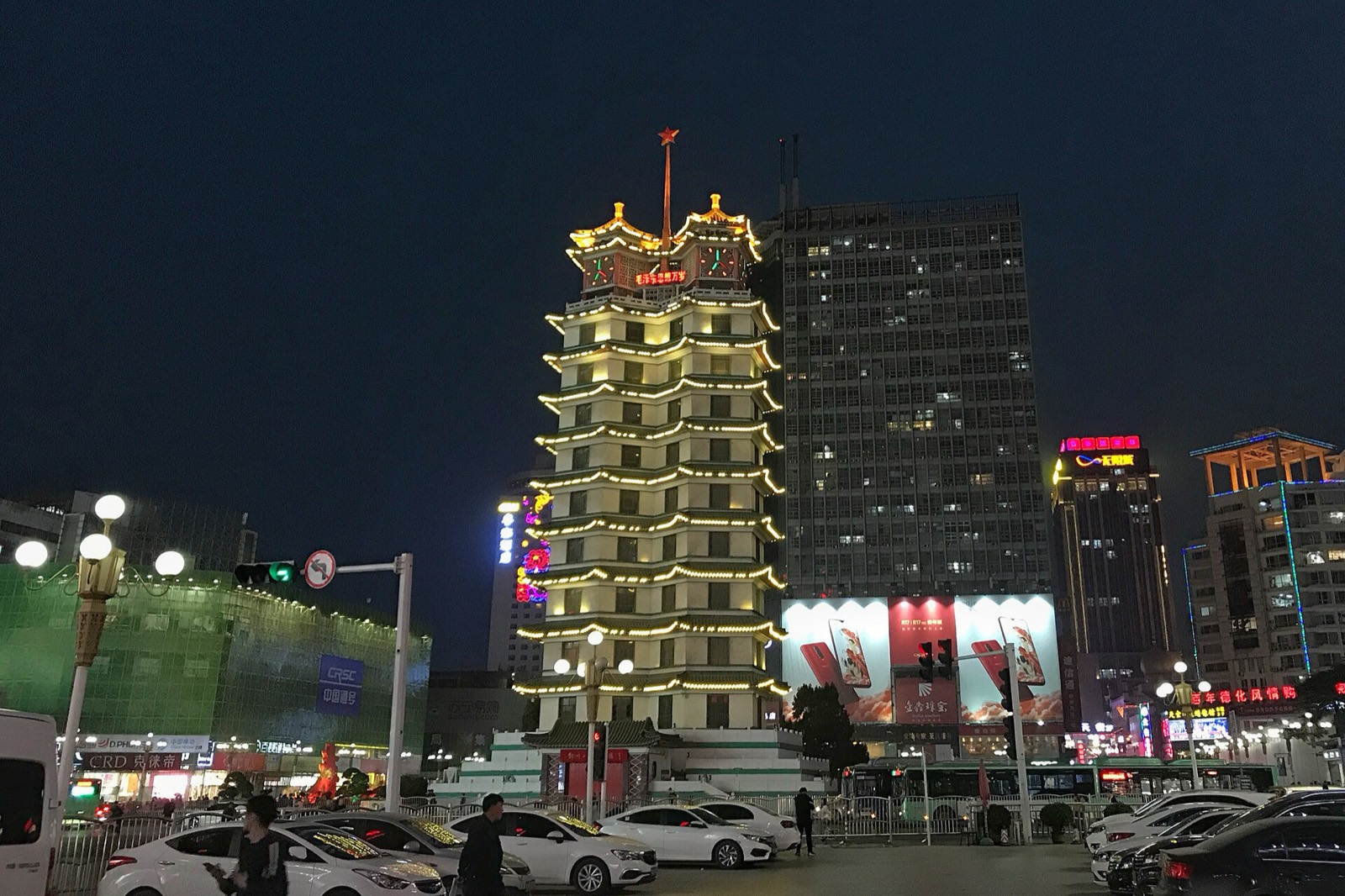
What a good evening actually looks like here: start with Dehua Street (德化街), the 800-metre pedestrian lane off Erqi Square that turns into a lantern-lit food corridor after dusk — steam off the noodle woks, suona players busking, century-old shop arcades overhead. Drink-wise, Zhengzhou does the standard big-city China package: rooftop hotel bars in the Zhengdong CBD for a view, craft-beer taprooms scattered through Jinshui District, and mainstream mega-clubs along Jinshui Road that are perfectly comfortable for a mixed group (our straight-friends guide logic applies — nobody is checking who you came with). KTV is the great social equaliser: if your Blued chat goes well, a private karaoke room is the classic second location — low-stakes, private, fun (KTV etiquette here).
Two calibrations for a conservative city: keep the PDA at zero in public — this is firmly “discretion” territory, a notch more so than the coastal cities (the PDA guide explains the dial) — and treat any “gay venue” address you find on an old forum or aggregator site as fiction until a local confirms it on the apps that week. Zhengzhou nights also end earlier than Chengdu’s; by 1am the city is mostly done, so front-load your evening.
A note for solo travellers, because Zhengzhou is where many of you will find yourselves alone between trains: this is one of the easiest cities in China to eat solo — noodle houses are single-bowl culture by design, hulatang is a counter-service breakfast, and nobody blinks at a table for one. The apps fill the social gap better than you’d expect precisely because there’s no venue alternative; locals here are used to organising their own social lives from a phone, and a visitor with a few polite Mandarin openers gets adopted quickly. The wider toolkit — from restaurant scripts to the confidence math of eating alone — is in our solo travel guide.
Saunas & spas: the honest word
No gay bathhouse in Zhengzhou survives our verification bar — the listings floating around online are years stale, and in a city this conservative the private scene guards itself for good reason. Don’t cross town on a ghost address. What the city does well is the mainstream version: Henan-style bathing complexes (搓澡, scrub included) are a genuine local pleasure and completely normal for a solo male traveller, and the five-star hotel spas in the CBD handle the upmarket end. First time in any Chinese bathhouse, read our bathhouse etiquette guide so the rituals don’t surprise you. For cities where the gay sauna scene is real and current, the regional guide has the map.
Where to stay
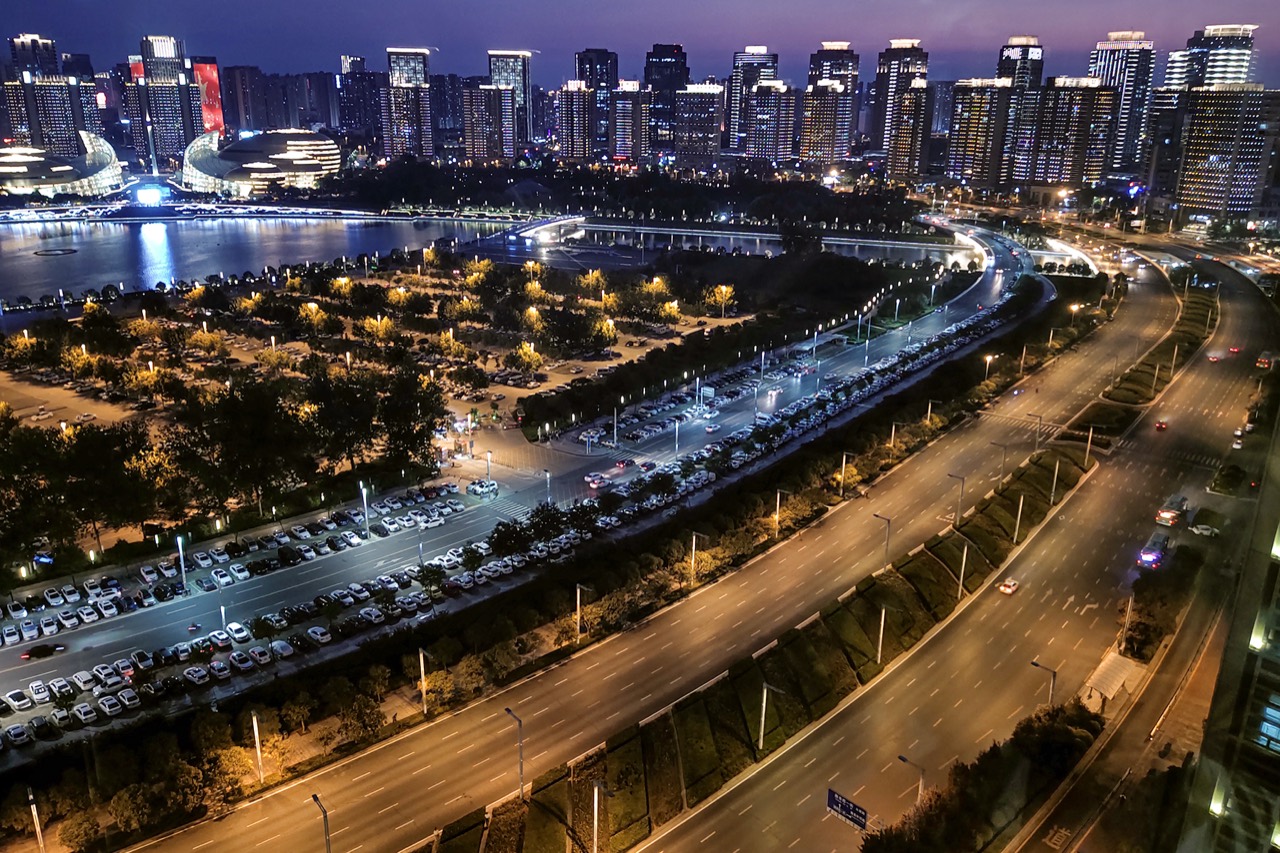
Two sensible bases. Erqi / old downtown puts you between Dehua Street, the Shang walls and Zhengzhou Railway Station — characterful, cheap, best for food-first travellers (and the coach to Shaolin leaves from this end of town). Zhengdong New District (郑东新区) is the other pole: the glass CBD ringed around Ruyi Lake and the JW-Marriott-topped “Big Corn” tower (大玉米 — officially Greenland Plaza, universally the Corn), five minutes from Zhengzhou East HSR station — the practical pick if you’re here on the rail circuit and want to roll off a bullet train into a room with a skyline. Same-sex couples booking one bed is routine everywhere; the ranked picks by budget are in our Zhengzhou hotels guide.
Daytime Zhengzhou: older than almost anywhere
Henan Museum (河南博物院, Nongye Road) is the non-negotiable: one of China’s great provincial museums, free with a WeChat reservation (book a day or two ahead; closed Mondays), and home to two artefacts worth the trip alone — the Jiahu bone flutes, eight thousand years old and still playable, and the owl-shaped zun of Fu Hao, the Shang bronze cast for China’s first recorded female general that has become the museum’s unofficial mascot. Give it a half day.
Then walk the deep past in miniature: the Shang dynasty city walls (商城遗址) run right through the Guancheng quarter — 3,600-year-old rammed-earth ramparts, now a strolling park where locals fly kites on top of the Bronze Age. Ten minutes away, the twin-spired Erqi Memorial Tower anchors the downtown square and the Dehua Street food lane behind it. After dark, cross to Zhengdong for the Ruyi Lake / Big Corn skyline circuit — the lakeside walk is Zhengzhou’s best free evening. If you have a spare half-day, the Yellow River scenic area north of town delivers the mother-river panorama the province is named for.
Eat like Henan wants you to eat
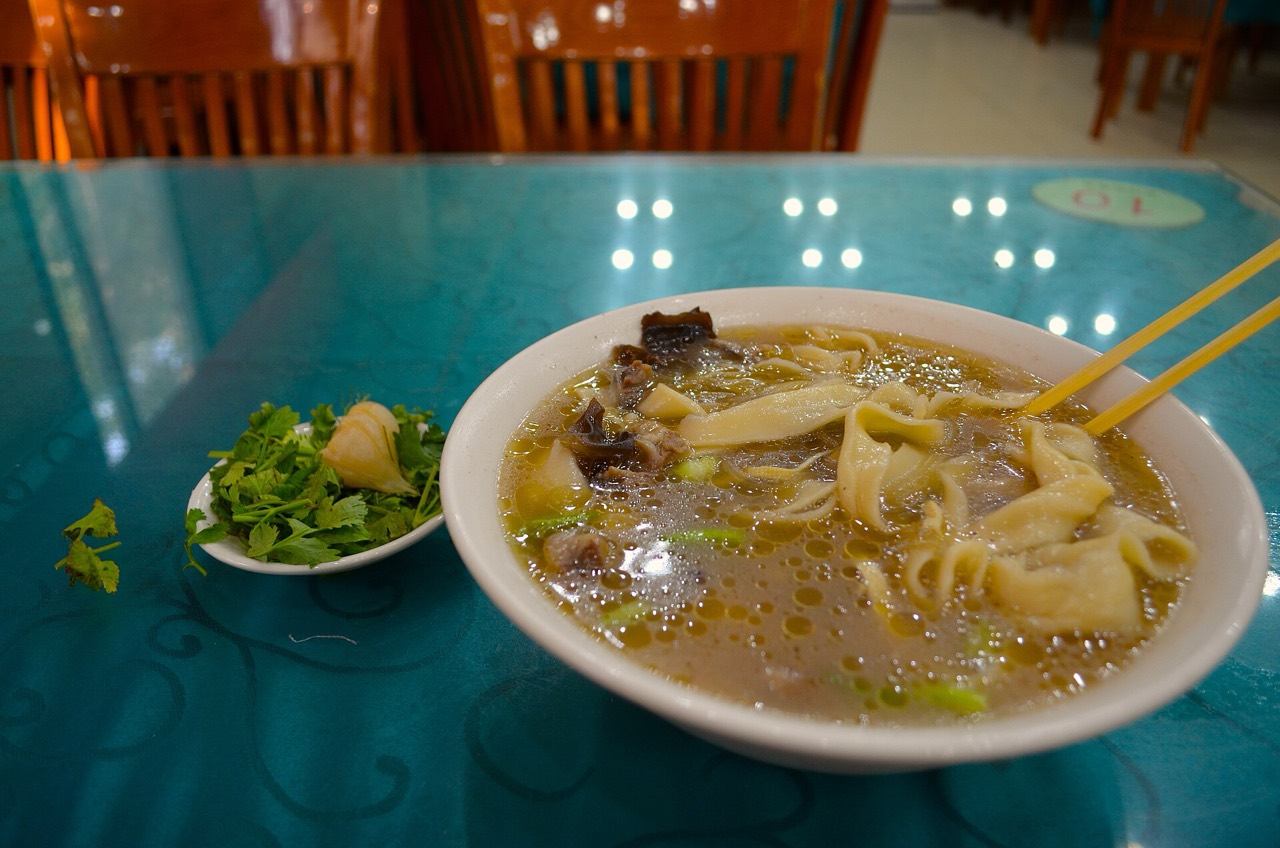
Henan eats humbly and magnificently. The signature is huimian (烩面) — wide, hand-stretched ribbons braised in a milky lamb-bone broth with kelp, tofu skin and coriander; He Ji (合记) is the storied old house, Xiao Ji (萧记) its three-fresh rival, and picking a side is a downtown sport. Breakfast is hulatang (胡辣汤), the peppery, gluten-thickened Henan soup that locals queue for at Fang Zhongshan (方中山) and mop up with fresh youtiao — go before 9am and do it once, even if the texture debates you. Dehua Street and the Fuminli lanes in the Guancheng Hui quarter cover the night-snack canon (the Hui Muslim food tradition runs deep here — look for the almond tea, 杏仁茶, in its brass kettles). Dish-name characters and the vegetarian survival kit live in our China food guide.
The day trips: why you’re really here
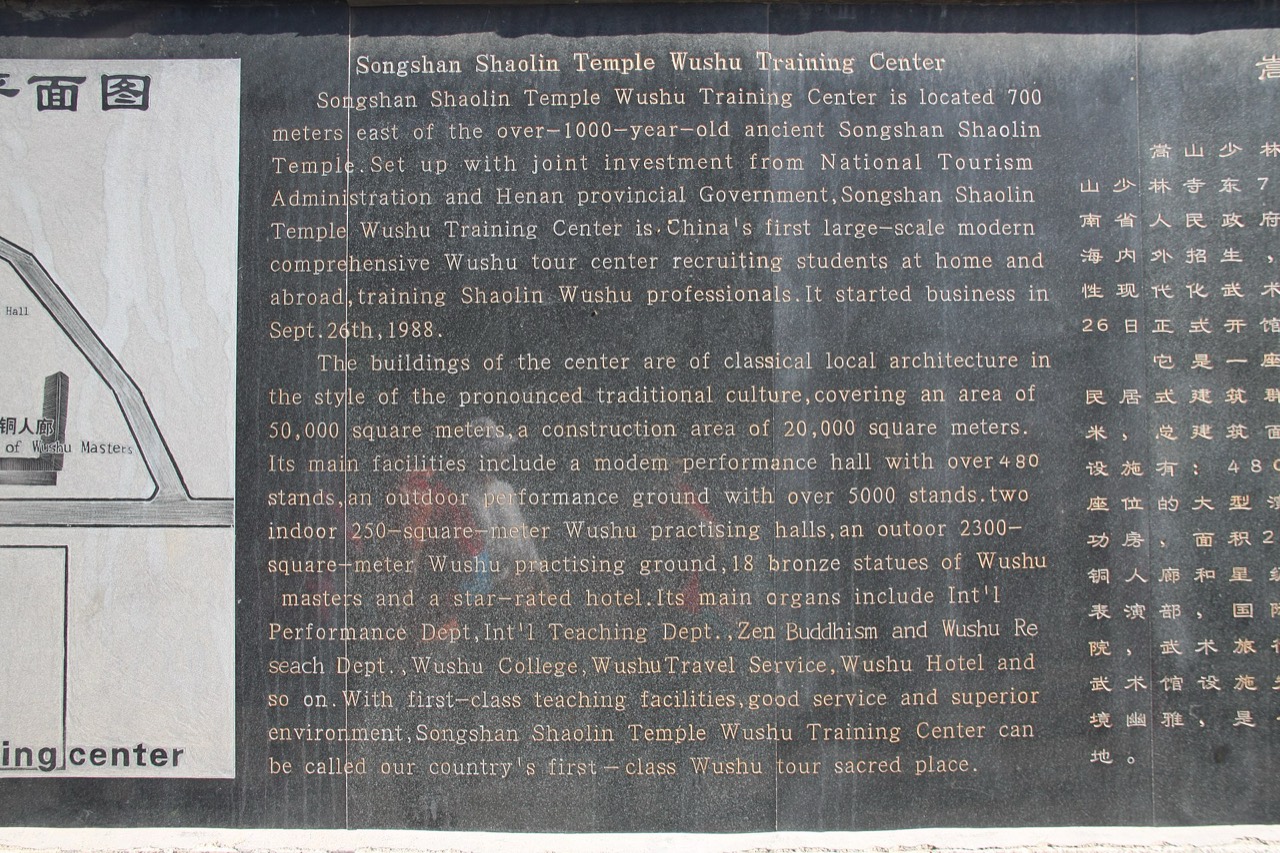
Shaolin Temple (少林寺) is the headliner: the birthplace of Chan Buddhism and kung fu, tucked under the peaks of Song Shan, the central sacred mountain. Mechanics: direct tourist coaches run from the bus station by Zhengzhou Railway Station (~1.5–2 hours, ¥30–50, frequent from 7am), or a Didi door-to-door is about ¥150–200 each way; entry is ~¥80 including the monastery, the wonderful Pagoda Forest cemetery and the kung-fu performance in the wushu hall — take the ¥25 buggy or budget for the 2km walk in. Go early, watch a show, then hike or cable-car up Song Shan if your legs vote yes. Skip the “monk blessing” upsells inside (scams guide covers the pattern).
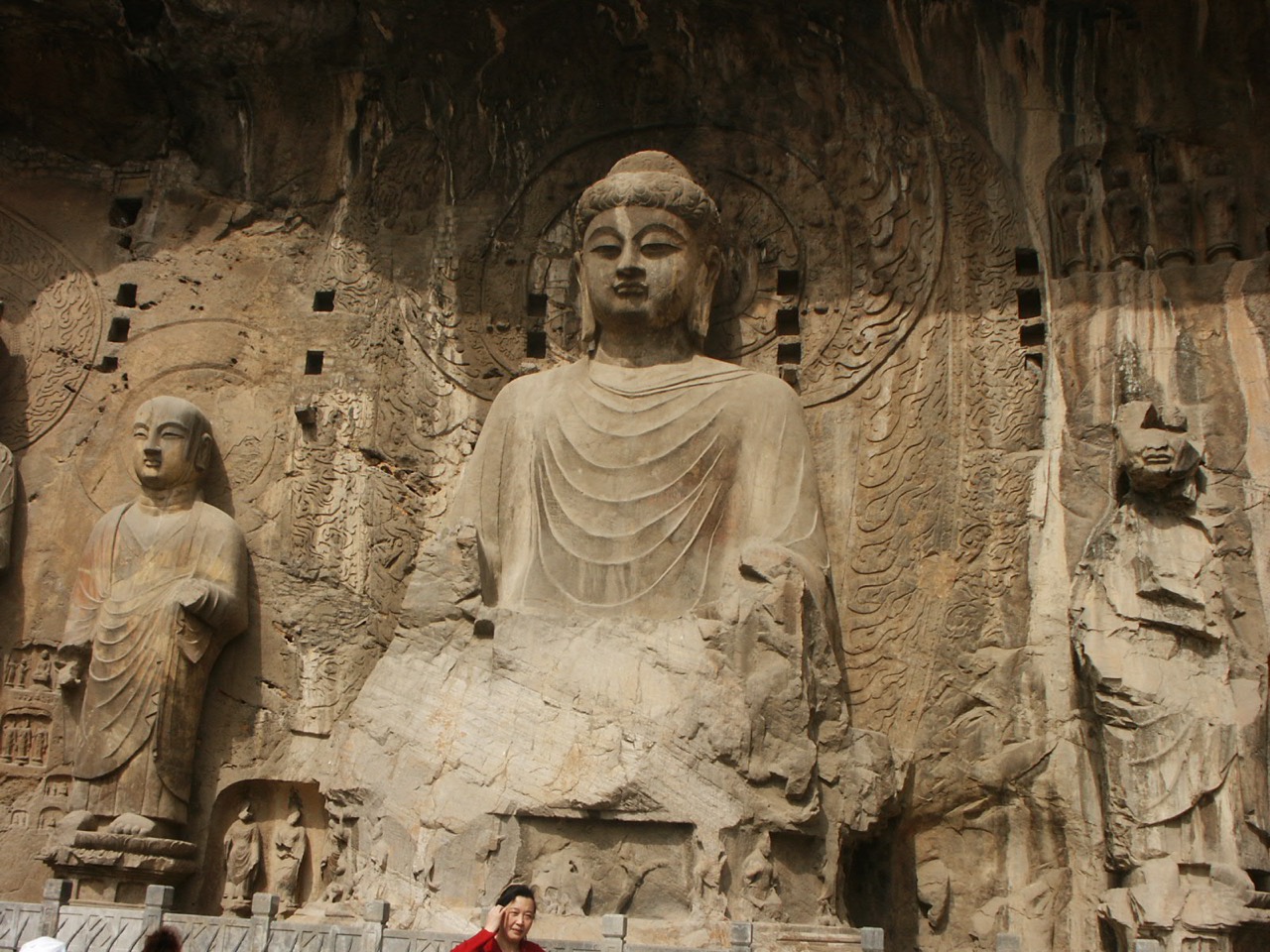
Longmen Grottoes (龙门石窟) might be even better: a hundred thousand Buddhas carved into a river gorge over five centuries, anchored by the 17-metre Vairocana whose serene face allegedly borrowed Empress Wu Zetian’s features. The bullet train makes it absurdly easy — Zhengzhou East to Luoyang Longmen in ~30–40 minutes (from ~¥65), then bus 71 or a ¥20 taxi to the site; entry ¥90. April to October the grottoes stay open into the evening with the cliffs illuminated — the night session is the connoisseur’s move. Pair it with Luoyang’s old town for dinner before the train back. Kaifeng, thirty minutes the other way, adds a third option: the old Song capital, famous for its night market of soup dumplings. More escapes in the day-trips guide.
How to slot all this into a route: the clean pattern is Beijing → Zhengzhou (2 nights) → Xi’an, using day one for the museum, walls and Dehua Street and day two for Shaolin or Longmen — whichever mountain-or-Buddhas instinct is stronger — before the two-hour hop onwards to Xi’an’s terracotta and its one gay cabaret. Doing both day trips comfortably needs a third night. If you’re building the bigger loop, our two-week itinerary shows where the Henan hinge fits between the capital and the queer cities further south.
TL;DR: the practical machinery
Getting in: nearly every Beijing–Guangzhou and east–west bullet train calls at Zhengzhou East (Beijing ~2.5h, Xi’an ~2h, Wuhan ~2h) — this is the easiest big city in China to add to a rail itinerary. Flying, Xinzheng Airport (CGO) sits on the airport metro line and is a recognised port for the 240-hour visa-free transit, which covers Henan; check your passport against the visa guide. Getting around: a clean, cheap metro plus Didi (set-up guide). Money & phone: the standard mainland kit — Alipay/WeChat Pay configured before you fly (payments guide) and an eSIM for the firewall. When to come: spring and autumn; summer is a furnace, and Yellow River winters bite. First night in China landing here? The first-24-hours playbook works in Zhengzhou exactly as written.
The bottom line
Zhengzhou is the anti-Chengdu: a city that gives the queer traveller nothing on a plate and everything underneath. Treat it as what it is — two days of bone flutes, Bronze Age walls, kung-fu monks and cliff Buddhas, fuelled by hulatang and the best noodles in central China, with Blued quietly humming in your pocket. No scene, no pretence, no wasted evening chasing ghosts — and then the bullet train onwards to a city that dances. Sometimes the honest itinerary is the best one.


