
Why Wuhan is in this guide at all
Let’s answer the obvious question first: Wuhan has, as of July 2026, no dedicated gay venue we can verify. If that’s the whole answer you needed, our Chengdu guide is four hours west by bullet train and will take excellent care of you.
Here’s why we wrote a guide anyway. Wuhan is the great crossroads of central China — eleven million people across three river-split towns, with the country’s largest student population: well over a million of them, spread across dozens of campuses from Wuhan University’s cherry-blossomed hillsides to the tech sprawl of Optics Valley. A million students means a large, young, extremely online queer population — it just organises itself on Blued and WeChat rather than behind a rainbow-lit door. And because every high-speed line in China seems to pass through Wuhan Station, there’s a decent chance you’ll be here anyway, with an evening to spend and a bowl of noodles to eat. This guide is for that evening: what the scene actually looks like, where to drink, what to do with your daylight, and how one of this city’s queer institutions quietly earned a place in the community’s history books.
Being gay in Wuhan: the questions everyone asks
Is Wuhan gay-friendly?
In the everyday, practical sense — yes. It’s a huge, busy, unbothered city where nobody looks twice at two men checking into one room, and the student energy keeps the general mood young and live-and-let-live. What Wuhan doesn’t have is queer infrastructure: no dedicated bars we can confirm, no events calendar, nothing you can walk into. The national rules apply (our safety explainer has the full picture): legal since 1997, no recognition, discretion rather than danger — with the dial here set closer to Beijing’s quiet than Chengdu’s ease.
Are there really no gay bars?
None we can stand behind. Older directories still list names like Romantic Life and Dibao — riverside bars from another era, carried forward year after year without addresses or dates. TravelGay puts it plainly: Wuhan’s gay venues have closed. Don’t spend your one night here chasing a ghost listing across a city split by two rivers; spend it on the apps and the mixed nightlife instead, which is genuinely good. If you find somewhere real and current, tell us and we’ll verify it.
So how does anyone meet anyone?
Blued, overwhelmingly. With this many students the grids are dense and responsive — Optics Valley on a weekend evening is one of the busiest Blued neighbourhoods in central China. Grindr and the Western apps need a travel eSIM to get around the firewall (the apps guide covers the details), and the deeper social layer — dinners, KTV nights, hiking groups — lives in WeChat circles you get invited into, not ones you find. Our meeting gay locals guide explains how those invitations actually happen. Expect profiles to skew very young, and expect discretion: many are students whose families and classmates don’t know.
Is Wuhan worth a stop for a gay traveller?
As a destination in itself — only if you love big, real, untouristed Chinese cities (we do). As a stop on a rail route — absolutely. Practically every north–south and east–west line crosses here, which makes Wuhan the natural overnight between Beijing and Guangzhou, or Shanghai and Chengdu (see the high-speed-rail circuit). One night gives you the river at dusk, the best breakfast culture in China the next morning, and a genuinely warm bowl of the local welcome. Calibrate expectations for the scene, and Wuhan over-delivers on everything else.
What’s the story with the Wuhan LGBT Center?
One of the proudest chapters in Chinese queer history, and it happened here. The Wuhan Companion LGBT Center (武汉同行), founded in 2011, spent a decade running counselling and HIV services for central China. Then came January 2020 and the hardest lockdown on earth — and the centre’s staff and volunteers got official permission to move through the sealed city, collecting antiretroviral medication from hospitals and hand-delivering it to around 1,500 people living with HIV who couldn’t leave home, for seventy-six days. Like most such organisations in China, it keeps a far lower profile in today’s climate — but if you want to understand what community means in a city with no gay bars, that story is the answer. (Travelling with HIV yourself? Our HIV & PrEP travel guide covers China’s rules and realities.)
The scene, honestly: three towns, no signpost
Wuhan is really three cities stitched together by bridges — Hankou (the old treaty-port, the commerce, the nightlife), Wuchang (the universities, the history, Optics Valley) and Hanyang (industry, quieter) — and its social geography follows:
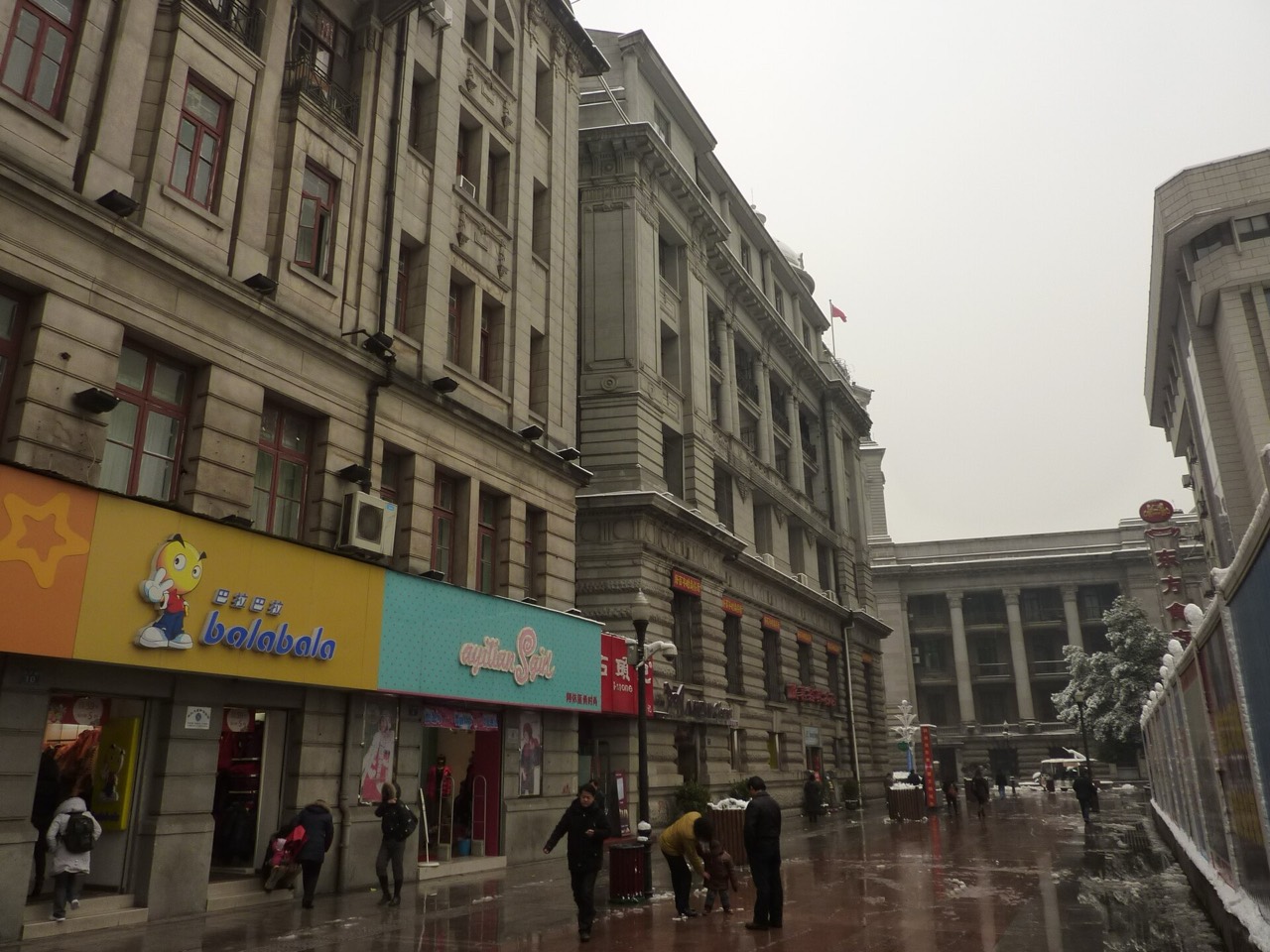
Hankou riverside is where a night out actually happens: the pedestrian stretch of Jianghan Road, the restored concession blocks around Lihuangpi Road, and the bar-and-café strips along the Yangtze embankment. Nothing here is gay; plenty of it is young, loose and perfectly comfortable — craft-beer rooms, cocktail bars in colonial buildings, livehouses. This is where we’d take a date.
Optics Valley (光谷), out east in Wuchang, is the student quarter — a million-strong belt of campuses, malls, cheap eats and late-open bars around the Optics Valley pedestrian street. It’s the youngest crowd and the densest app grid in the city, though the venues themselves are mainstream student bars and KTV. A useful rule from our China nightlife guide applies doubly in Wuhan: here, KTV is the gay bar — a private room, your new WeChat group, and three hours of Cantopop ballads is how the local queer social actually runs.
The rhythm is a student one: term-time weekends are lively, summer and Spring Festival empty the city noticeably, and everything starts and ends earlier than in Chengdu — don’t plan on a 4am floor. Fold the expectations from our nightlife etiquette guide in, order the Meituan drink deals like everyone else, and treat the evening as social rather than scene.
The night-out playbook
Mechanics for making a Wuhan evening work, given that the apps are the venue:
Open Blued before you shower. The polite local rhythm is conversation-first — start chatting in the late afternoon for a same-evening meet, not at 11pm. Suggest the concrete, low-pressure classics: a crayfish table, a riverside walk, a KTV room with their friends. “第一次来武汉” (first time in Wuhan) plus a food question is an unbeaten opener in this proudly food-obsessed city.
Work Meituan like a local. The group-buy deals that make Chengdu nights absurdly cheap work identically here — bar vouchers, KTV room packages, crayfish set menus at half walk-in price. Screenshot the deal if you can’t register with a foreign number; staff will usually honour it.
Learn the KTV ritual. If a WeChat circle adopts you, the invitation will be KTV. Say yes. Split the room fee evenly (or let the organiser refuse your money twice before insisting), sing at least once however badly — one brave Mandarin chorus is worth an hour of small talk — and bring a bag of beers or fruit as your contribution. This is the actual gay bar of central China.
Getting home: the Metro shuts around 23:00–23:30 — earlier than the night wants — after which Didi is cheap and everywhere. The three towns are far apart at 1am; if your evening is in Hankou, sleep in Hankou. And the standing national rules apply: photography is rude, discretion is kindness (students have classmates), and nobody needs to know anyone’s surname. More in the etiquette guide.
Saunas and spas: the honest word
No gay sauna in Wuhan survives on any current, verifiable listing — whatever the pre-2020 picture was, we can’t point you anywhere today, and neither can the regional directories. Any listing you find online, treat as historical until proven otherwise. For actual relaxation, the big hotels’ spas are excellent value in a city this affordable, and the mainstream bath-and-massage complexes (洗浴中心) are a legitimate, non-scene Chinese experience — read our bathhouse etiquette guide first and go for the baths, not the cruising. The regional saunas guide covers the cities where the real thing still operates.
Where to stay
Pick your town by your plans. Hankou puts the riverside, the concession architecture and the nightlife at your door — the Fairmont Wuhan is our gay traveller’s pick there: polished, international, discreet, and walkable to the Jianghan Road evening. Wuchang makes sense if you’re here for the universities, the Yellow Crane Tower or the East Lake, and puts you nearer Optics Valley’s young energy. Budget travellers get one of China’s best deals here: Wuhan’s male-only hostels run ¥30–50 a night, and with this student population the common rooms are sociable in ways that occasionally surprise. Same-sex couples booking one big bed (大床房) is routine; Trip.com reads the local inventory best. Area-by-area detail: our Wuhan hotels guide.
Daytime Wuhan: rivers, blossoms and breakfast
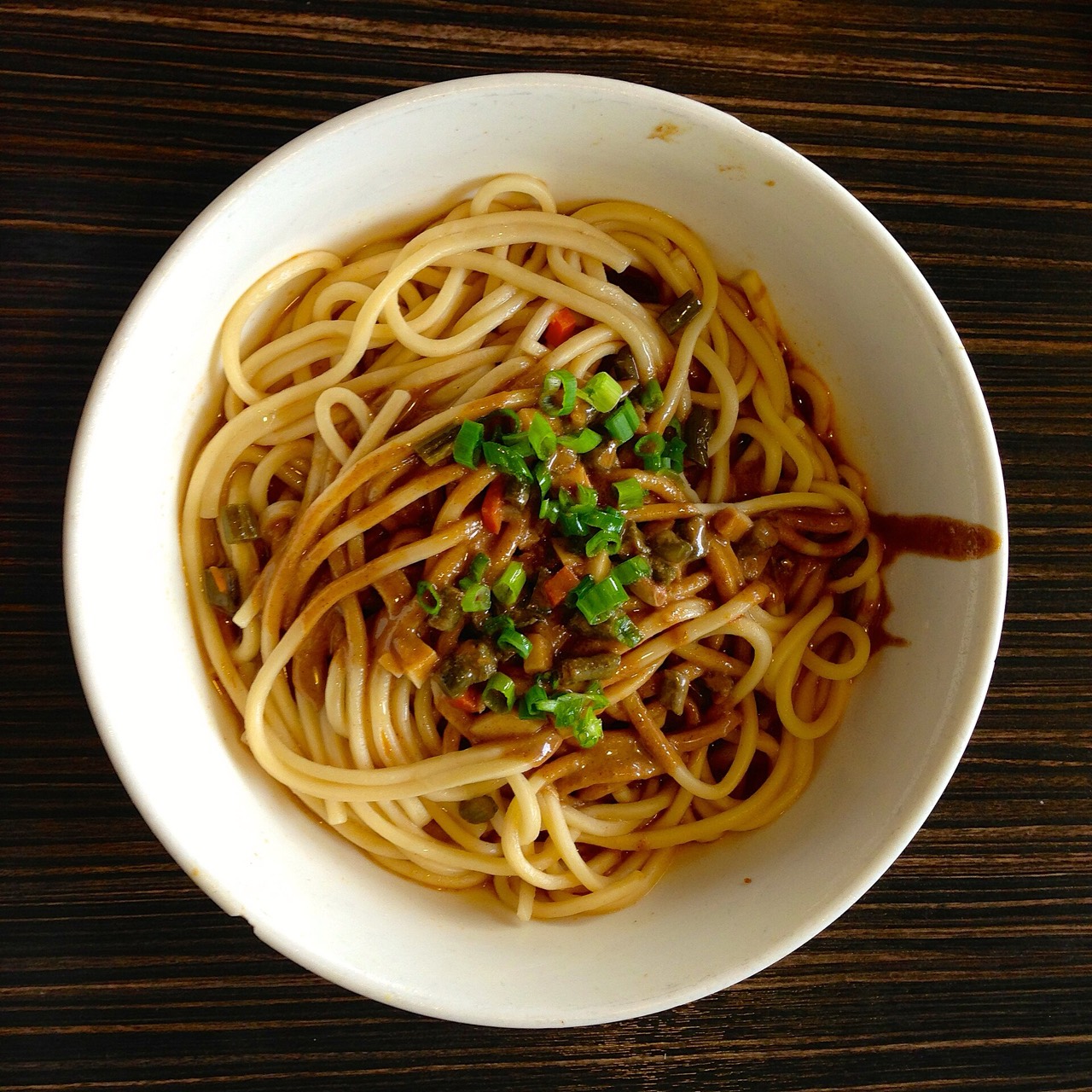
Learn to 过早. Wuhan is the only Chinese city with its own verb for breakfast — 过早, “crossing the morning” — and it takes the meal as seriously as Chengdu takes tea. Do it once the classic way: shoulder-to-shoulder in Hubu Alley (户部巷) or, better, on any ordinary Hankou street corner, with a bowl of hot dry noodles (热干面 — sesame-paste noodles, the city’s soul carb), a slab of doupi (豆皮, sticky rice and pork wrapped in a tofu-skin omelette) and sweet rice wine to wash it down. Breakfast is the single best thing this city does. Full menu decoder in the China food guide.
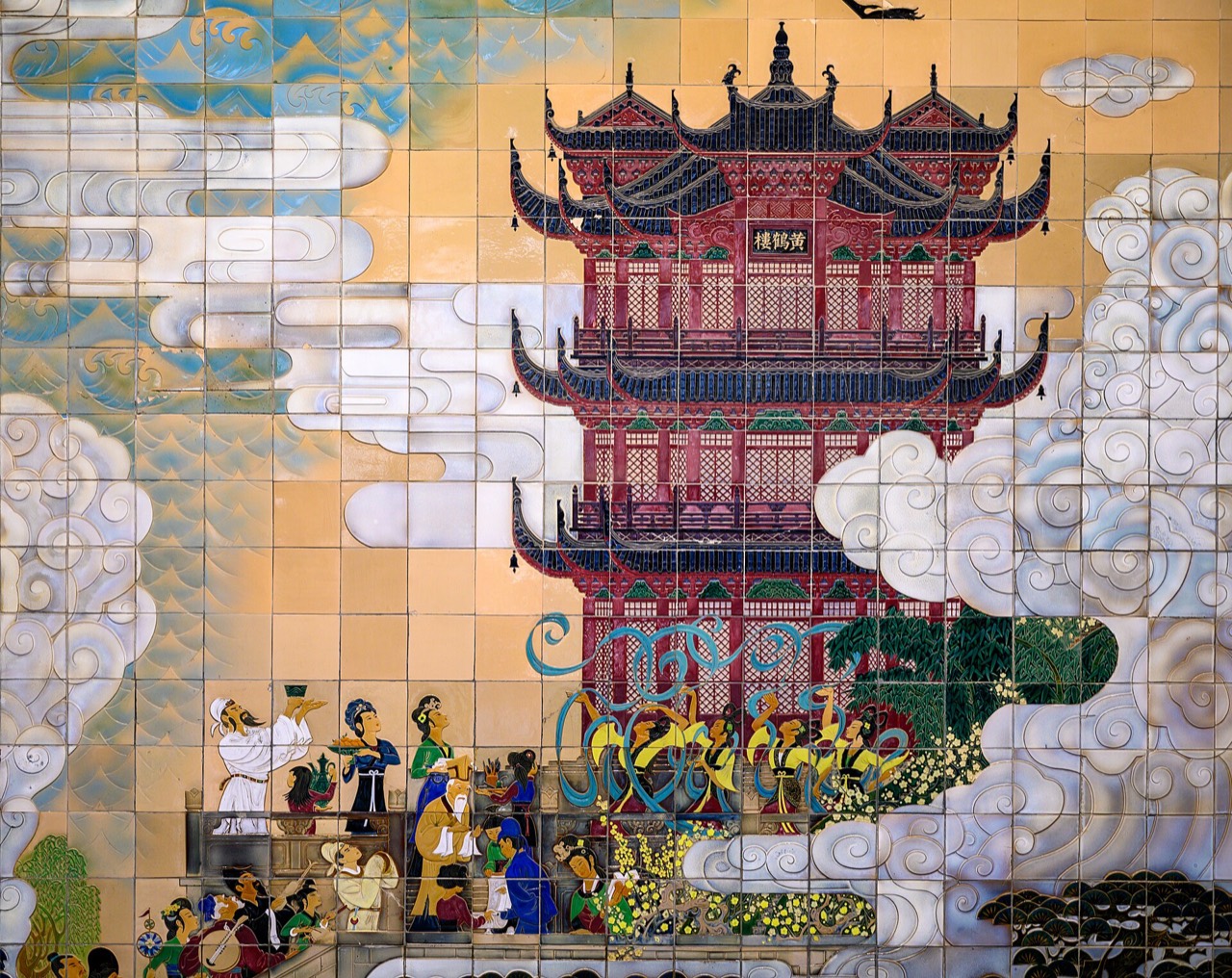
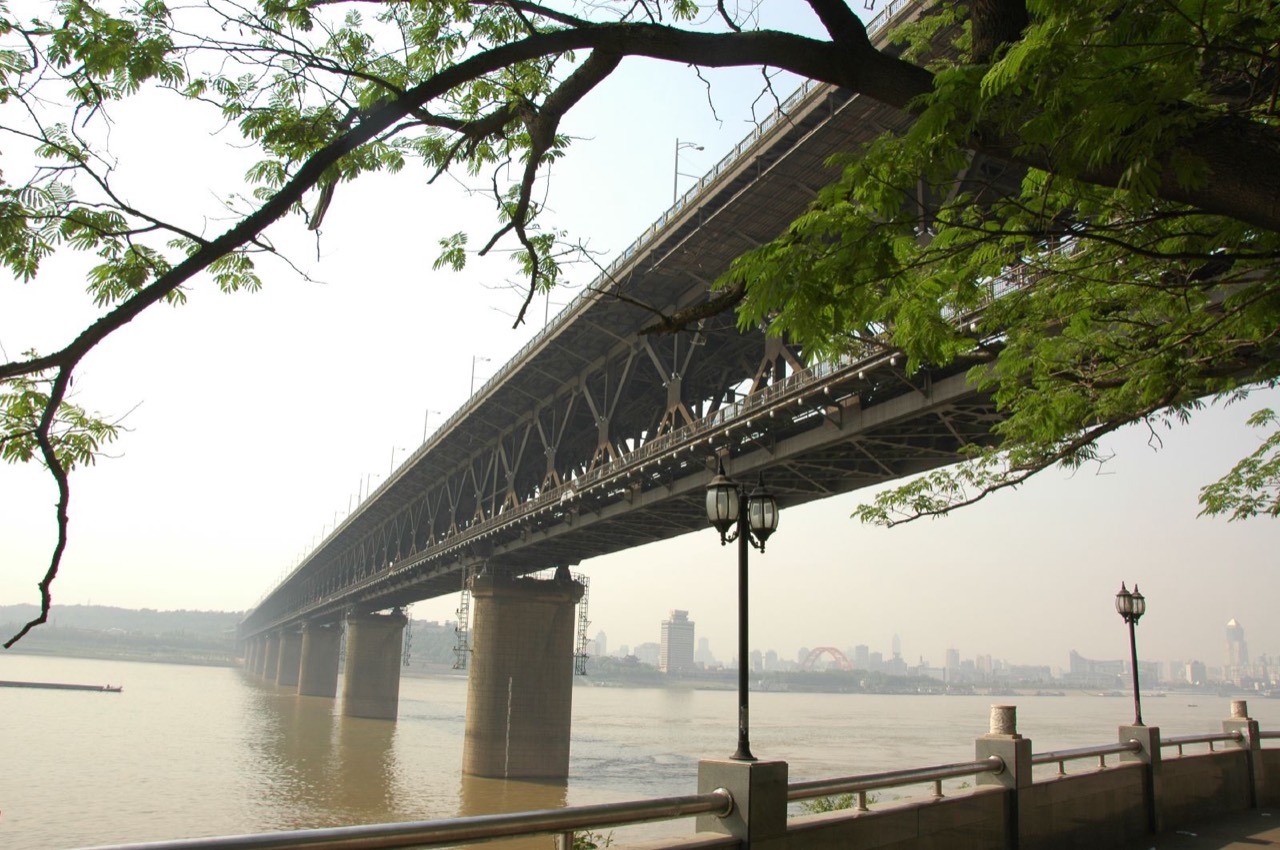
Climb the tower, walk the bridge. The Yellow Crane Tower (黄鹤楼) is the postcard — a rebuilt Tang-dynasty icon on Snake Hill with fourteen centuries of poetry attached; go late afternoon, then walk down to the First Yangtze River Bridge and cross it on foot at dusk as the river lights come up. Cap it with the Yangtze ferry (a couple of yuan, locals’ commute, best cheap boat ride in China) back across to Hankou for dinner.
Ride the ferry like a commuter. The Wuhan Ferry between Zhonghua Rd (Wuchang) and Wuhan Pass (Hankou) costs a couple of yuan, runs until late evening, and gives you the full two-river panorama that the bridges only hint at — skyline one way, Yellow Crane Tower the other. Locals treat it as a bus; treat it as the cheapest great date in China. After dark, the Zhiyinhao (知音号), a 1920s-styled steamer, does a theatrical evening cruise if you want the dressed-up version.
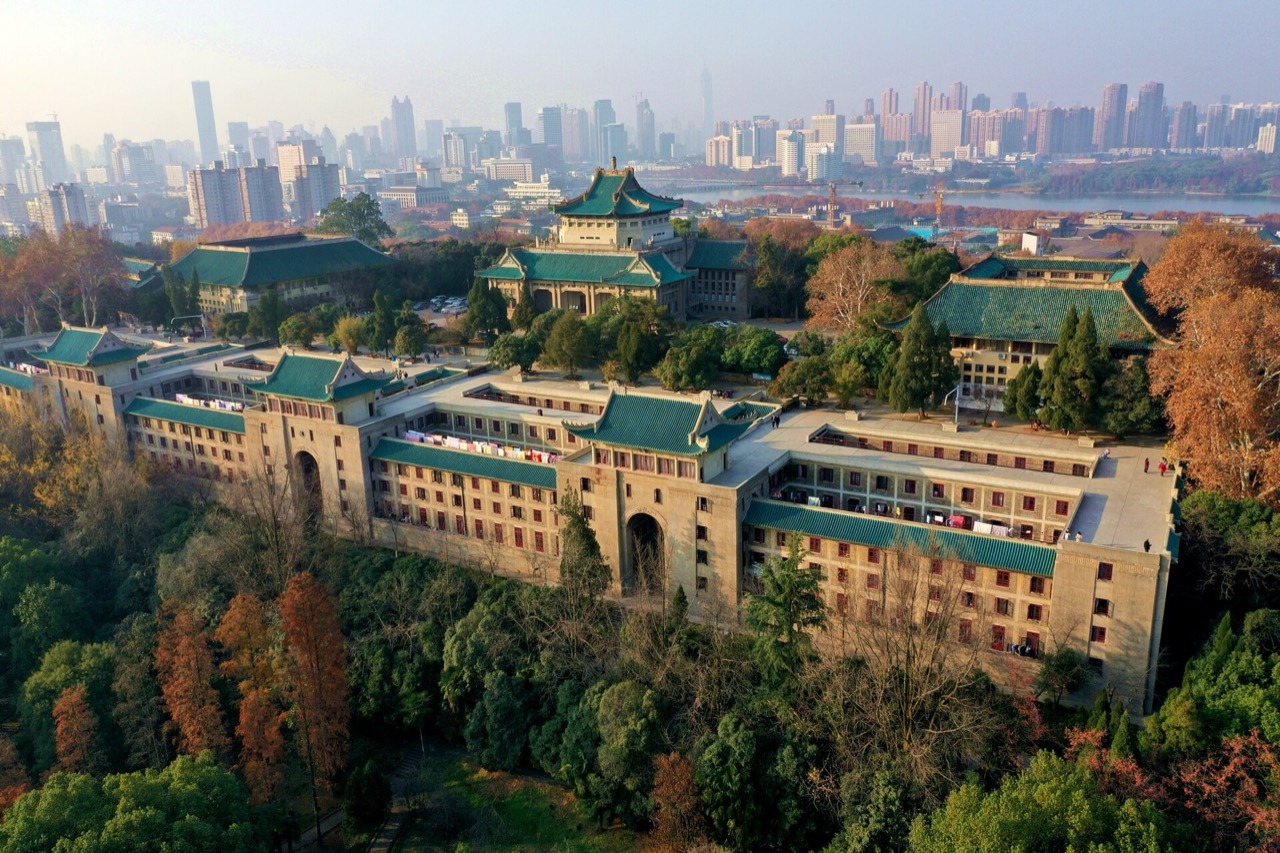
Cycle the East Lake. Wuhan’s genuine masterpiece is the East Lake Greenway — over a hundred kilometres of car-free lakeside path through blossom groves, university back-gates and wetlands. Rent a share-bike and give it a slow half-day; the Moshan (磨山) section is the prettiest. In late March the adjacent Wuhan University campus becomes China’s most famous cherry-blossom pilgrimage — queer students will be out in force with everyone else.
Wander Tanhualin. 昙华林 is Wuchang’s restored old lane quarter — missionary-era chapels, indie coffee, zine-adjacent little shops and art students sketching on steps. It’s the closest thing Wuhan has to a bohemian quarter, gently queer-adjacent in the way art streets everywhere are, and the right place for a slow afternoon coffee.
See what a million students build. Optics Valley (光谷) repays an evening wander even if you’re decades past freshman year: the pedestrian streets are a delirious mash of mock-European quarters, night markets and arcades, all running on student prices and student energy. The Han Show Theatre nearby — a red-lantern-shaped landmark built for a Franco Dragone water-stage spectacular — is Wuhan’s big-production night out if the schedule cooperates; check current showtimes before building an evening around it.
Eat like Wuhan wants you to eat
Beyond the breakfast canon: crayfish season (小龙虾, May–September) is a civic religion — garlic or spicy, cold beer, plastic gloves, mountains of shells, ideally at a raucous outdoor table in Hankou with new friends from the group chat. Wuchang fish (武昌鱼) is the banquet classic Mao wrote into poetry; duck necks (精武鸭脖) are the numbing-spicy snack the whole country copied from this city. Prices will feel like a reward after Shanghai: a heroic dinner for two rarely clears ¥150.
Two more breakfast-canon entries before you go: mianwo (面窝, a savoury rice-and-soybean doughnut, crisp ring and soft heart, eaten alongside the noodles) and egg wine (蛋酒, sweet fermented-rice soup with egg flowers — the gentle counterweight to all that sesame). The full national menu strategy lives in the China food guide, but honestly: in Wuhan, just point at what the person in front of you ordered.
Getting out (briefly)
Wuhan isn’t a day-trip city the way Chengdu is — its best excursions are the intercity ones its rail hub makes trivial. If you want a local outing: the Red Cliffs (赤壁) battlefield of Three Kingdoms fame is ~1.5h southwest for history nerds, and the Mulan cultural area north of the city (yes, that Mulan — Wuhan’s Huangpi district claims her) offers gentle mountain-and-lake scenery. Both are pleasant rather than essential; with limited time we’d spend the extra day on the Chengdu or Chongqing end of your route instead.
TL;DR: the practical machinery
Getting in: Tianhe Airport (WUH) has direct international links and a metro line to town (~40 min); more likely you’ll arrive by rail — Beijing/Guangzhou ~4h, Shanghai ~4h, Chengdu ~4h, Xi’an ~4h, which is exactly why the rail circuit routes through here. Wuhan has three major stations; check which one your ticket uses. Visa rules are the national ones — check your passport.
Getting around: the Metro is huge, cheap and English-signed; Didi fills the gaps; the ferry is transport and sightseeing (set-up guide). Distances are deceptive — the three towns are far apart, so base yourself near what you’re doing.
The kit: standard mainland loadout — Alipay/WeChat Pay configured before you fly (payment guide), a travel eSIM for the firewall, Blued installed, passport for check-ins (first-24-hours playbook). When to come: October–November and March–April (blossoms); summer is a famous furnace — Wuhan is one of China’s “three ovens”, and 40°C riverside humidity is not a drill. Budget: one of the cheapest big cities in this guide — see what a gay China trip costs.
The bottom line
Wuhan is the anti-showpiece: a vast, self-assured river city that never performs for visitors and doesn’t perform queerness either. What it offers a gay traveller is quieter — the densest young app grid in central China, breakfast worth planning a route around, dusk on the big river, and the memory of a small queer organisation that moved medicine through a sealed city when it mattered most. Come on a rail route, stay a night or two, eat everything. 过早 well, and the rest of the day follows.


