
Shenzhen on its own terms
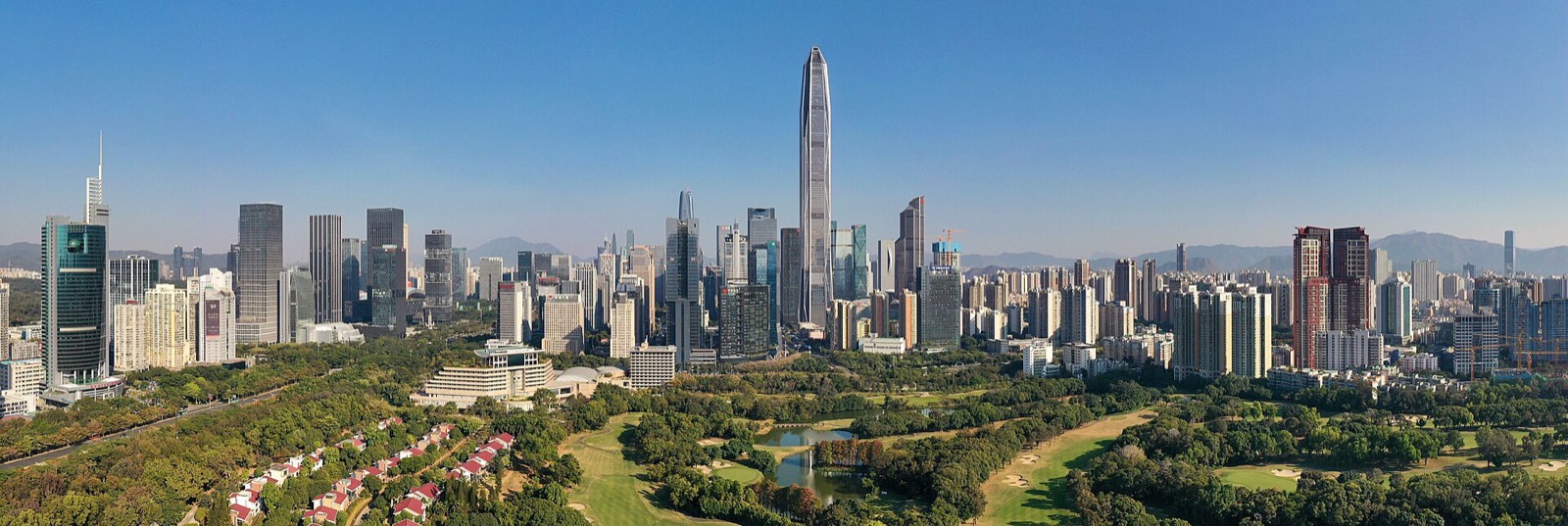
Every China itinerary treats Shenzhen as a border formality — the place the metro from Hong Kong spits you out, the airport you fly cheap from, the city you promise to look at properly next time. Here’s the case for next time being this time: Shenzhen is the youngest major city on earth (average age still under 35), it grew from fishing villages to 17 million people in one generation, and nearly everyone in it moved here from somewhere else — which quietly makes it one of the easiest places in mainland China to be different. Nobody’s hometown gossip network reaches you here. That’s precisely why so many young queer Chinese people choose it.
The honest trade-off: all that youth and money hasn’t yet built a big physical scene. Shenzhen has two dedicated gay venues that matter, two minutes apart or a district over, plus a techno room and a scattering of queer-friendly bars — and a social life that mostly runs through Blued, WeChat groups and pop-up parties. Come with app-first expectations and a border-hop plan (Hong Kong’s bars are under an hour away), and Shenzhen over-delivers: the club nights punch far above the venue count, the city itself is a glass-and-neon spectacle, and the beaches east of town are the best urban escape in Guangdong. Checked against Chinese platforms and the venues’ own channels as of July 2026; the short version with the map lives on our Shenzhen hub.
Being gay in Shenzhen: the questions everyone asks
Is Shenzhen actually gay-friendly?
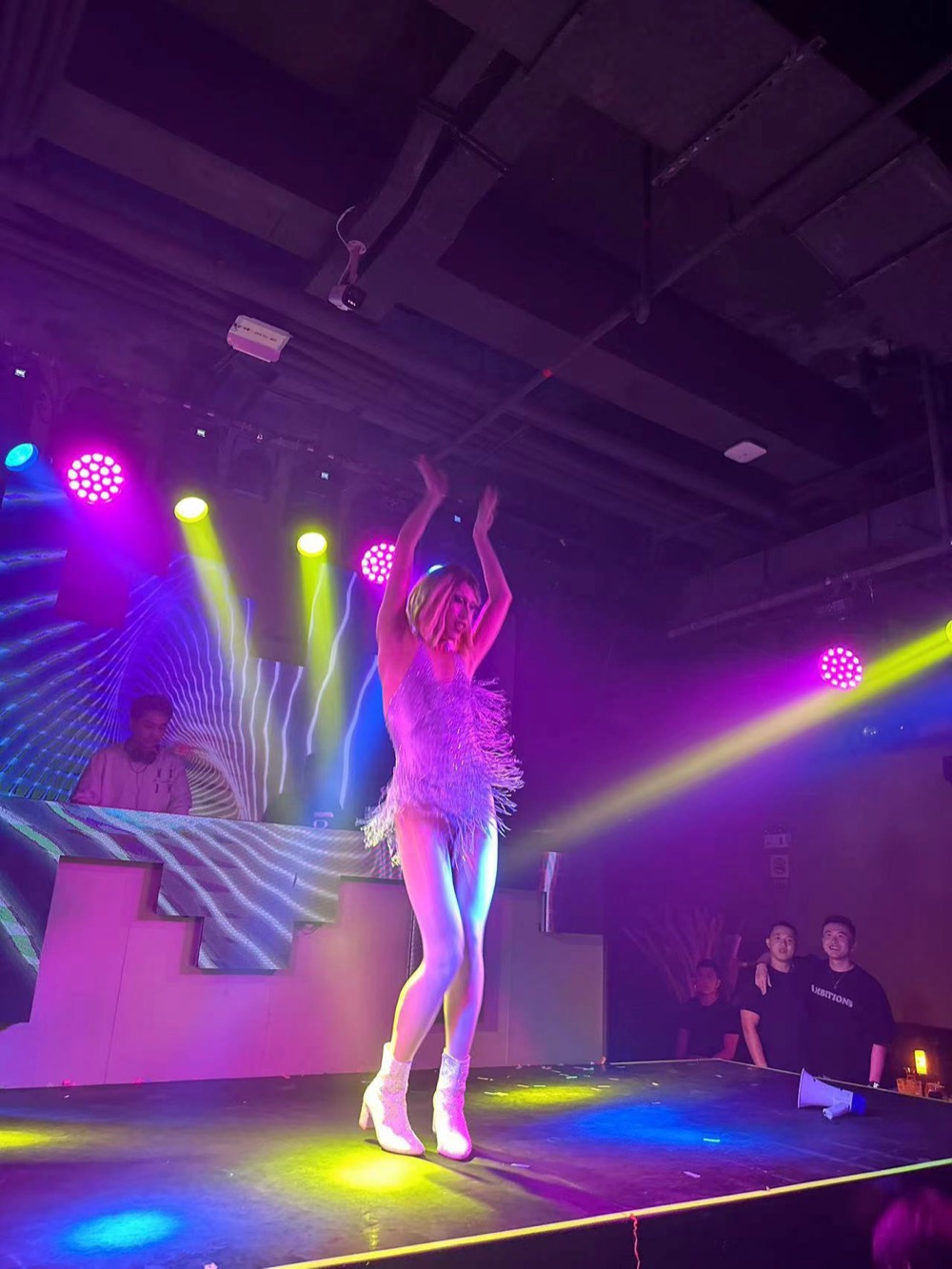
In the everyday sense, yes — arguably more than anywhere on the mainland except Chengdu, for a structural reason: this is a city of migrants in their twenties and thirties, living far from family scrutiny, working in tech and design and logistics. Tolerance here isn’t ideological, it’s demographic. You won’t see flags, and the usual mainland rule — discretion outside, freedom inside — applies (calibration in our safety explainer). But same-sex couples check into one bed without a blink, the clubs operate openly with go-go shows and drag, and the crowd at ATM on a Friday is as relaxed as any room in China.
Where is the scene?
One word: Chegongmiao (车公庙), in Futian District. Both of the venues that anchor gay Shenzhen sit in this dense office-and-nightlife grid — ATM in the Haisong Building, the techno club OIL two minutes’ walk away — and the bear-leaning Bonbon is one metro stop east on Fuhua Road. Chegongmiao station is a four-line interchange, so the scene is fifteen minutes from almost anywhere you’d stay. Beyond that: a local pub out in Bao’an, pop-up parties wherever the promoters book, and the apps carrying the rest of the load.
What are the apps, and do they work?
Standard mainland kit, used harder here than anywhere: Blued (international version: HeeSay) has some of the densest grids in China — a function of all those young migrants — and doubles as the events noticeboard. Grindr and Western apps are blocked on local networks; a travel eSIM routes around the firewall in one purchase, and the apps guide covers the rest. Shenzhen-specific: follow @greatergayarea, the Greater Bay Area’s own queer listings project — it covers Shenzhen alongside Guangzhou, Hong Kong and Macau and is the best real-time answer to “what’s on tonight?”.
Can I pair Shenzhen with Hong Kong?
You should — it’s the whole play. Lo Wu and Futian checkpoints put you on the Hong Kong MTR in minutes; the high-speed rail runs Futian to West Kowloon in under twenty. Big gay night in Hong Kong, cheap hotels, hotpot and tech-city spectacle in Shenzhen. One visa caveat that catches people: crossing to Hong Kong ends your mainland stay — if you entered visa-free, check your scheme allows re-entry before you plan a there-and-back (the visa guide explains; the 240-hour transit permits generally do not allow a return hop).
Are there saunas?
Not any more — the honest word is below, but the short version: the names you’ll find online (Yang Gang, Babylon) are both confirmed closed, the latter as of June 2025. Hong Kong’s legal, listed saunas are one border-crossing away.
When should I come?
October to December and March to April — subtropical Shenzhen is genuinely pleasant then. Summer is hot, wet and typhoon-prone (the clubs don’t care, but the beaches and your patience will); winter is mild. The clubs run weekends year-round and the pop-up calendar follows no season. Avoid Golden Week unless you enjoy queueing at the border.
Is there a lesbian scene?
No dedicated venue we can verify in 2026 — queer women’s Shenzhen runs on WeChat groups, board-game café meetups and the mixed nights at OIL and the pop-ups, with Hong Kong’s events and Guangzhou’s Queen-Bee-style rooms an hour away in either direction. The lesbian China guide covers how the app-and-group layer actually works; Bonbon’s shows draw a genuinely mixed crowd and make the easiest first room for a queer women’s night out here.
Shenzhen, Guangzhou or Chengdu — which do I pick?
For the scene itself: Chengdu, no contest, with Guangzhou second on drag-show energy. Pick Shenzhen when the trip is really about the Hong Kong pairing, the tech-city spectacle, or business that happens to fall on a weekend — and know that ATM on a Friday will still surprise you. The honest ranking flips for beaches and for sheer ease: Shenzhen’s metro, prices and hotel stock are the smoothest landing in the Pearl River Delta.
The scene, honestly
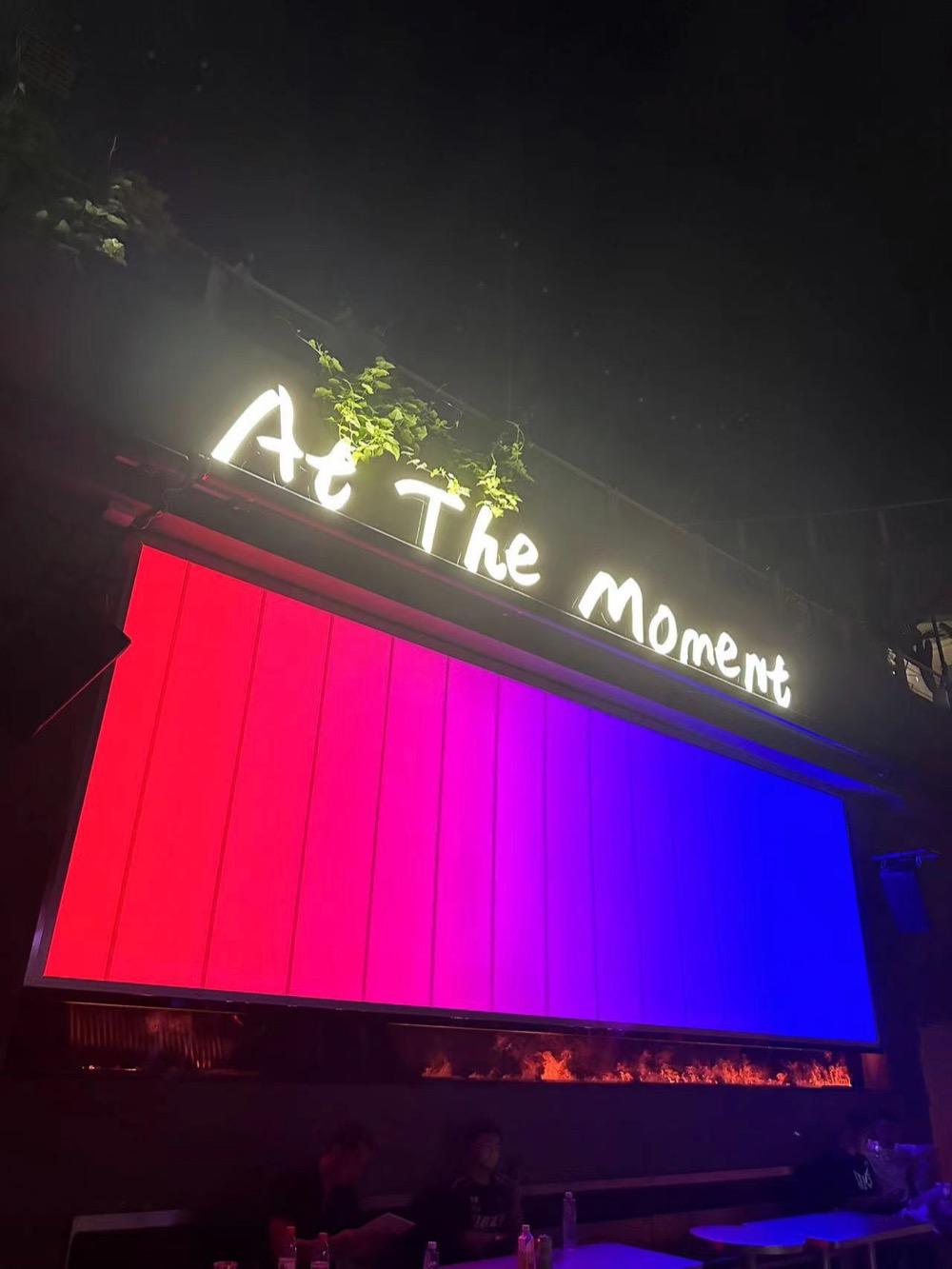
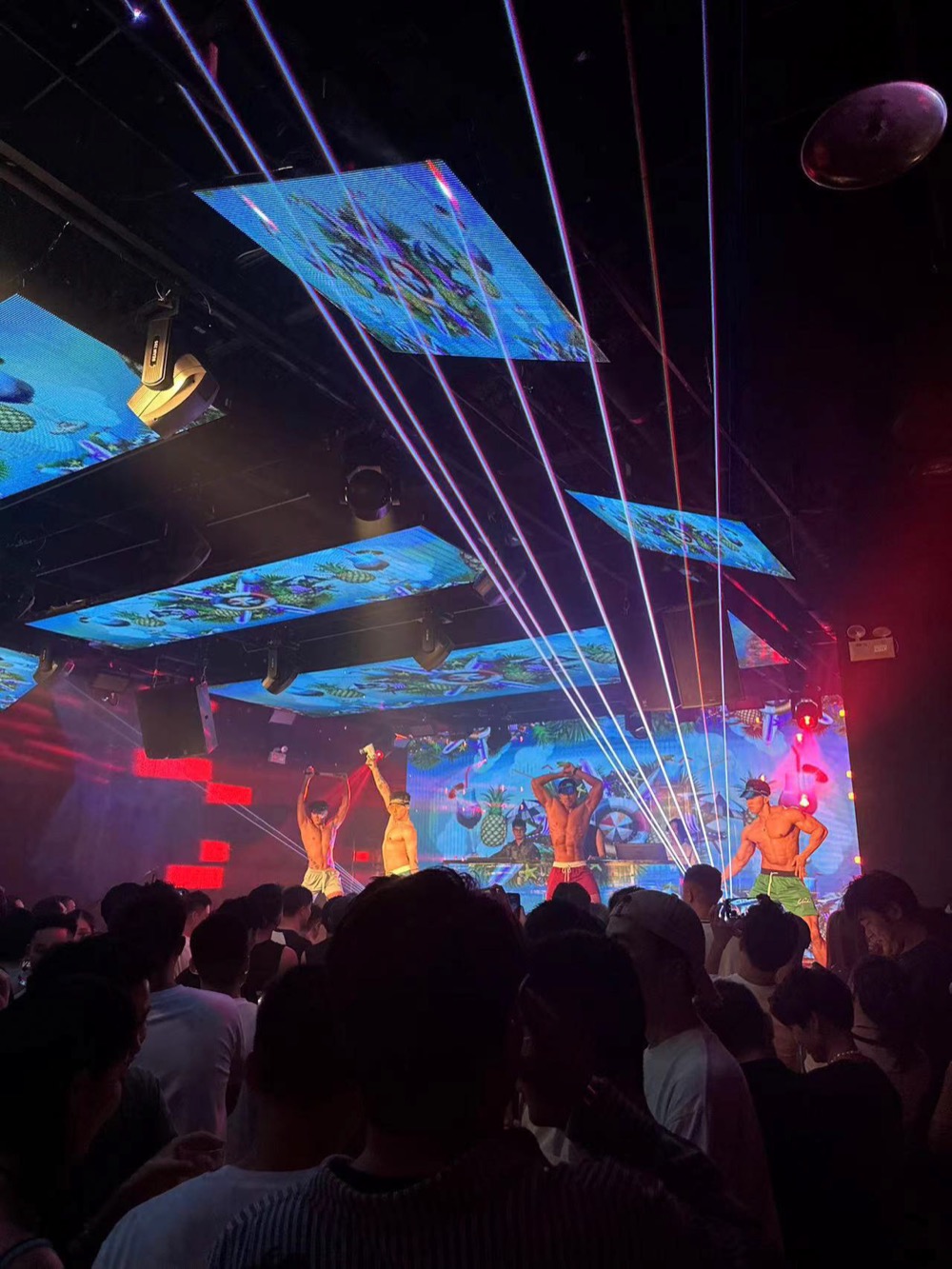
ATM — At The Moment Club (2/F, Haisong Building, 车公庙海松大厦, Futian) is the main event: young, loud, dance-floor-first, with go-go shows, pop-and-electronic programming and a crowd that skews twinks-and-friends. A visiting reviewer in December 2025 called a Friday here “genuinely one of the most fun gay bar experiences” in China, and that matches the room’s reputation on Chinese platforms. It runs weekend-heavy; honest caveats: it’s indoors-smoky in the Chinese-club way, and it’s compact — get there before midnight on Saturdays or you’ll wear your drink. Check @atthemomentclub or Blued for the night’s programme.
Bonbon (3/F, Great China International Exchange Square west gate, 福华路1号, Futian) is the counterweight: slower, friendlier to a conversation, and the closest thing the Pearl River Delta has to a dedicated bear room — the crowd runs older and broader-shouldered than ATM’s, the ventilation is better, and the drag and show nights (announced on @bonbonparty_shenzhen) have real charm. If ATM is your first act, Bonbon is the 1am decision you won’t regret.
OIL (Tairan Building B, two minutes from ATM) is Shenzhen’s serious techno club — not a gay venue, but pointedly inclusive in the way underground rooms across China tend to be, and its queer-leaning nights are worth watching for. King’s Bar (创业一路36-37号, Bao’an) holds down the western districts: a casual local queer-friendly pub with occasional drag, worth knowing if you’re staying near the airport, not worth crossing the city for. And the roving Colorful Secret pop-up parties — the same brand that plays Guangzhou — land in Shenzhen periodically; @greatergayarea posts the dates days ahead.
One honesty note: older directories still list names like Why Not, Auld Lang Syne and Barden-Barden. We can’t verify any of them as current queer venues in 2026 — treat them as ghosts unless a local vouches otherwise. And compared with Chengdu’s twelve-venue sprawl this is a short list — but it’s a real list, every name on it checked this year, and the two rooms that matter are packed at the weekend.
The night-out playbook
Time it Chinese: nothing before 10:30pm, shows around midnight, done by 3–4am. Work Meituan/Dianping for drink deals before you order, and expect free-or-cheap doors with the money in table service — the standing floor needs nothing but a drink in your hand. Getting home: the metro shuts around 11pm–midnight; Didi runs all night and Chegongmiao to any central hotel is pocket change (set-up guide). Etiquette: shoot the stage, never the crowd — Shenzhen’s migrants have hometowns and employers who don’t know; the full rundown is in the nightlife etiquette guide. Carry your passport photo page; expect a metal-detector wave at most, and take China’s zero-tolerance drug enforcement completely literally.
The shape of a Shenzhen weekend
Friday: land, drop bags in Futian, sunset walk at Shenzhen Bay Park, Chaoshan beef hotpot, then Chegongmiao — a slow drink watching OIL’s queue form, ATM from 11 until the go-go boys have finished their second set. Saturday: recovery yum cha late morning, OCT-Loft’s galleries and coffee through the afternoon, Huaqiangbei for an hour of gadget vertigo, dinner in an urban-village Hunan joint, then the night’s real decision: Bonbon’s show, ATM again, or whatever @greatergayarea says the pop-up is. Sunday: Dapeng beaches if it’s warm, Dafen and Dongmen if it isn’t — or cross to Hong Kong early and make it a two-city story (that guide here). Three days, two scenes, one border: that’s the trick of it.
Saunas and the honest word
Shenzhen’s bathhouse era is over: Yang Gang (the Sungang Building stalwart) and Babylon (Luohu) are both confirmed closed — Babylon as recently as June 2025 — and nothing verifiable has replaced them. Any listing you find is a ghost until proven otherwise; don’t cross town on one. The consolation is unusually good here: Hong Kong’s legal, publicly listed saunas (Gateway, Soda, CE, HuTong) are a border-hop away — our Hong Kong guide has the details and bathhouse etiquette the protocol. For mainstream steam, Shenzhen’s Korean-style spa-and-jjimjilbang complexes and hotel spas are excellent and unremarkable about two men arriving together.
Where to stay
Pick by district, not by brand — Shenzhen’s hotel stock is new, huge and cheap for what you get (this is where five-star rates embarrass Hong Kong’s across the water). Futian is the correct answer for this guide’s purposes: you’re near Chegongmiao’s clubs, the Convention Centre metro spine and the Hong Kong border crossings — the luxury tier around the Convention Centre (The Langham and Crowne Plaza are the established names) runs well under US$150 most nights. Nanshan/Shekou suits a softer trip — sea air, Sea World’s expat restaurant strip, airport proximity — at the price of a 25-minute Didi to the nightlife. Luohu is older, cheaper and right on the Lo Wu crossing. Same-sex couples booking one bed is a non-issue everywhere; Trip.com reads the inventory best, and the ranked picks live in our Shenzhen hotels guide.
Daytime Shenzhen
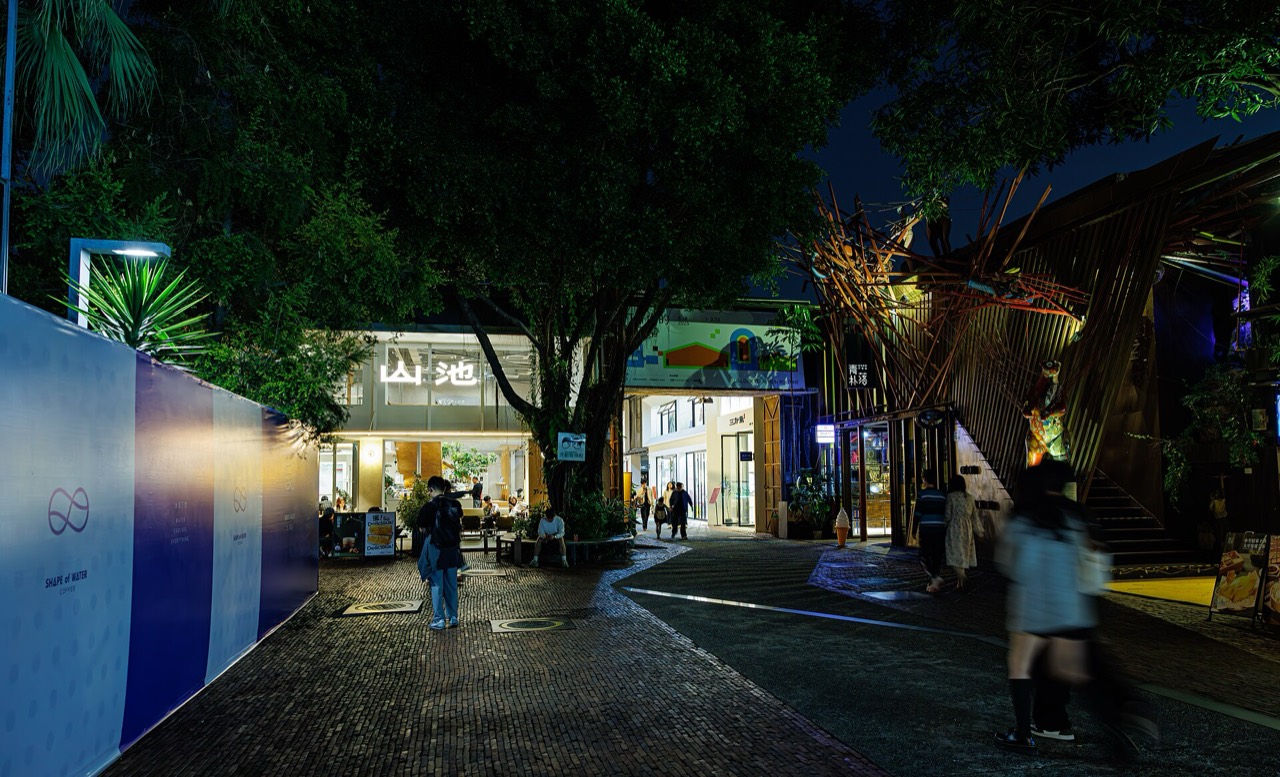
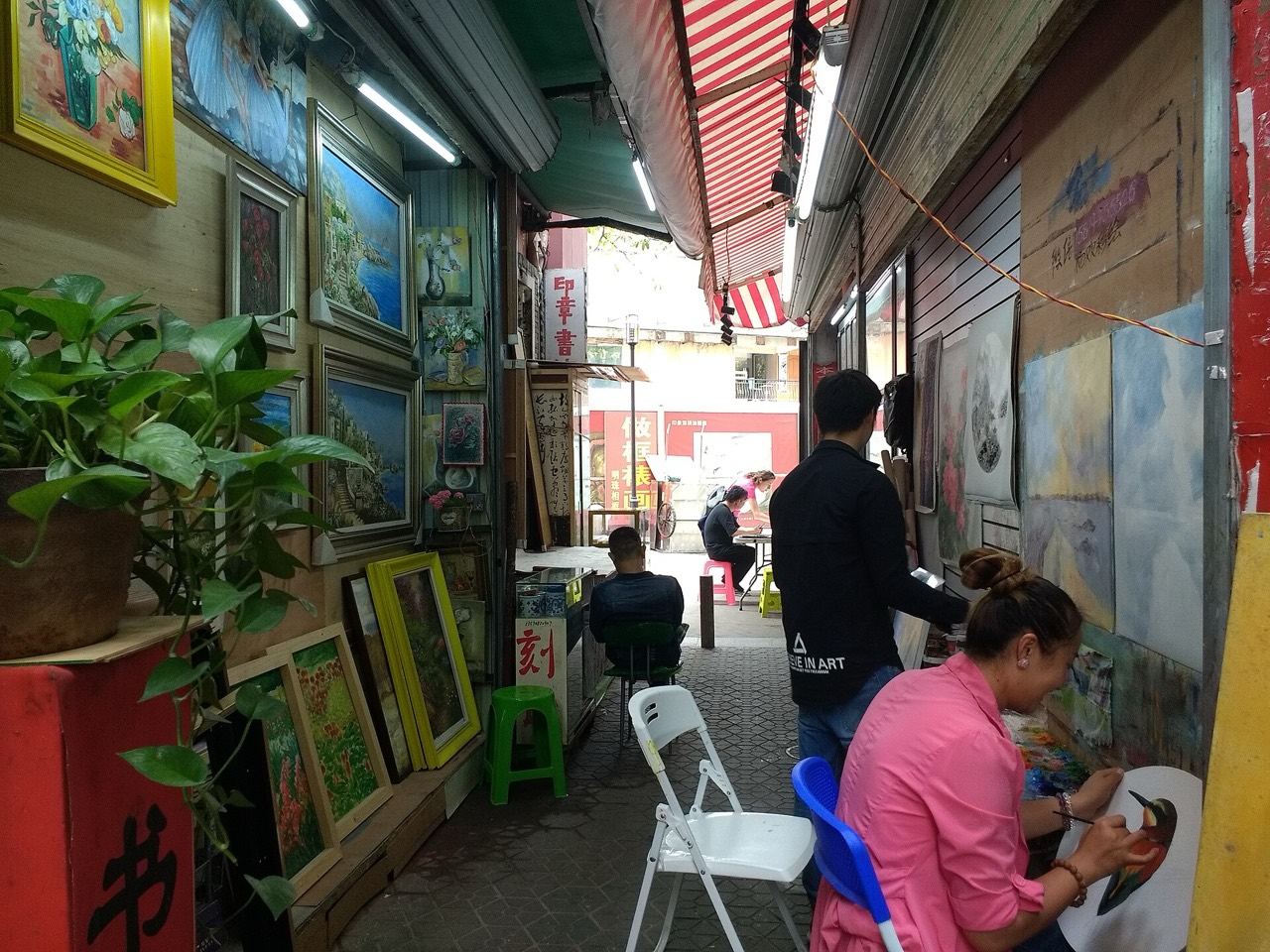
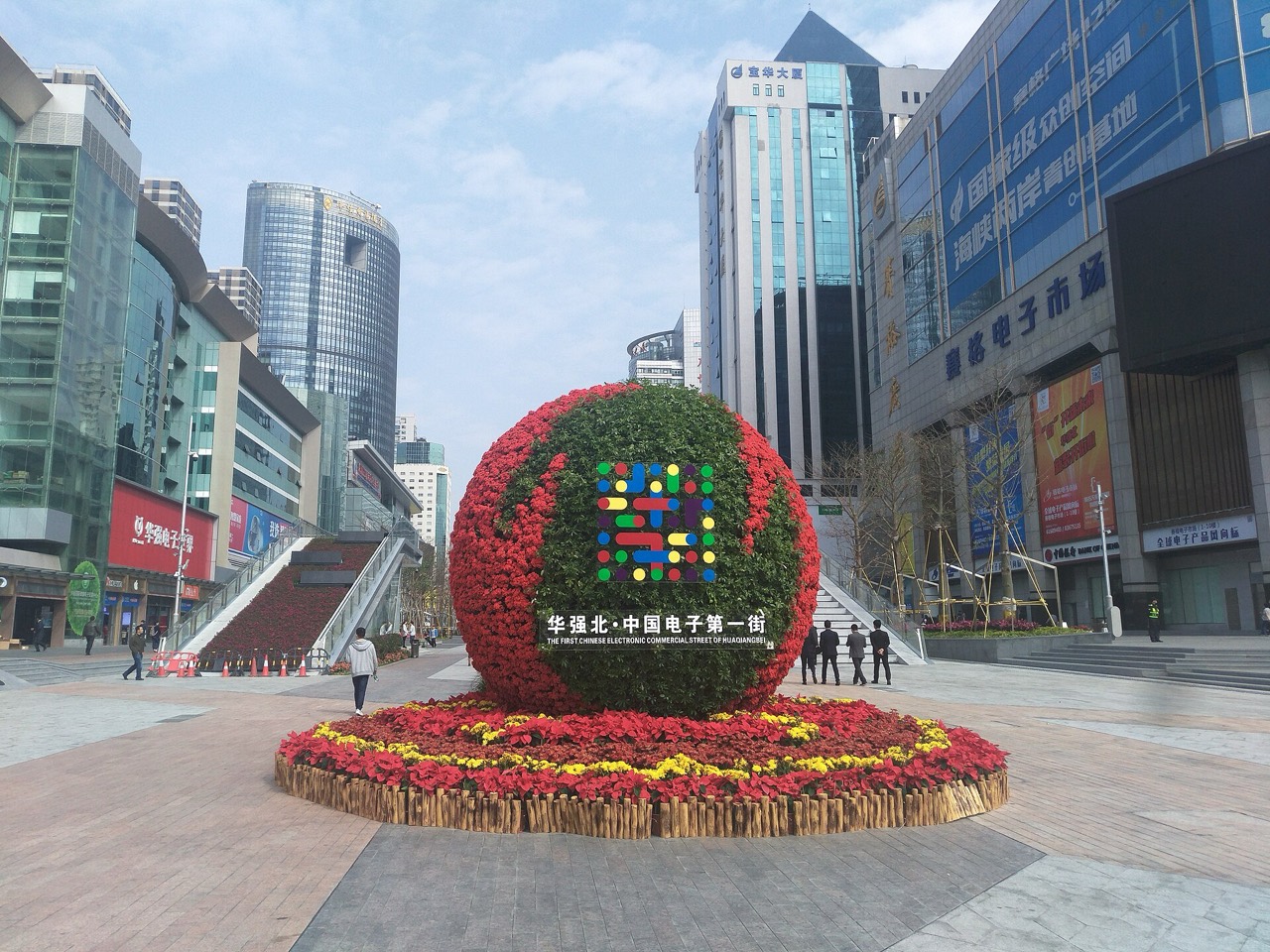
OCT-Loft is the reliable first afternoon: a repurposed factory quarter of galleries, bookshops, coffee and design studios — Shenzhen’s creative class in its natural habitat, and the closest thing to a hip, queer-adjacent daytime hangout. Dafen Oil Painting Village is the strangest hour in Guangdong: the urban village that once painted most of the world’s replica canvases, now full of working studios where you can commission anything (yes, anything). Huaqiangbei is the world’s electronics bazaar — floor after floor of components, gadgets and things that won’t exist anywhere else for a year; go even if you buy nothing. For golden hour, walk or hire a bike along Shenzhen Bay Park and Talent Park — skyline on one side, Hong Kong’s hills across the water — then dinner at Sea World in Shekou if you want Western comfort or craft beer.
Two more, for flavour: Window of the World — the theme park of miniature world landmarks — is peak-Shenzhen kitsch and photographs brilliantly at night from the metro platform even if you never buy a ticket; and the Civic Center axis (that coloured-roof building on every postcard, flanked by the library, concert hall and the nightly light show across the CBD towers at 8pm) is the fifteen-minute architecture fix. Skip the museums unless it rains; Shenzhen’s exhibit is the street.
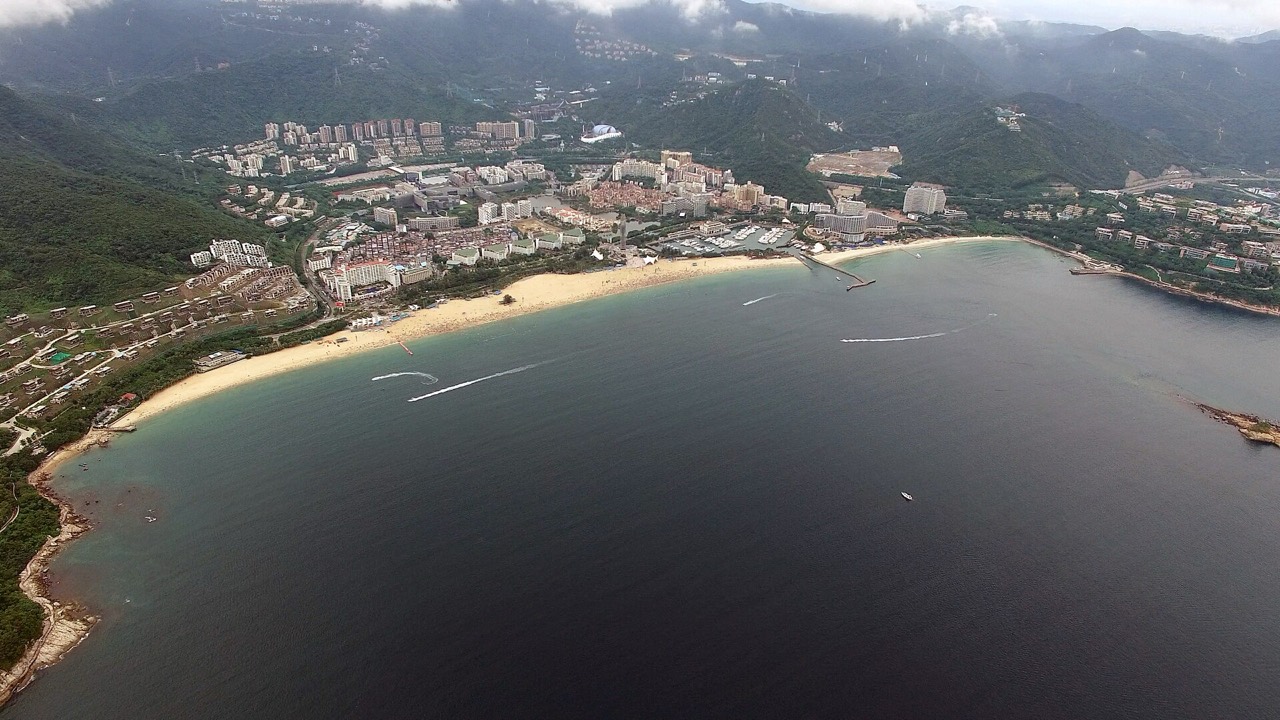
And the beaches: eastern Shenzhen’s Dapeng Peninsula hides the best coastline of any Chinese megacity — Dameisha for the easy, crowded classic, Xichong and Dongchong for the long wild strands worth the extra hour. Summer weekends are heaving; October is perfect. (No, none of them are cruising beaches — behave accordingly.)
Eat like a migrant city eats
Shenzhen’s food superpower is that everyone brought their hometown with them. Do the Cantonese canon — morning yum cha holds its own against Guangzhou’s (our food guide has the dim-sum script), and late-night 肠粉 rice-noodle rolls are the after-club carb of record — then eat the migration: ferocious Hunan xiaochao joints, Chongqing noodle counters, Shaanxi biangbiang, Chaoshan beef hotpot (the region’s pride, and the one meal to book). Rooftop cocktails skew corporate; the fun is at street level.
Day trips
Hong Kong is the headline (under an hour door-to-door, whole other queer scene, mind the visa-re-entry note above — full picture in the Hong Kong guide). Guangzhou is 30–40 minutes by high-speed rail for Canton’s drag stages and yum cha ritual (guide). Dapeng’s beaches fill a lazy day, and the Zhuhai ferry from Shekou (about an hour) opens the Macau back door. Shenzhen’s real trick is being the cheap, well-connected base for all of it — the itinerary guide shows where it slots.
TL;DR: the practical machinery
Getting in: Bao’an airport (SZX, Metro Line 11 to town) for domestic and growing international; or fly into Hong Kong and cross — often the cheapest route into China. Visa-free entry covers many passports for 30 days and the 240-hour transit covers most others — but check the Hong Kong re-entry wrinkle before planning border hops. Money & phone: Alipay/WeChat Pay set up before you fly (guide); a travel eSIM for the firewall; the blocked-apps list for expectations. Getting around: one of the world’s biggest metros, English-signed, plus all-night Didi. Safety: among the safest big cities anywhere at any hour; the risks are sunburn and Meituan over-ordering. Budgets in what a gay China trip costs — Shenzhen runs cheaper than its skyline suggests.
The bottom line
Shenzhen is not a gay destination the way Chengdu is, and it doesn’t pretend to be. It’s something more particular: the city where young queer China goes to reinvent itself, with two genuinely fun rooms in Chegongmiao, the densest app grids in the country, beaches nobody expects, and Hong Kong’s entire scene dangling forty minutes away. Treat it as half of a two-city trip and it might end up the half you talk about more. The future gets built here first — that includes the queer one.


