
Hangzhou on its own terms
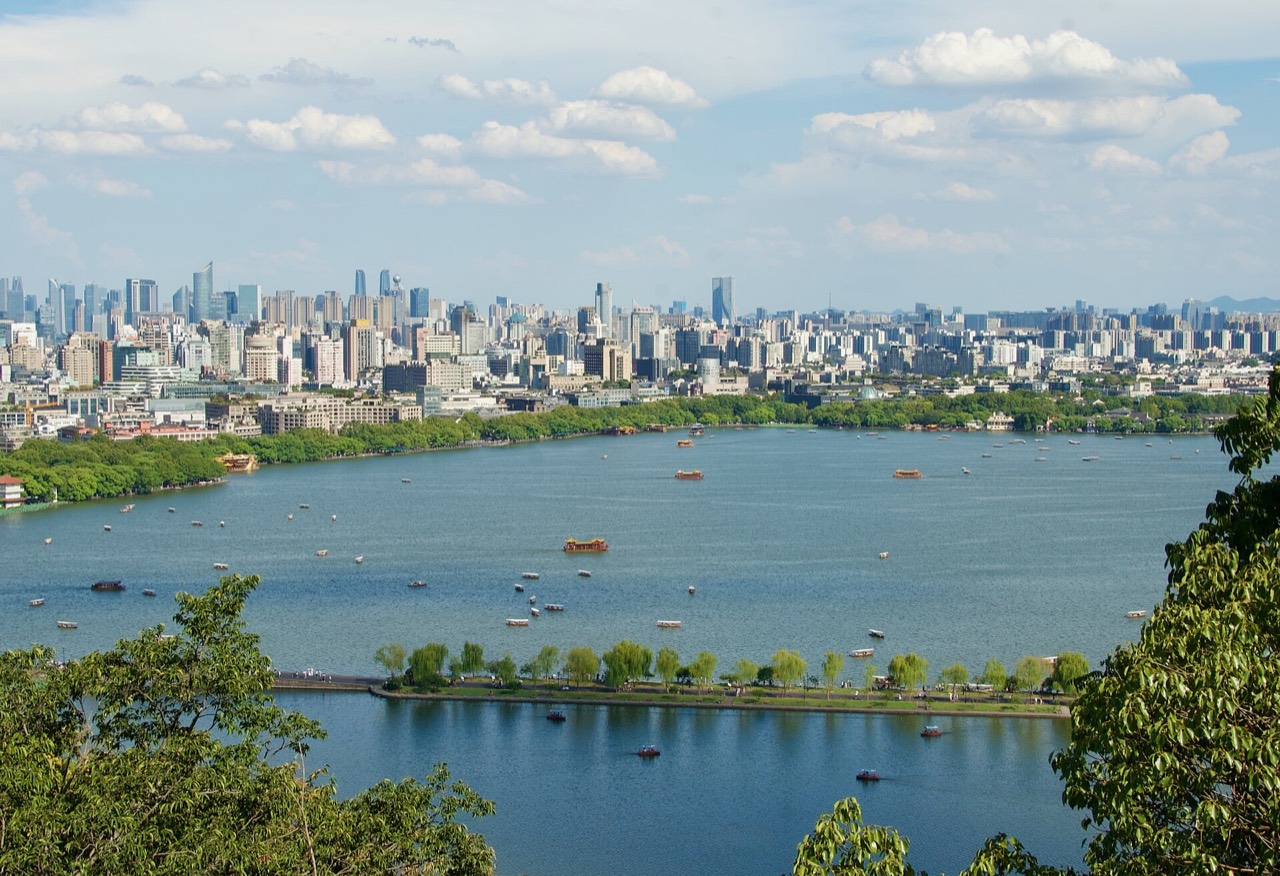
Let’s be straight about what Hangzhou is for, because it will save you a mismatched weekend: this is not a nightlife city. It is the most beautiful city in eastern China — a UNESCO-listed lake wrapped in tea hills, mist and thirteen centuries of poetry, forty-five minutes from Shanghai by bullet train — and its gay scene is small, quiet and lived almost entirely on the apps. Marco Polo allegedly called it the finest city in the world; he did not mention the drag calendar, and neither, honestly, can we.
And yet Hangzhou earns its place on a queer China itinerary, for two reasons. First, the obvious one: West Lake at 6am, Longjing tea terraces at noon and a canal-side beer at dusk make the single best recovery day in China — the deep breath between big nights in Shanghai and wherever you’re flying next. Second, the quieter one: this is one of China’s richest, youngest, most educated cities (Alibaba grew up here), and that shows up as an easy, unbothered social temperature. Nobody blinks at two men sharing a lakeside table, a tandem bike or a hotel bed. The scene is thin; the welcome isn’t.
This guide is honest about that split: a short, truthful section on the scene, then the full playbook for the city itself — checked against Chinese platforms and current listings as of July 2026. The short version with the map lives on our Hangzhou hub.
Being gay in Hangzhou: the questions everyone asks
Is Hangzhou gay-friendly?
Friendly, yes; visible, no. Hangzhou sits at the relaxed end of the mainland spectrum — young, wealthy, cosmopolitan, and far more interested in your ability to queue for tea-picking photos than in who you’re travelling with. There’s no gaybourhood and no rainbow anything, but there’s also none of the friction that would make discretion feel heavy. The mainland rules from our safety explainer apply unchanged: discretion outside, freedom inside — it’s just that in Hangzhou, “inside” usually means a WeChat group rather than a club.
Is there actually a gay bar?
One name has outlasted every other listing: Jundu (君度), near Baochu Road on the north-east side of West Lake — a karaoke-into-disco room that has been the city’s gay fixture for well over a decade, with karaoke early, dancing from about 10pm and small shows at weekends. It still carries a live phone number and current directory listings, but this is exactly the kind of venue that changes shape between our visits, so treat it the Hangzhou way: confirm on Blued before you cross town, and have a lakeside cocktail bar as plan B. Every other gay venue you’ll find in old English-language write-ups — and the lesbian bars of 2010s listings — we could not verify as operating in 2026, so we won’t send you to them.
So how do people actually meet?
Apps, full stop — and they work well here. Blued grids are dense (this is a university city of twelve million with a tech-money core), responses are friendly, and the local move is a quick migration to WeChat and then an invitation to something wonderfully Hangzhou: lake walks, tea in the hills, board-game cafés, a table at a livehouse. Grindr and the Western apps need a travel eSIM to route around the firewall, and our apps guide covers the rest. Honest calibration: profiles here skew discreet even by mainland standards — faceless grids are normal, patience is rewarded, and our meeting-locals guide has the etiquette.
Is Hangzhou worth it if I only care about nightlife?
No — and we’d rather tell you that than waste your weekend. If your trip is measured in dance floors, give Hangzhou’s nights to Shanghai (45–60 minutes by high-speed rail, trains until mid-evening, ~¥73–110) and Hangzhou’s daylight to the lake. The smart itinerary treats them as one city with a very long taxi ride: big Friday and Saturday in Shanghai, then decompress here Sunday to Tuesday. Our two-week route does exactly this.
Are there queer events?
Nothing public or recurring that we can verify — no Pride, no listed party brands. What exists is genuinely underground: app-organised meet-ups, the occasional themed night that surfaces on WeChat days ahead, and university-adjacent socials that visitors rarely see. Treat Blued as the noticeboard and expect the answer to “what’s on this weekend?” to be “a walk around the lake, then drinks” — which, in fairness, is the correct Hangzhou answer.
Saunas?
We can’t confirm a single operating gay sauna in Hangzhou in 2026, and the ghosts in old directories stayed ghosts when we checked. The wellness itch has a very good mainstream answer here instead — hot-spring and spa hotels around the lake and tea hills — and the regional saunas guide covers the cities where the real thing exists. First-timer rituals: bathhouse etiquette guide.
The Butterfly Lovers: Hangzhou’s queerest legend
One cultural stop belongs in this guide specifically. China’s most famous love story — the Butterfly Lovers (梁祝), the “Chinese Romeo and Juliet” — is a Hangzhou story, and it is queerer than its billing. Zhu Yingtai disguises herself as a man to study at Hangzhou’s Wansong Academy (万松书院); Liang Shanbo, her classmate and roommate of three years, falls for the “brother” he studies beside, grasping the truth only when it’s too late. A millennium of operas, a violin concerto and several very camp film adaptations later, the tale of love that ignores the categories it was handed still reads differently to a queer visitor — generations of Chinese readers have quietly noticed the same thing.
The academy is real and lovely: rebuilt Ming-style halls in the woods of Wushan hill above Qinghefang, twenty minutes’ walk from the lake’s south-east corner, with the two lovers’ statues by the gate. The modern twist writes its own commentary — at weekends the courtyard hosts one of Hangzhou’s best-known parents’ matchmaking corners, umbrella CVs and all, in the exact place where China’s great legend of defying arranged categories is set. Go on a Saturday and hold both thoughts at once; it’s the most quietly poignant hour in the city.
The lie of the land
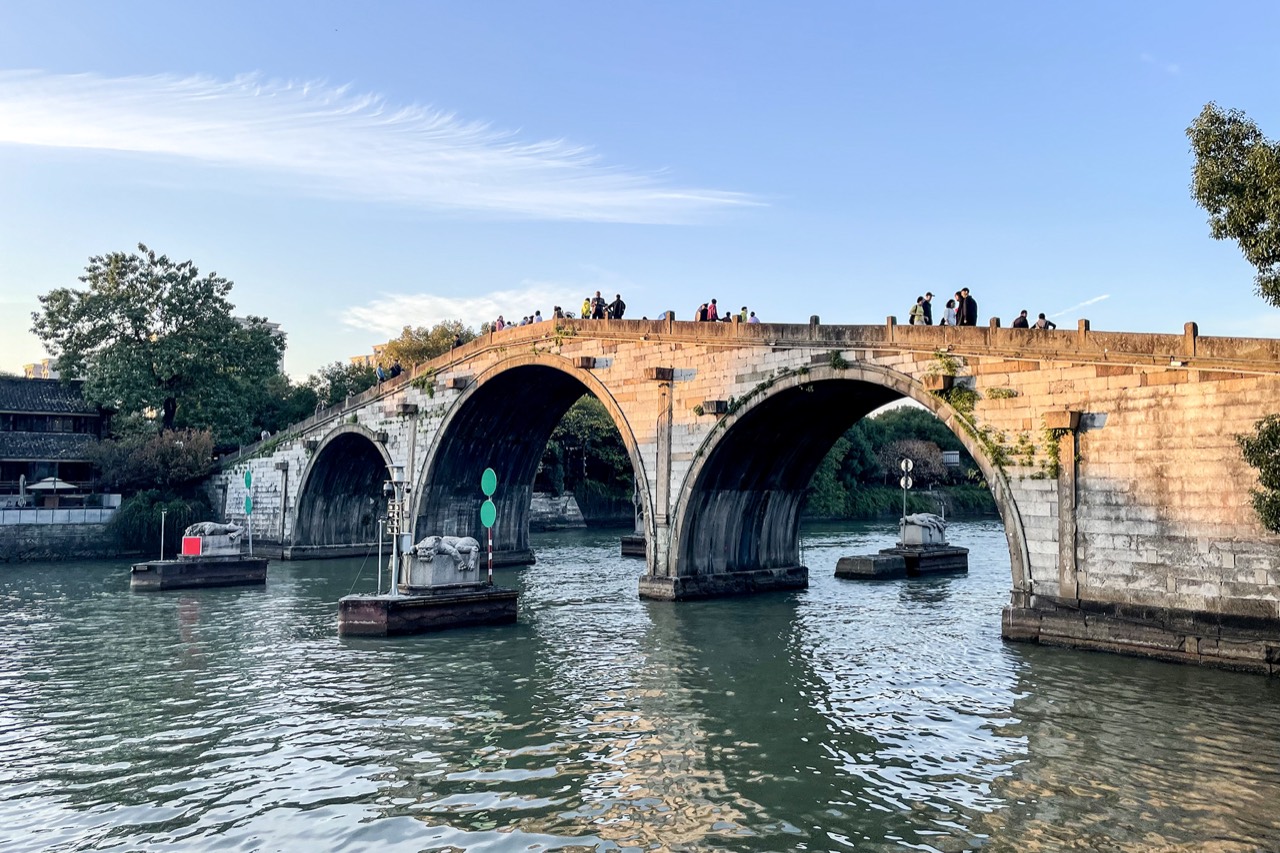
Everything a visitor needs sits in a tight arc around the lake’s north and east shores. West Lake (西湖) itself is the centre of gravity — the east shore is city-side (metro, shopping, most hotels), the west shore is hills and tea. Wulin Square / Huanglong to the north-east is downtown proper, and Jundu sits on its lakeward edge near Baochu Road. Qinghefang (清河坊), the restored old street at the lake’s south-east corner, rolls into the Southern Song imperial-street museums. The Grand Canal (大运河) quarter around Gongchen Bridge, fifteen minutes north by metro, is the local-evening antidote to lake crowds. And Binjiang, the tech district across the river, is where the money lives — you’ll pass through for exactly one reason (the riverside light show) or none. Metro lines 1 and 19 stitch it all together; Didi fills the gaps.
The night-out playbook (adjusted for Hangzhou)
Recalibrate the evening. A good Hangzhou night runs teahouse-paced: dinner around 6:30, the lake or canal at dusk, drinks from 9. If Jundu is your plan, remember the rhythm — karaoke early, the room only turns into a dance floor after 10pm, weekends only for shows — and confirm it’s open on Blued that afternoon rather than trusting any listing, ours included.
Know the plan-B rooms. Hangzhou’s general nightlife is genuinely good even where it isn’t gay: the cocktail bars along Baishaquan / Shuguang Road near Huanglong (a short walk from Jundu’s corner, usefully), the canal-side craft-beer bars at Gongchen Bridge, and livehouses like MAO and 66 for gigs with a young, unbothered crowd. None of these are queer venues; all of them are comfortable for a same-sex table, and the China nightlife etiquette guide covers the shared mechanics — Meituan vouchers, toasting, splitting nothing.
KTV is the social technology. If locals from the apps invite you anywhere, it will probably be a private karaoke room — Hangzhou’s real gay bar is a rented KTV suite with milk tea and a fruit plate. Say yes. Bring one Mandarin ballad you can survive and one English crowd-pleaser; the room will handle the rest.
Getting home is trivial. Metro runs to ~11pm; Didi is cheap, sober and everywhere after. The lake path at midnight is safe to the point of serenity — the biggest hazard in this city’s nightlife is agreeing to a 5:45am sunrise walk while holding your fourth beer.
The West Lake playbook
Go at sunrise, or go twice. Between 5:30 and 7:30am the lake belongs to tai-chi grandmothers, swimmers and you; by 10am on any weekend it belongs to tour groups with flags. Start at Broken Bridge (断桥) and walk the Bai Causeway to Solitary Hill while the mist is still doing its ink-painting act, coffee on Beishan Road after. Come back for golden hour on the west shore — Yanggong Causeway is the quiet one — when Leifeng Pagoda lights up against the sunset.
Do one loop properly. The full lake circuit is about 10–12km of continuous postcard: rent a public bike or a shared bike (Alipay unlocks both), allow a lazy three hours, and detour into Maojiabu village on the west side for lunch by the water. The boat to the mid-lake islands (~¥70 with Three Pools Mirroring the Moon — yes, the scene on the ¥1 note) is worth it once, ideally late afternoon.
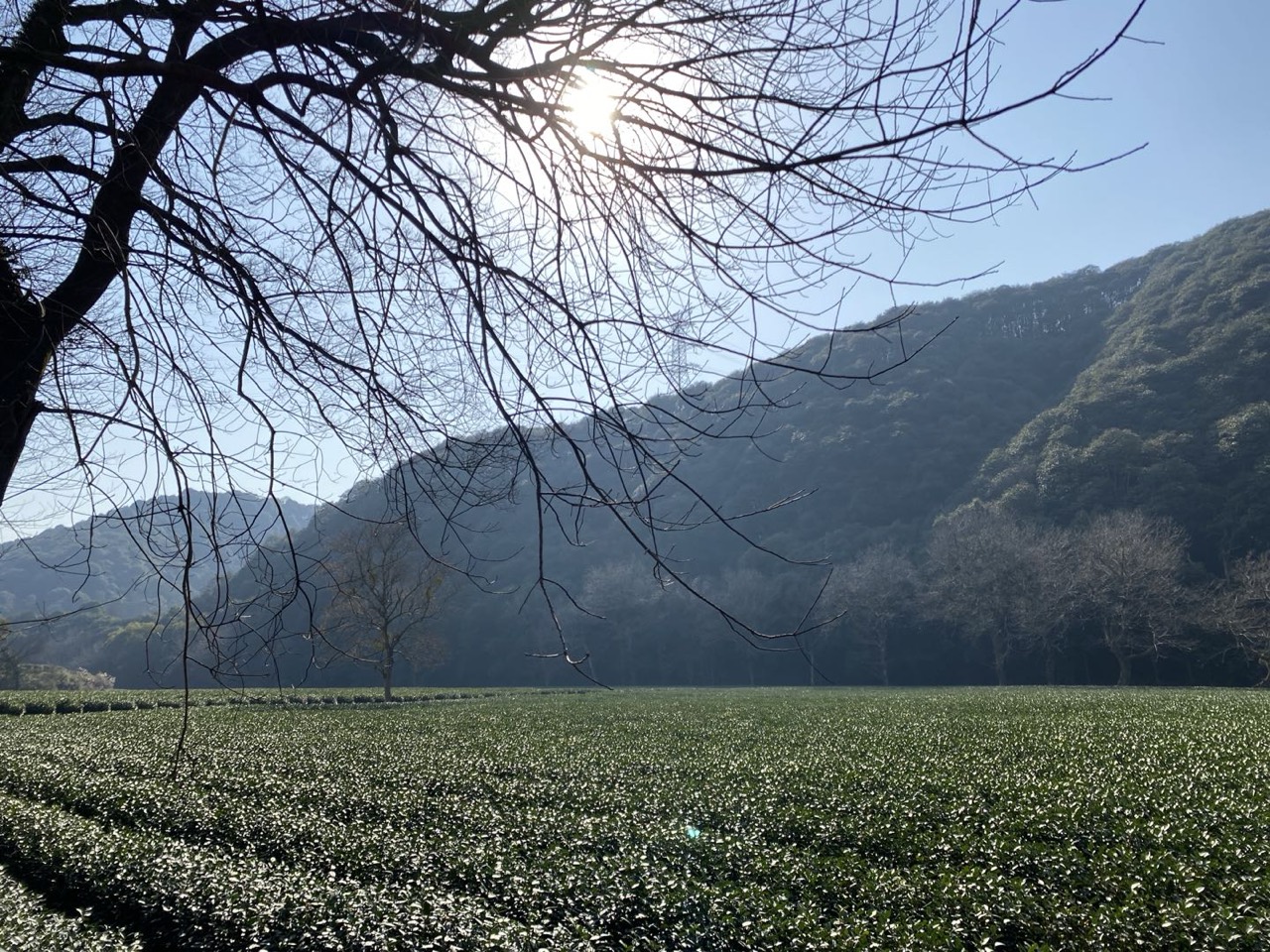
Get into the tea hills. Twenty minutes west of the lake, Longjing village (龙井村) and Meijiawu (梅家坞) are working tea villages where the season’s Dragon Well is picked (late March–April is picking season and the hills’ best look). Do it the local way: pick a farmhouse teahouse, pay ¥50–100 for a glass of the real thing and unlimited refills, and lose two hours to the view. The walking trail from Longjing over the ridge to Nine Creeks (九溪十八涧) and down to the river is the single best half-day on foot in eastern China — shaded, creek-crossed and mostly tourist-free on weekdays.
Lingyin & the carved cliffs. Lingyin Temple (灵隐寺) is one of Buddhism’s great living monasteries; the underrated half is the Feilaifeng grottoes facing it — hundreds of carved Buddhas from the 10th–14th centuries in a shaded limestone gorge. Go early (gates ~7am), budget half a day with the tea hills next door.
Evenings, choose your water. Option one: Impression West Lake, the Zhang Yimou-directed show performed on the lake with the hills as backdrop — touristy, spectacular, book a day ahead. Option two, the local one: metro to Gongchen Bridge and drink your way gently along the Grand Canal — craft-beer bars and teahouses in restored warehouses, the arched Ming bridge lit above black water, and the boat-bus back south if you time it. Option three: Qinghefang after dark for street snacks and pharmacy-museum window-shopping — kitsch, but good kitsch.
Eat like Hangzhou wants you to eat
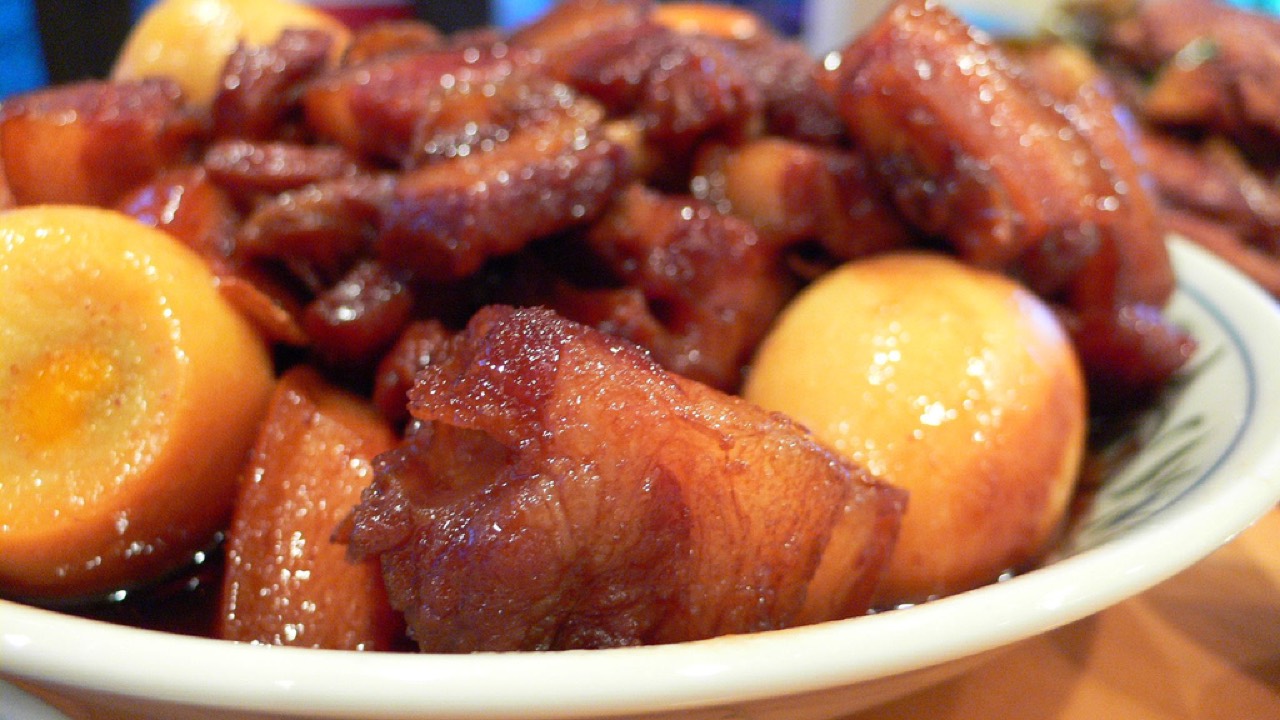
Hangzhou’s food is the gentle, sweet-savoury counterpoint to Sichuan’s fire: dongpo pork (东坡肉), the lacquered square of slow-braised belly named for the Song-dynasty poet-governor who allegedly invented it while exiled here; West Lake vinegar fish (西湖醋鱼), sharper and stranger and worth one try; Longjing shrimp (龙井虾仁), river shrimp stir-fried with the new season’s tea leaves; beggar’s chicken (叫花鸡) baked in lotus leaf and clay; and bowls of pian’er chuan noodles (片儿川) — pickled greens, pork, bamboo — which is what Hangzhou actually eats on a Tuesday. The famous house for the classics is Lou Wai Lou (楼外楼) on Solitary Hill, trading since 1848 and touristy but genuinely good at the greatest hits; the cheap thrill is a congyoubing (scallion pancake) from a Qinghefang window. Deeper menu strategy: our food guide.
Where to stay
Book by shore. The east shore / Longxiangqiao area puts the metro, shopping and lake all within a ten-minute walk and suits first-timers; Beishan Road on the north shore is heritage-villa territory — plane trees, 1930s stone houses, the lake across the road — and the most romantic address in eastern China; the tea-hill boutiques around Longjing, Manjuelong and Siziwen village trade convenience for waking up inside a postcard, at every price from hostel-chic to Aman (Amanfayun, by Lingyin, is the celebrity-hideout splurge). Same-sex couples booking one bed is a non-issue everywhere; Trip.com reads Chinese inventory best, and the full ranked list is in our Hangzhou hotels guide.
Day trips: water towns, bamboo and the fast train out
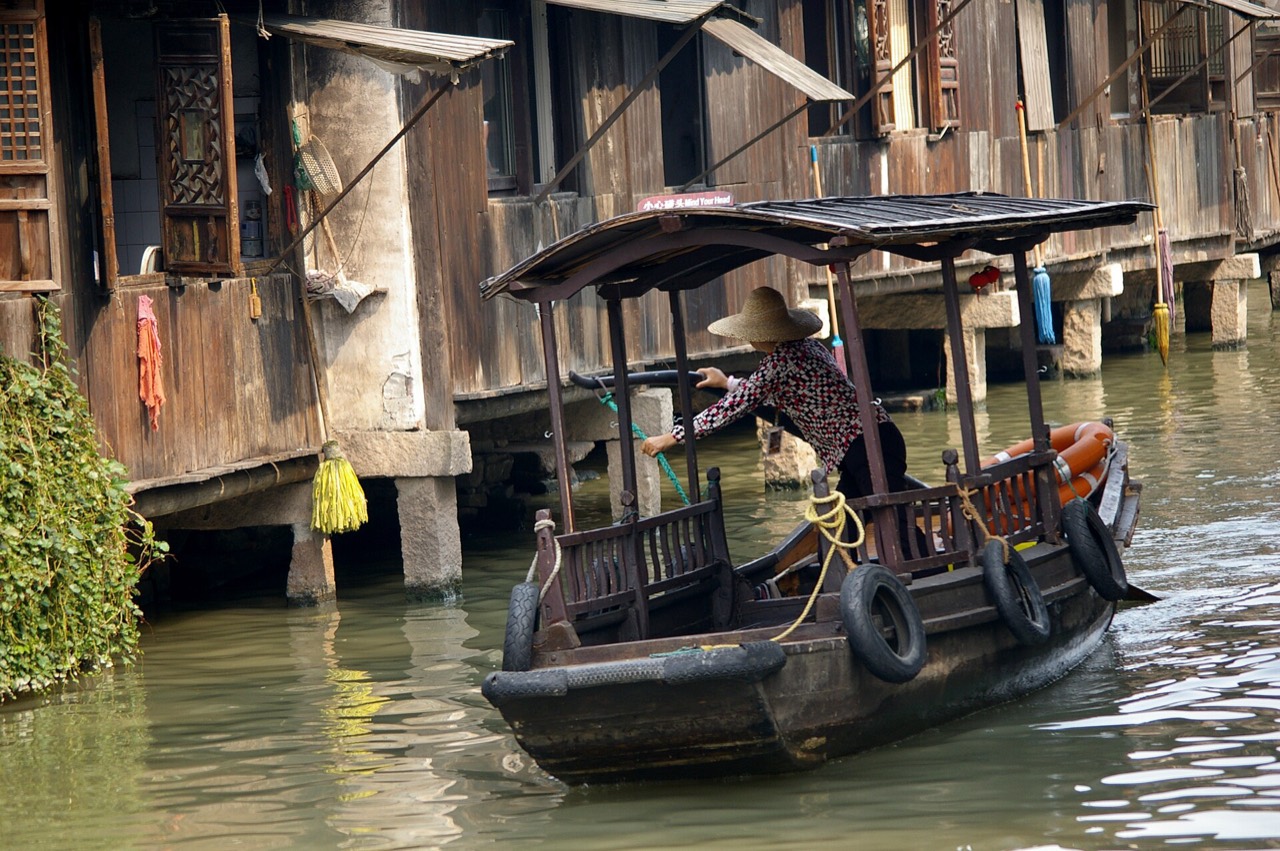
Wuzhen (乌镇) is the canal-town of the posters — stone bridges, indigo-dye workshops, lantern-lit water at night — about 80–90 minutes by bus or car; if you can, stay one night in the West Scenic Zone and have the alleys to yourself after 5pm (the day crowd is real). Xitang is the scrappier, cheaper alternative. Moganshan (莫干山), ninety minutes north-west, is bamboo-forest hill country dotted with restored villas and design B&Bs — the Shanghai queer-creative crowd’s weekend secret since the 2010s, and the right call if your idea of a day trip is a pool among the bamboo. And Shanghai itself is the anytime option: 45–60 minutes from Hangzhou East, which is exactly why this city works best as the calm half of a Shanghai double-bill. More escapes: day-trips guide.
TL;DR: the practical machinery
When to come
Late March–April is the jackpot: tea-picking season, blossom on the causeways, mild air. October–November runs it close (osmanthus season scents the whole city). Summer is hot, humid and thundery; the lake is still lovely at dawn. Hard avoids: Golden Week and summer weekends, when West Lake hosts some of the densest crowds in China — our Golden Week guide explains, and best-time guide has the full calendar.
Getting in and around
Most visitors arrive by rail at Hangzhou East (杭州东) — one of Asia’s biggest stations, on Metro lines 1/4 — from Shanghai (45–60min) or on the scenic HSR down from Huangshan. Xiaoshan airport (HGH) has its own metro line and growing international routes, plus the 240-hour visa-free transit applies here (check your passport). In town: metro + shared bikes + Didi; the lake shores are walking-and-cycling territory (cars are restricted on summer weekends). First-night mechanics: your first 24 hours.
Money, phone, safety
Standard mainland kit, covered once and well in our guides: Alipay/WeChat Pay set-up before you fly (Hangzhou is Alipay’s hometown and functionally cashless), a travel eSIM for the firewall, the what’s-blocked list for expectations. Safety is a non-issue beyond sunburn and lake-path e-bikes; LGBTQ+ texture in the safety explainer, emergencies in the emergency guide (police 110, ambulance 120). Costs run below Shanghai for hotels and food — line items in what a gay China trip costs.
The bottom line
Hangzhou is not where queer China parties; it’s where queer China exhales. Come off a big Shanghai weekend, ride the causeways at dawn, drink the year’s first Longjing in a farmhouse above the lake, let a stranger from the apps walk you along the canal at dusk — and if Jundu’s lights are on, finish with karaoke among locals who will absolutely make you sing. 上有天堂,下有苏杭, the saying goes — above there is heaven, below there are Suzhou and Hangzhou. For once, the tourist board slogan is doing honest work.


